 Stefani Rindus
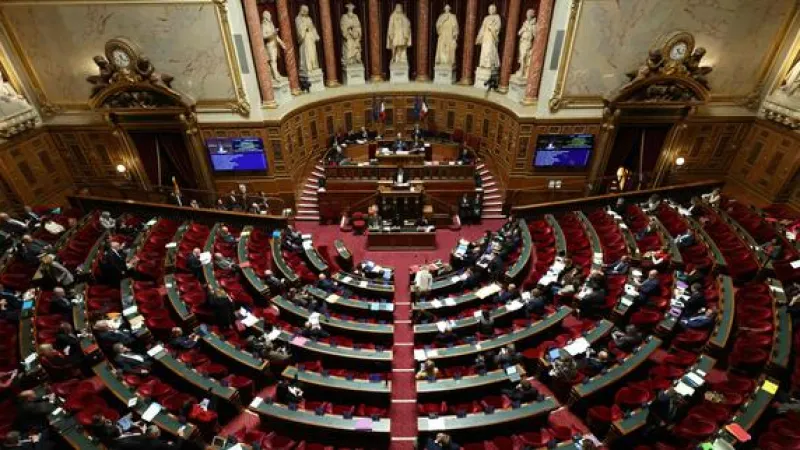
Paris – The French Senate, acting overnight from Monday, June 1, to Tuesday, June 2, 2026, approved a comprehensive bill designed to regulate private higher education institutions across the nation. This significant legislative measure seeks to grant specific benefits to private establishments willing to undergo state evaluation and secure official accreditation, a provision that has drawn sharp criticism from the Left, which argues it will detrimentally impact public universities.
The newly adopted text outlines a framework where private institutions must meet rigorous standards to gain an agrément from the French state. This official recognition is not merely symbolic; it is intended to unlock a range of advantages, from enhanced visibility and credibility to potential access to certain public funding mechanisms or student aid eligibility.
Opposition lawmakers contend that this policy could exacerbate existing disparities within the French higher education landscape. They express concern that by incentivizing private institutions with state benefits, resources and attention might inadvertently be diverted from the historically robust, but often underfunded, public university system. The Left sees this as a philosophical shift away from universal, equitable access to quality education.
Proponents of the bill, largely from the governing majority, argue that the legislation is a vital step toward ensuring quality control and transparency across the entire higher education sector. With the increasing proliferation of private colleges and specialized schools, regulating their standards is presented as essential to protect students and maintain France's reputation for academic excellence.
The regulatory push comes amid a period of active legislative engagement with the nation's educational framework. The Senate's move parallels other recent parliamentary efforts concerning the quality and safety of learning environments, underscoring an ongoing focus on educational reform across all levels. For instance, the French Assembly passed a School Safety Bill in recent years, highlighting the legislature's broad engagement with educational policy.
The accreditation process, as envisioned by the bill, would likely involve thorough audits of academic programs, faculty qualifications, student support services, and financial stability. Only those private entities demonstrating adherence to predefined criteria would qualify for the state label and its associated perks, aiming to professionalize the sector.
Critics also point to the potential for a two-tiered system where accredited private schools, with their newly gained advantages, might draw away talented students and faculty from public universities, which often operate with stricter budgetary constraints. This could inadvertently create a less diverse and less competitive public sector.
However, supporters maintain that the bill will encourage a healthy competition that ultimately benefits all students by raising overall educational standards. They suggest that well-regulated private institutions can complement the public system, offering specialized programs and innovative pedagogical approaches that meet evolving market demands.
The implementation of this law could significantly reshape how students choose their educational paths in France. The allure of a state-accredited private degree, coupled with potential financial incentives, might influence enrollment patterns and investment strategies across the sector.
This legislative focus on educational standards arrives as French institutions continue to grapple with broader challenges, including concerns over French language skills decline and baccalaureate standards, making quality assurance a recurring theme in national discourse.
Following its adoption by the Senate, the bill will now proceed to the National Assembly for further debate and potential amendments before it can be enacted into law. Its ultimate form and long-term impact on the balance between public and private education remain subjects of considerable national interest and ongoing discussion.
As the nation navigates these reforms, the underlying tension between state support for private initiatives and the traditional commitment to robust public services continues to animate political debate, especially concerning such a fundamental pillar as higher education.