 Angel Doris
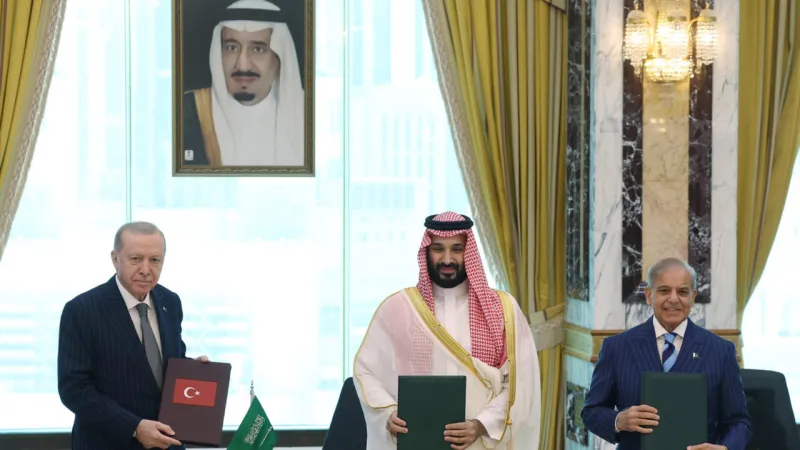
JEDDAH - Turkey, Saudi Arabia, and Pakistan officially cemented a comprehensive defense pact in Jeddah, Saudi Arabia, uniting the three nations under a collective security umbrella. The agreement, signed by Turkish President Recep Tayyip Erdogan, Saudi Crown Prince Mohammed bin Salman, and Pakistani Prime Minister Shehbaz Sharif, establishes a framework for mutual defense, echoing the North Atlantic Treaty Organization Article 5 principle where “an attack on one state is an attack on all.” This significant geopolitical development has already drawn criticism from regional rival Iran, which dismissed the accord as a “paper agreement.”
The tripartite alliance signals a strategic realignment in the broader Middle East and South Asian regions, potentially reshaping existing power dynamics. For more background on this significant development, see our earlier report: Turkey, Saudi Arabia, Pakistan Seal Landmark Defense Alliance. The pact aims to bolster military cooperation, intelligence sharing, and joint defense capabilities among the signatory nations, which possess substantial military forces and strategic geopolitical importance.
Central to the newly forged alliance is the commitment to collective defense. Sources close to the negotiations indicate that the pact contains provisions mirroring NATO's Article 5, a cornerstone of Western security architecture. This stipulation mandates that an armed attack against one member shall be considered an attack against all, requiring immediate assistance from other members.
The signing ceremony took place in the port city of Jeddah, a crucial economic hub in Saudi Arabia, underscoring the strategic weight of the agreement. The presence of all three national leaders — President Erdogan, Crown Prince Mohammed bin Salman, and Prime Minister Sharif — highlighted the high-level commitment to this ambitious security initiative.
This defense pact emerges at a time of heightened regional tensions and shifting alliances, particularly with ongoing geopolitical challenges in the Middle East. It represents a proactive measure by these nations to secure their interests and enhance regional stability through a united front.
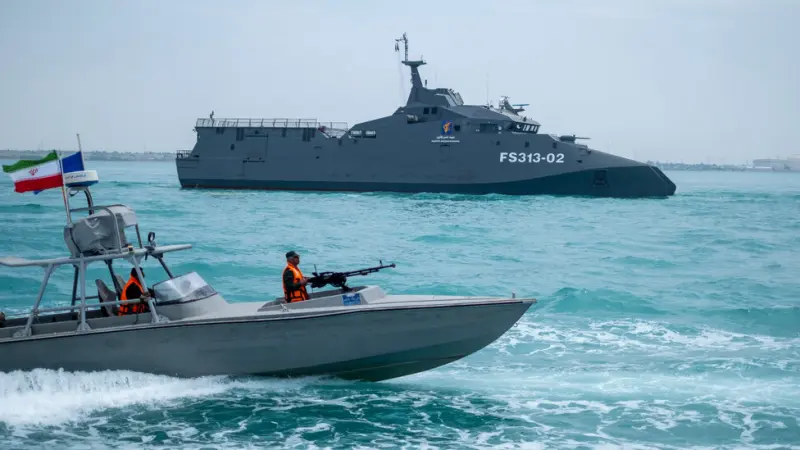
Immediately following the announcement, Iran expressed its skepticism, with official state media outlets quoting unidentified sources describing the pact as a “paper agreement” of little practical consequence. This dismissive stance underscores the deep-seated regional rivalries and the potential for increased friction stemming from new security arrangements.
While the specifics of the pact remain under wraps, its invocation of a NATO-like collective defense mechanism suggests a move beyond traditional bilateral defense agreements. It could be seen as an attempt to create a powerful regional bloc capable of addressing common security threats, whether from state actors or non-state entities.
Collectively, Turkey, Saudi Arabia, and Pakistan command formidable military assets. Turkey boasts a large, modern military with significant defense industry capabilities. Saudi Arabia has invested heavily in advanced weaponry and defense systems, while Pakistan possesses a nuclear arsenal and experienced armed forces. This combination of strengths presents a substantial collective deterrent.
Beyond military cooperation, analysts suggest the pact could foster deeper economic and diplomatic ties among the three nations. Increased trade, investment, and coordinated foreign policy positions could further solidify their influence on the global stage, aligning their strategic objectives across various domains.
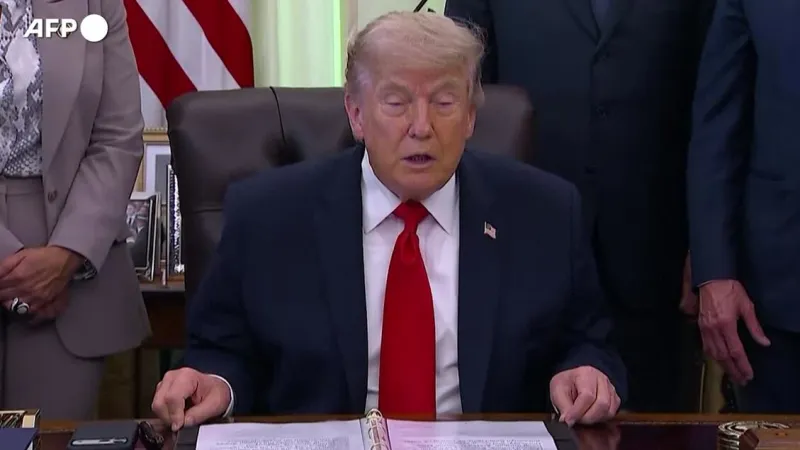
The United States, under President Donald Trump's administration, has historically engaged closely with all three nations, albeit with varying degrees of complexity. Washington will likely scrutinize the implications of this new alliance, particularly how it aligns with American strategic interests in counterterrorism, regional stability, and global power balance.
Despite the ambitious nature of the pact, challenges loom. Differences in political systems, strategic priorities, and historical contexts among Turkey, Saudi Arabia, and Pakistan could test the alliance's cohesion over time. Observers will be watching to see how effectively the nations translate their collective defense rhetoric into concrete operational realities.
This development bears resemblance to other security alliances formed or proposed in various parts of the world, each tailored to specific regional threats and geopolitical ambitions. The success of this new alliance will depend on its ability to navigate complex regional dynamics and present a unified front against perceived adversaries.
The formation of this defense pact marks a pivotal moment for Turkey, Saudi Arabia, and Pakistan. Its long-term impact on regional security and international relations will unfold as the alliance moves from signatory declarations to practical implementation, inevitably drawing further scrutiny from global powers and regional rivals alike.