 Demian Sahputra
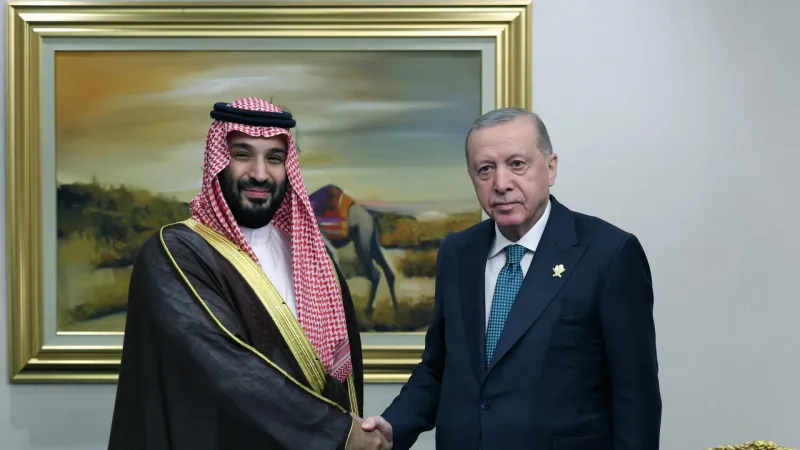
Jeddah, Saudi Arabia – Turkey, Saudi Arabia, and Pakistan formalized a significant trilateral defense pact here today, signaling a deepened commitment to regional security and strategic cooperation among the three influential nations. The landmark agreement, signed by Turkish President Recep Tayyip Erdogan, Saudi Crown Prince Mohammed bin Salman, and Pakistani Prime Minister Shehbaz Sharif, aims to bolster military collaboration, intelligence sharing, and defense industry partnerships across their respective regions.
The pact emerges amid a complex global security landscape, reflecting a growing imperative for nations to forge stronger alliances to address shared threats. Leaders emphasized the importance of self-reliance and collective security in navigating regional instabilities and evolving geopolitical dynamics.
Turkish President Erdogan has consistently championed a more independent and assertive foreign policy for Turkey, seeking to expand its strategic footprint beyond traditional Western alliances. This agreement aligns with his vision of fostering stronger ties with key partners in the Middle East and South Asia, reinforcing Ankara's role as a regional power broker.
Saudi Crown Prince Mohammed bin Salman, spearheading Saudi Arabia's Vision 2030, views the defense pact as crucial for diversifying the kingdom's security partnerships and enhancing its defensive capabilities. The agreement underscores Riyadh's strategic pivot towards strengthening regional cooperation while pursuing ambitious economic and military reforms.
Pakistani Prime Minister Shehbaz Sharif articulated Pakistan's commitment to regional peace and stability, highlighting the pact's potential to strengthen Islamabad's defense posture and foster technological exchange. Pakistan's strategic location positions it as a vital bridge between the Middle East and South Asia, making its participation particularly impactful.
Key areas of cooperation outlined in the agreement include joint military exercises, which will facilitate interoperability and shared tactical understanding among the three armed forces. These drills are expected to enhance readiness and response capabilities for various security challenges.
Intelligence sharing forms another cornerstone of the pact, aimed at counter-terrorism efforts, combating organized crime, and addressing emerging security threats. A coordinated intelligence framework will enable more effective responses to regional security breaches and potential destabilizing factors.
The defense industry component of the alliance envisions collaboration in research and development, co-production of military hardware, and technology transfer. This aspect is crucial for reducing reliance on external suppliers and fostering indigenous defense capabilities within each nation.
Analysts suggest the trilateral defense pact could reconfigure power dynamics in the wider region, potentially eliciting varied reactions from other global and regional players. India and Iran, for instance, will likely monitor the implementation and implications of the agreement closely.
The alliance also represents a concerted effort to create a more integrated defense architecture that prioritizes the collective security interests of the signatory nations. It builds upon existing bilateral ties, elevating them to a new level of formalized strategic cooperation.
While the immediate operational details remain largely undisclosed, the formalization of this defense pact marks a clear statement of intent. It underscores a collective desire for enhanced security cooperation and strategic autonomy among three significant Islamic nations. The path forward will involve intricate planning and sustained diplomatic efforts to translate the agreement into tangible benefits for regional stability and peace.