 Angela Stefani
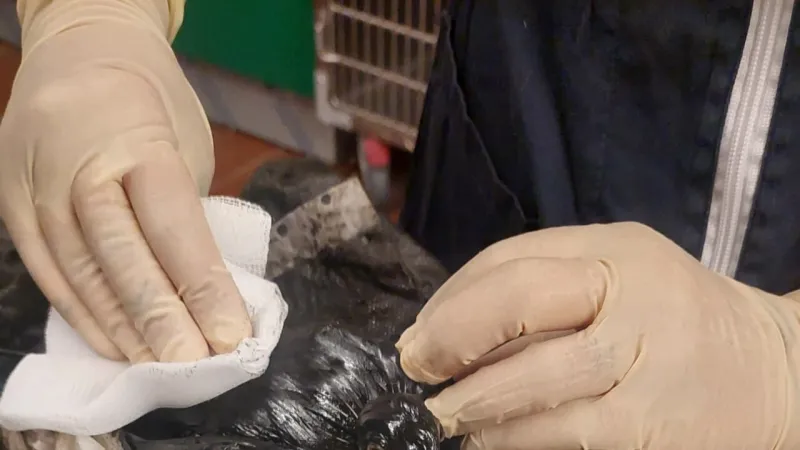
MILAN, Italy — A majestic royal swan, a beloved fixture of the citys historic Naviglio Grande canal, was rescued in critical condition after being found severely contaminated by an unidentified oily substance. Staff from the Italian League for Bird Protection (Lipu) intervened swiftly, stabilizing the imperiled bird amidst growing concerns over urban waterway pollution.
The discovery of the distressed bird, its pristine white feathers matted and darkened by the toxic coating, sent ripples of alarm through local environmental circles and the community. Witnesses reported the swans labored movements and visible discomfort before Lipu was alerted.
Upon arrival, Lipu operatives described a grim scene. "It was covered in that substance, our staff stabilized it," a spokesperson for the organization stated, emphasizing the urgency of the initial response. The immediate focus was on preventing further absorption of the hazardous material and mitigating shock.
The swan, affectionately known by some locals as Lipu after the organization, remains under intensive veterinary care. Its prognosis is guarded, with experts monitoring for internal damage from ingestion or prolonged dermal exposure. The sheer extent of the contamination poses a significant challenge to its recovery.
The Naviglio Grande, a network of canals dating back centuries, is not only a historical landmark but also a vital ecological corridor through urban Milan. It supports a diverse range of wildlife, making this incident a stark reminder of the vulnerabilities faced by nature in metropolitan environments.
While the exact nature of the pollutant is still under investigation, preliminary observations suggest a petroleum-based product or industrial effluent. Such substances pose severe risks to waterfowl, compromising their natural waterproofing, insulating properties, and overall health.
This incident highlights broader issues of environmental stewardship within urban waterways. The presence of such a contaminant raises questions about its source, whether accidental discharge or deliberate dumping, and the efficacy of current monitoring protocols.
The plight of the swan has sparked considerable public outcry and a renewed focus on protecting Milan's green and blue infrastructure. Social media platforms brimmed with messages of support for Lipus efforts and calls for stricter environmental enforcement.
Lipu has historically played a crucial role in safeguarding Italys avian populations and their habitats. Their work extends beyond immediate rescues to advocacy, education, and long-term conservation projects, underscoring their commitment to wildlife welfare.
Authorities are reportedly launching an investigation into the source of the pollution. Identifying and holding responsible those accountable for such environmental damage is paramount to preventing future occurrences and ensuring the integrity of the Naviglio ecosystem.
Urban areas, despite their density, often host thriving ecosystems. This incident serves as a poignant illustration of the delicate balance required to maintain these environments and the constant vigilance necessary to protect their most vulnerable inhabitants.
The long-term recovery of the swan is uncertain, but the efforts symbolize a collective commitment to environmental responsibility. This event will likely prompt discussions on enhanced protective measures for the Naviglios wildlife and improved response strategies for similar crises.