Angela Stefani
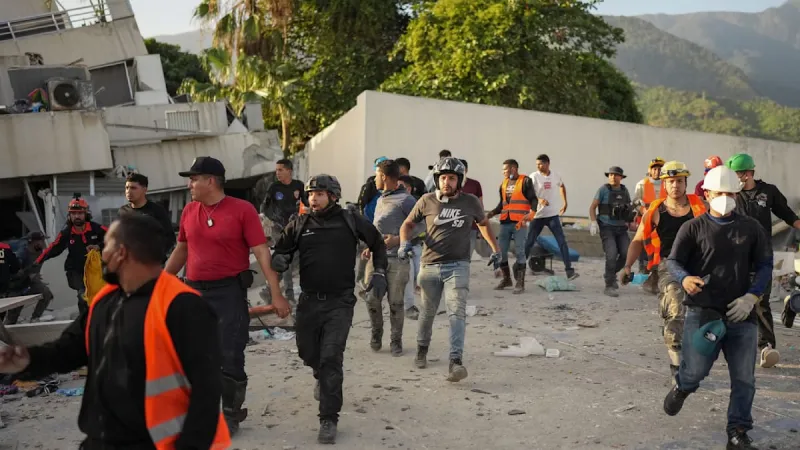
LA GUAIRA, Venezuela — International relief teams are concentrating their efforts on Venezuela's coastal region of La Guaira, diligently searching for survivors in the wake of a powerful earthquake. This critical operation, characterized by a marked improvement in coordination, focuses on systematic house-by-house searches to ensure efficiency and prevent redundant efforts.
The devastating seismic event has prompted an urgent global response, drawing specialized rescue units from various nations. These crews are now immersed in the arduous task of sifting through debris and unstable structures, driven by the hope of locating individuals trapped beneath the rubble.
Volker Pellet, the German Ambassador to Venezuela, underscored the operational effectiveness. “It is significantly better coordinated compared to the Haiti earthquake,” Ambassador Pellet stated, highlighting the lessons learned from previous large-scale natural disasters.
A key strategy in the current Venezuelan relief operation involves the meticulous marking of properties that have already undergone initial searches. This systematic approach is designed to prevent duplicate work, optimize the deployment of scarce resources, and accelerate the overall search process.
This level of organized response is crucial when dealing with the widespread destruction typical of major earthquakes. Ensuring that every affected area receives appropriate attention without wasting valuable time and energy on previously cleared sites is paramount for maximizing the chances of survival for those still missing.
Teams are utilizing advanced technologies, including specialized listening devices and search dogs, to detect any signs of life. The environment presents significant challenges, with collapsed buildings and unstable ground complicating access to potential survivor locations.
The focus on the La Guaira coastal region stems from the severity of damage reported there, with numerous structures compromised and a higher concentration of inhabitants affected by the initial tremor and subsequent aftershocks. Access to this particular area has been prioritized by authorities and international partners.
Beyond immediate rescue, the coordinated approach also bodes well for the subsequent phases of humanitarian aid, including providing medical assistance, shelter, and food to the thousands displaced or injured by the natural catastrophe. The initial response sets a precedent for the long recovery period ahead.
Such a structured response is a testament to the collaborative spirit among nations providing aid. It reflects a global commitment to improving disaster relief mechanisms, particularly in highly vulnerable regions frequently prone to seismic activity. This proactive planning helps ensure a more effective and humane response.
As the search for survivors continues, hope remains for families awaiting news of their loved ones. The unwavering dedication of these international crews underscores the global solidarity in the face of such profound adversity, working tirelessly against the clock. For more details on the persistent efforts of rescue teams, refer to our related coverage: Venezuela: International Crews Press on in Desperate Family Rescue.