Gabriella
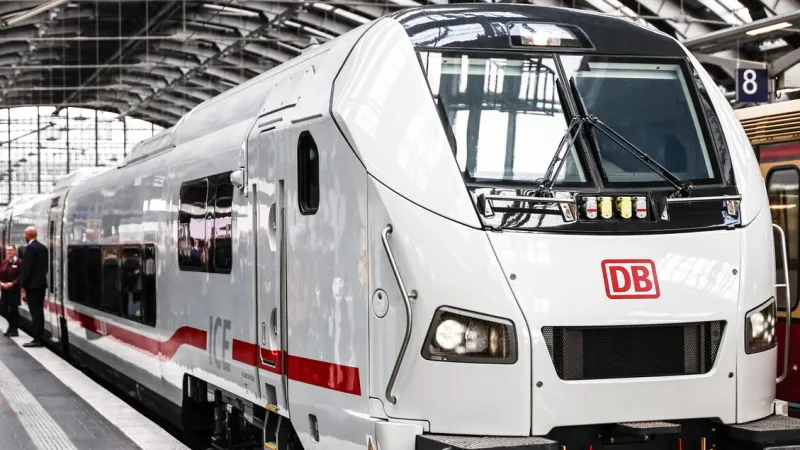
Berlin, Germany — Major rail services across Germany have gradually resumed operations following a widespread communication system failure that brought the nation's extensive train network to a near standstill. The disruption, which stranded thousands of passengers and significantly impacted freight transport, began earlier this week and necessitated an urgent, coordinated response from national rail operator Deutsche Bahn and emergency services.
The paralysis stemmed from a catastrophic communication system collapse, creating unprecedented logistical challenges for one of Europes busiest railway networks. This event led to mass cancellations and prolonged delays, severely disrupting both national and international travel itineraries for days.
Prior to the resumption, the scale of the incident prompted widespread concern, with a previous report detailing the extent of the crisis as "German Rail Paralysis: Communication System Collapse Strands Thousands". This earlier report highlighted the unprecedented nature of the outage and its immediate impact on daily life and commerce.
Commuters attempting to navigate their daily routines faced significant hurdles, often left without clear alternatives as bus and road networks struggled to absorb the sudden surge in demand. Travelers planning long-distance journeys or international connections found themselves rebooking flights or scrambling for alternative transportation.
Beyond passenger inconvenience, the communication breakdown carried substantial economic ramifications. Freight trains, vital for transporting goods across Germany and into neighboring countries, experienced severe delays, impacting supply chains for various industries, from automotive manufacturing to retail.
While specific technical details of the communication system failure remain under investigation, authorities confirmed it affected critical signaling infrastructure and coordination platforms essential for safe and efficient train movement. This rendered large sections of the network inoperable, forcing a complete shutdown in affected regions.
Deutsche Bahn mobilized extensive technical teams, working tirelessly around the clock to diagnose the root cause and implement remedial measures. Engineers and IT specialists collaborated to restore the integrity of the compromised communication channels, prioritizing safety protocols throughout the recovery process.
The crisis prompted close coordination between Deutsche Bahn, federal transport ministries, and regional authorities. Emergency response plans were activated to assist stranded passengers, provide accommodation where necessary, and disseminate information through various channels, albeit sometimes intermittently due to the nature of the system failure itself.
The reintroduction of services is occurring in phases, beginning with key routes and gradually expanding to cover the entire network. Deutsche Bahn officials cautioned that while the core communication issues are largely resolved, residual delays and cancellations are still possible as the system stabilizes and trains are repositioned.
Passengers are strongly advised to check real-time travel information before heading to stations, as schedules remain dynamic. The rail operator emphasized its commitment to transparency and urged patience from travelers during this transition period.
This incident casts a spotlight on the resilience of Germany's critical national infrastructure. Experts suggest that the event will likely prompt a thorough review of existing communication systems and contingency plans within the rail sector, potentially leading to increased investment in redundancy and cybersecurity measures.
A spokesperson for Deutsche Bahn expressed regret over the inconvenience caused to millions of travelers and businesses. "Our absolute priority remains the safety and reliability of our services," the spokesperson stated, affirming a commitment to understanding the full extent of the failure to prevent future occurrences.
Given Germanys central role in European rail transport, the disruption also had ripple effects on cross-border services, impacting connections to countries like France, Belgium, the Netherlands, and Switzerland. The rapid resumption is therefore critical for the wider European transport network.
While the immediate crisis abates, the incident serves as a stark reminder of the vulnerability of modern, interconnected systems. The full restoration of normal service levels and public confidence in the German rail network will likely be a gradual process, monitored closely by both domestic and international observers.