 Angel Doris
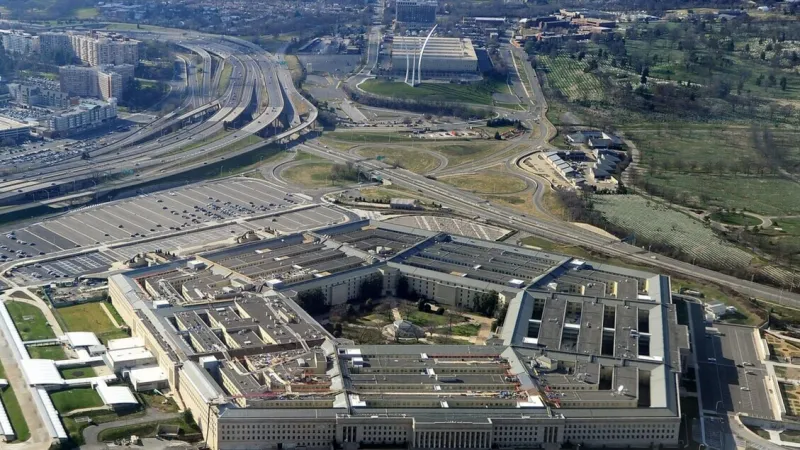
ARLINGTON, Va. – The Pentagon initiated a lockdown and evacuated several floors today following a reported hazardous material incident, prompting a swift response from emergency personnel deploying gas masks and protective suits. The incident occurred on the premises of the U.S. Department of Defense headquarters, as initially reported by CNN.
The nature of the dangerous materials involved remained undisclosed by authorities, but the immediate and extensive response indicated a serious potential threat. First responders, easily identifiable by their specialized personal protective equipment, quickly established a perimeter around the affected sections of the building.
The evacuation order specifically impacted certain areas within the sprawling five-sided complex, a standard and critical protocol when dealing with potential chemical, biological, radiological, or nuclear (CBRN) threats. The precision of the evacuation aims to isolate any risk while minimizing overall disruption.
Numerous emergency vehicles, including fire trucks, ambulances, and specialized hazardous materials units, converged on the site. Their coordinated presence underscored the perceived severity of the situation and the multi-agency effort to contain and neutralize the potential hazard.
Officials did not immediately release detailed information regarding the source or specific type of hazardous material involved in the incident. The primary focus for emergency management teams appeared to be containment of the threat and ensuring the safety and well-being of all personnel within the facility.
While the full extent of operational disruption was not immediately clear, a lockdown at the Pentagon, which serves as the nerve center of the U.S. military, is a rare and profoundly significant event. Essential personnel were directed to follow shelter-in-place procedures, while non-essential staff in affected zones were instructed to evacuate.
The Pentagon maintains some of the most stringent security protocols globally, continuously refined since the tragic events of September 11, 2001. Such incidents automatically trigger immediate and comprehensive responses designed to mitigate any potential threat to national security assets or the thousands of individuals who work there.
Although not a frequent occurrence, the Pentagon has occasionally experienced similar events, ranging from false alarms to minor chemical spills that necessitate temporary disruptions. However, this particular incident, requiring widespread evacuations and the deployment of specialized hazmat gear, suggests a more substantial concern.
An exhaustive investigation into the origin and exact nature of the hazardous materials is expected to commence swiftly. This inquiry will begin once the immediate threat is fully contained and the affected areas are thoroughly secured and deemed safe for entry. Federal agencies, including the FBI, will likely collaborate closely with Pentagon security forces in this critical examination.
This incident naturally draws heightened public and national security attention due to the Pentagon's indispensable role in global defense strategies. Officials are anticipated to provide further updates as soon as verifiable and actionable information becomes available, carefully balancing the need for transparency with paramount security imperatives.
The year 2026 continues to present a complex and dynamic geopolitical landscape, with various global hotspots demanding constant vigilance from U.S. defense leadership. An event at the Pentagon, regardless of its ultimate cause, inevitably sends ripples of concern through Washington and international capitals, highlighting the fragility of even the most secure environments.
Despite the significant disruption, the Pentagon's inherent resilience and its ability to maintain continuity of essential operations are core tenets of its design and operational protocols. Key command and control functions are engineered to remain effective and responsive, even under extraordinary duress, ensuring the nation's defense posture remains uncompromised.