 Angela Stefani
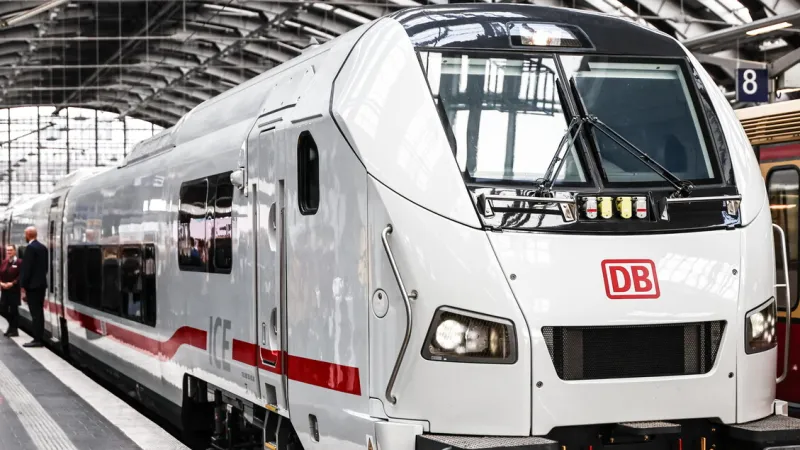
BERLIN – Germany's extensive national rail network experienced a complete shutdown today, stranding thousands of passengers and causing widespread chaos after a catastrophic communication system failure brought all train services to a halt. The national rail operator, Deutsche Bahn, confirmed that no trains would operate for the remainder of the night, with many already en route being redirected back to their originating stations.
The unprecedented German rail paralysis quickly transformed bustling transport hubs like Berlin Hauptbahnhof and Frankfurt Hauptbahnhof into scenes of confusion and frustration. Travelers preparing for evening commutes or long-distance journeys found themselves abruptly stranded, scrambling for alternative modes of transport or seeking overnight accommodations.
Deutsche Bahn released a statement citing a massive technical malfunction within its critical communication infrastructure as the root cause of the widespread disruption. This system, essential for coordinating train movements, signaling, and crew communications, effectively collapsed, rendering safe operation impossible. Specific details regarding the exact nature of the malfunction remained scarce in the immediate aftermath.
Emergency protocols were activated across the country as railway personnel worked diligently to safely return trains already in motion to the nearest viable stations. Announcements broadcast over station loudspeakers advised passengers of the indefinite suspension, offering limited information beyond the operational halt until further notice.
The incident underscores persistent vulnerabilities within Germany's vital infrastructure. While highly efficient, the national German train system has faced increasing scrutiny in recent years regarding its resilience against technical failures and the need for significant modernization investments.
Social media channels were flooded with images and accounts from disgruntled passengers. Many expressed exasperation over the sudden lack of precise information and the sheer scale of the disruption, which affected both regional and high-speed intercity services. Families with children, international tourists, and business travelers were particularly impacted.
Local transport authorities swiftly moved to implement emergency bus services where possible, though the sheer volume of stranded individuals often overwhelmed these stopgap measures in many areas. Taxi ranks saw unprecedented queues, and car rental agencies reported immediate depletion of their available fleets.
Industry experts suggest that a German rail paralysis of this magnitude will incur substantial economic costs, both in direct operational losses for Deutsche Bahn and indirect impacts on productivity, supply chains, and tourism. The timing, during a peak travel period, further amplified the disruption across various sectors.
Authorities have commenced an urgent investigation into the communication system failure, with promises of a thorough review to prevent future occurrences. The inquiry will undoubtedly focus on the aging components of the network and the robustness of its digital backbone, particularly in light of 2026 infrastructure demands.
As of late evening, Deutsche Bahn advised all passengers to refrain from attempting to travel by train and to check their official channels for updates regarding potential service resumption tomorrow morning. The full scope of repairs and the timeline for restoring normal operations across the German rail system remained unclear, leaving thousands in limbo.