 Dorry Archiles
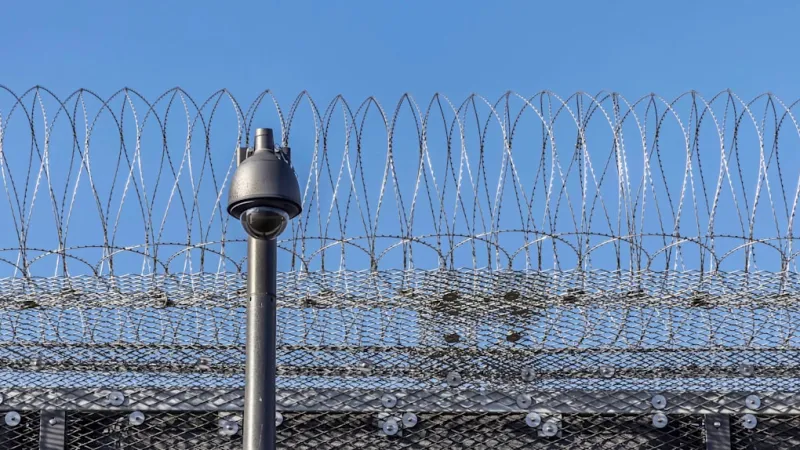
GERMANY – A seemingly minor dispute over a missing ping-pong table escalated into a significant inmate protest at a correctional facility recently, prompting a substantial police deployment to quell the disturbance. Several prisoners reportedly refused to return to their cells after outdoor recreation, initiating a standoff with authorities that underscored underlying tensions within the institution.
The incident unfolded when the promised recreational equipment, specifically a table tennis unit, was not made available to inmates during their designated yard time. This perceived deprivation quickly ignited a collective refusal to comply with directives to re-enter their cell blocks.
Correctional officers initially attempted to de-escalate the situation through direct communication, but their efforts proved unsuccessful as the number of recalcitrant prisoners grew. The refusal to disperse necessitated a broader response to maintain order and security within the facility.
Authorities, recognizing the potential for further unrest, swiftly mobilized a considerable contingent of local police forces. The deployment included specialized units, aiming to establish a visible presence and ensure the rapid containment of any escalating behaviors.
Details regarding the exact number of inmates involved in the protest remain somewhat fluid, though initial reports indicated multiple individuals participated in the defiance. The facility¹s administration has launched an internal review to ascertain the full scope of the disruption.
Prison officials have confirmed that the standoff was ultimately resolved without major violence, though the precise methods employed to secure the inmates¹ return to their cells were not immediately disclosed. The presence of external law enforcement was deemed crucial in bringing the situation to a peaceful conclusion.
Such incidents, while often originating from seemingly trivial grievances, can illuminate deeper issues within penal institutions. Access to recreational activities and maintaining promised amenities are frequently cited by inmate advocacy groups as vital for psychological well-being and reducing tensions.
The consequences for the participating prisoners are expected to be severe. Correctional law typically allows for disciplinary actions ranging from loss of privileges and extended solitary confinement to criminal charges for insubordination or inciting a riot.
A spokesperson for the Ministry of Justice, speaking anonymously due to ongoing investigations, indicated that an official statement would be released once a comprehensive assessment of the incident is complete. The emphasis remains on ensuring security while addressing the root causes.
This event adds to a broader conversation surrounding prison conditions and inmate rights across Europe. While specific to Germany, similar challenges relating to overcrowding, resource allocation, and maintaining order are common themes in penal systems worldwide.
The swift police response highlighted the seriousness with which German authorities view any challenge to institutional control within detention facilities. Maintaining stability and preventing wider disturbances is a paramount concern for public safety.
Experts in penology often argue that constructive engagement and clear communication protocols are essential to prevent minor frustrations from spiraling into significant security breaches. The absence of a ping-pong table, in this context, served as a flashpoint for accumulated discontent.
The correctional facility now faces the task of restoring complete normalcy and evaluating its procedures for inmate grievances and amenity provision. The incident will undoubtedly prompt a reassessment of how recreational opportunities are managed and communicated to the incarcerated population.
This specific type of prison protest, although unique in its trigger, resonates with broader themes of inmate demands for humane treatment and access to basic comforts. The focus will now shift to the administrative response and disciplinary measures.
Public reaction in Germany to such events often balances concern for inmate welfare with a strong expectation for law and order to be maintained within correctional settings. The precise details of the police intervention will likely be scrutinized.
The long-term implications for the involved inmates could include a reevaluation of their security classifications and eligibility for parole or early release programs, depending on the severity of the disciplinary actions taken.
As the investigation continues, authorities are expected to interview both correctional staff and inmates to piece together the full timeline of events and understand the specific grievances that transformed a recreational oversight into a direct challenge to prison authority.
This incident underscores the delicate balance required in prison management, where seemingly small issues can rapidly destabilize an environment designed for strict control and order. The outcome for those involved awaits judicial and administrative review.