 Debby Wijaya
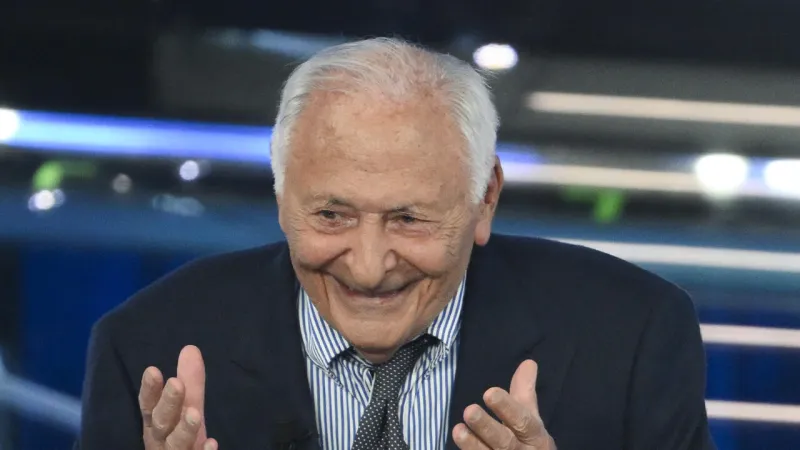
MILAN - Mogol, the revered Italian lyricist whose poetic vision redefined the nation's popular music landscape for over six decades, celebrated his 90th birthday on Thursday, marking a profound legacy of nearly 1,800 penned songs that influenced generations of artists from Lucio Battisti to international icons.
Born Giulio Rapetti, the artist universally known as Mogol created a vast and indelible catalog that resonated deeply with the Italian public, crafting lyrics often described as both intimate and universally relatable. His collaboration with singer-songwriter Lucio Battisti stands as one of the most prolific and artistically successful partnerships in music history, yielding numerous chart-topping hits and enduring classics.
The sheer volume of his output, approaching 1,800 compositions, underscores an unparalleled dedication to the craft of songwriting. This extensive body of work includes not only his celebrated collaborations but also contributions to numerous other Italian and international artists, demonstrating his versatility and enduring creative energy across different eras and genres.
Mogol's artistry transcended national borders, drawing parallels to the lyrical depth of global figures such as Bob Dylan and David Bowie, artists renowned for their profound lyrical contributions to popular music. While primarily celebrated within Italy, his work has often been cited for its universal themes of love, loss, and introspection, earning him a place among the worlds most esteemed lyricists. It brings to mind the way Italy celebrates its national heroes, as evidenced by the widespread adulation for sports stars like Jannik Sinner, reflecting a collective pride in Italian excellence. Italy Crowns Sinner at 25: Federtennis Declares National Love for World No. 1.
His journey began in the late 1950s, a pivotal era for Italian music as it transitioned from traditional melodies to more contemporary sounds. Mogol quickly established himself as a keen observer of human emotion, capable of articulating complex feelings with elegant simplicity, a hallmark that would define his entire career.
The partnership with Battisti, initiated in 1966, truly cemented Mogol's legendary status. Together, they forged a unique sound that merged rock, pop, and traditional Italian melodicism, creating a new genre often referred to as canzone dautore, or authors song, which emphasized poetic lyrics and artistic integrity.
While specific song titles are too numerous to list exhaustively, many tracks from their partnership remain cornerstones of Italian culture, frequently played and beloved across generations. These songs often explored themes of everyday life, societal changes, and personal struggles, resonating deeply with the experiences of a rapidly modernizing Italy.
Following the conclusion of his collaboration with Battisti in the late 1970s, Mogol continued his prolific career, writing for a diverse array of artists. He demonstrated an adaptability that allowed him to remain relevant through successive musical trends, further solidifying his reputation as a versatile and enduring creative force.
His influence extends to contemporary Italian artists who credit Mogol with setting a high standard for lyrical quality and emotional depth in popular music. His workshops and masterclasses on songwriting continue to inspire and educate aspiring lyricists, ensuring his philosophy of thoughts and words perdures.
Even at 90, Mogol remains an active and respected figure in the Italian music scene, celebrated not only for his historic contributions but also for his ongoing commitment to nurturing new talent. His birthday serves as a moment of national reflection on the profound impact one artist can have on a nation's cultural identity.