 Debby Wijaya
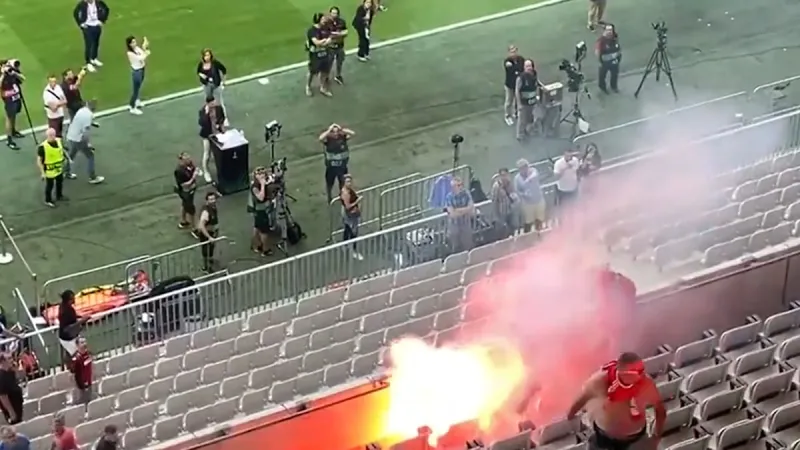
In a decisive move to enhance public safety at sporting events, Dusseldorf announced a new era of cooperation aimed at tackling pervasive football stadium violence. North Rhine-Westphalia Interior Minister Herbert Reul recently formalized a comprehensive agreement with various professional football clubs and the federal police, intensifying efforts to mitigate disorder at matches across the German state.
This landmark pact underscores the region's commitment to fostering a secure environment for spectators, players, and staff alike. For years, incidents of hooliganism and disruptive behavior have marred the reputation of German football, prompting calls for more stringent and coordinated security measures.
The agreement specifically targets the often-complex challenges associated with large public gatherings, where emotions run high and organized fan groups can sometimes lead to confrontations. Authorities have consistently highlighted the need for a unified strategy to prevent, de-escalate, and respond effectively to violence, both within stadiums and their surrounding areas.
Minister Reul has consistently advocated for a zero-tolerance approach to violence, emphasizing that football matches should be a celebration of sport, not a platform for aggression. This latest initiative reflects his unwavering commitment to ensuring that families and casual fans can attend games without fear for their safety.
Key to the new accord is an enhanced framework for information exchange between law enforcement agencies and club security personnel. This proactive sharing of intelligence is designed to identify potential troublemakers before incidents escalate, allowing for targeted interventions and preventative actions.
Operational coordination also forms a central pillar of the agreement. Police forces and stadium security teams will conduct joint training exercises and establish clear communication channels for real-time incident management. This streamlined approach aims to improve response times and the effectiveness of security operations on match days.
The agreement also promotes the implementation of technological solutions, including advanced surveillance systems and improved access control mechanisms, to monitor crowds and deter illicit activities. These tools are crucial in a modern security landscape, providing crucial data for both prevention and post-incident analysis.
Beyond immediate security concerns, the pact encourages preventive educational programs targeting fan groups. These initiatives seek to foster a culture of respect and responsibility among supporters, promoting positive fan behavior and discouraging violent tendencies.
Football clubs, for their part, have expressed a strong commitment to fulfilling their responsibilities under the new agreement. Recognizing the collective benefit of safer stadiums, they are poised to invest further in their own security infrastructure and personnel, working in tandem with state and federal authorities.
This comprehensive approach positions North Rhine-Westphalia at the forefront of efforts to combat football stadium violence, potentially serving as a model for other regions grappling with similar issues. The long-term goal remains to cultivate a vibrant, safe, and welcoming atmosphere that allows the passion for football to thrive unobstructed by disorder.
The ministry hopes that through sustained cooperation and diligent implementation, the agreement will significantly reduce violent incidents, restoring the joy and community spirit that defines the beautiful game for countless fans.