Robert Andrison
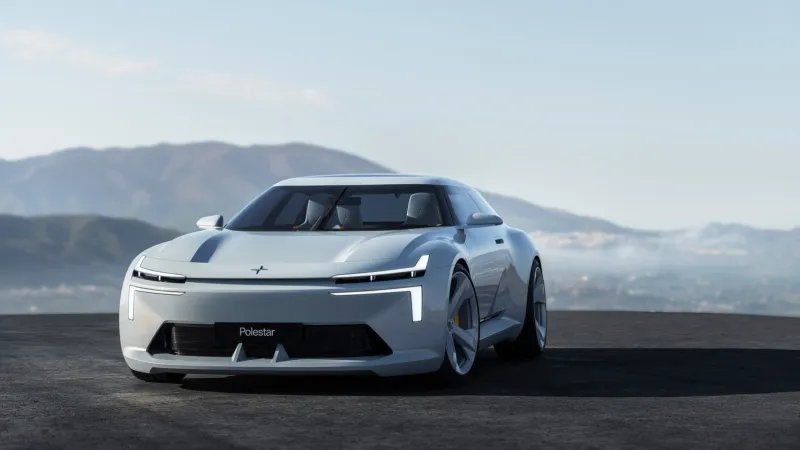
The innovative Polestar Formula 2030 concept car, featuring groundbreaking advancements like inflatable seats and a pop-up LiDAR sensor, remains conspicuously absent from the United States market, hampered by an existing ban preventing its direct availability to American consumers. This prohibition casts a shadow over the potential introduction of Polestars most ambitious technological showcase, despite its global unveiling.
Polestar, the Swedish automotive marque known for its electric performance vehicles, continues to push the boundaries of automotive design and engineering with its new concept. The Formula 2030 embodies a vision of future mobility, integrating cutting-edge features that aim to redefine driver experience and vehicle safety.
Among the most talked-about innovations are its unique inflatable seats. Designed to adapt dynamically to occupant body shapes, these seats promise enhanced comfort and improved safety performance during various driving conditions. This ergonomic approach represents a significant departure from traditional seating mechanisms.
Further bolstering its futuristic appeal, the concept integrates a pop-up LiDAR sensor. This advanced sensor technology provides highly accurate, three-dimensional mapping of the vehicles surroundings, crucial for sophisticated autonomous driving systems and advanced driver-assistance features. Its retractable design maintains aesthetic sleekness when not in active use.
In an era increasingly dominated by touchscreens and digital interfaces, Polestar has also notably retained physical buttons within the Formula 2030. This decision reflects a commitment to tactile feedback and user-friendly controls, addressing a common criticism among drivers regarding the over-reliance on purely digital inputs in modern vehicles.
The current ban, stemming from a protracted legal dispute, specifically prevents Polestar from directly selling its vehicles in the United States. This situation affects all current and future Polestar models, including highly anticipated concept vehicles like the Formula 2030, denying American enthusiasts access to these technological marvels.
Industry analysts suggest the ban poses a considerable challenge for Polestar as it seeks to expand its global footprint, particularly in one of the worlds largest and most lucrative automotive markets. The inability to introduce such a technologically advanced concept car directly hinders its brand building and competitive positioning within the US electric vehicle segment.
Despite the restrictions, the Formula 2030 serves as a powerful statement of Polestars engineering prowess and its long-term vision for sustainable, high-performance electric vehicles. It signals the companys intent to remain at the forefront of automotive innovation, irrespective of immediate market access limitations.
The concept cars design also reflects a broader trend within the automotive industry: a re-evaluation of cabin ergonomics and the integration of both high-tech sensors and human-centric controls. The balance between digital sophistication and physical usability is becoming a key differentiator for manufacturers.
As discussions regarding future mobility evolve, the Polestar Formula 2030 stands as a testament to what is technologically feasible. Its features suggest potential benchmarks for upcoming production models across the electric vehicle landscape, inspiring competitors even while being unavailable in a significant market.
The ongoing legal complexities surrounding Polestars market entry in the United States highlight the intricate challenges foreign automakers can face when navigating diverse international regulatory and intellectual property landscapes. The resolution of these issues remains critical for the brands full American market participation.
Consumers and automotive journalists alike express a keen interest in the Formula 2030, often lamenting its current unavailability. The vehicles innovative approach to passenger comfort, driver assistance, and intuitive controls represents a significant draw for a market hungry for next-generation electric vehicles.