 Angela Stefani
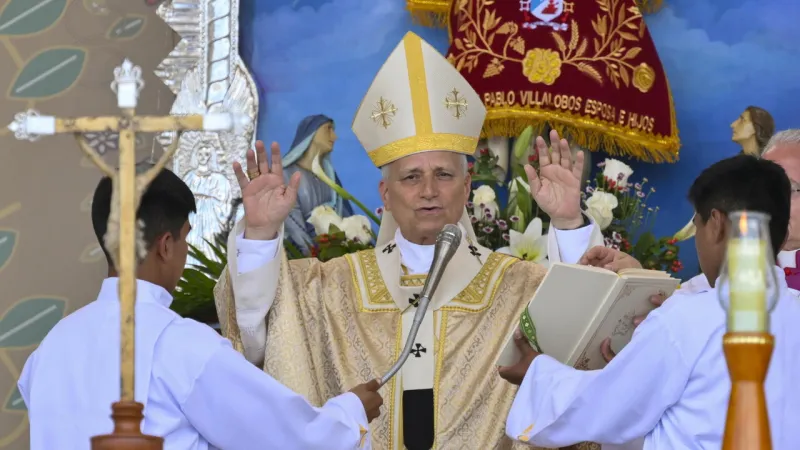
VATICAN CITY – Pope Francis has issued a fervent appeal against the use of violence, declaring it an ineffective pathway to societal progress, while simultaneously highlighting grave concerns over escalating forced migrations and the unjust exploitation of natural resources. The Pontiff delivered his unequivocal message, emphasizing that these global challenges demand ethical and collaborative solutions rather than conflict.
“Never give in to violence; it is not the way to progress,” Pope Francis stated, articulating a core tenet of his papacy. He underscored that any perceived immediate gains from violent actions are ultimately illusory, leading instead to deeper societal fractures and hindering genuine human development. His pronouncement serves as a powerful moral compass amidst a complex global landscape.
The Pontiff specifically identified forced migrations as a profoundly worrying challenge of the current era. Millions worldwide are displaced from their homes due to a confluence of factors including armed conflict, political instability, economic deprivation, and the accelerating effects of climate change. These journeys are often perilous, leaving individuals and families vulnerable to exploitation and further violence.
He stressed that the international community bears a profound responsibility to address the root causes of these movements. This includes fostering peace, promoting equitable development, and ensuring safe, dignified pathways for those seeking refuge. The humanitarian crisis inherent in mass displacement calls for concerted action and compassionate policies.
Parallel to the issue of migration, Pope Francis spotlighted the iniquitous exploitation of land resources. This refers to the unsustainable and often unethical practices that extract natural wealth from the earth, frequently benefiting a privileged few while leaving local communities dispossessed and environments devastated.
Such exploitation, he argued, not only depletes vital resources but also exacerbates social inequalities and environmental degradation, sowing seeds of resentment and potential conflict. It represents a fundamental injustice that undermines the well-being of both present and future generations, challenging the very notion of stewardship over creation.
The Pope’s message resonates deeply with the Catholic Churchs broader teachings on social justice, human dignity, and the integral ecology first articulated in his encyclical Laudato si. He consistently calls for a global solidarity that prioritizes the common good over individual or nationalistic interests.
His appeal challenges world leaders, policymakers, and civil society organizations to re-evaluate current approaches to these crises. It urges a shift from reactive measures to proactive strategies centered on dialogue, respect for human rights, and sustainable development practices that genuinely uplift all segments of society.
Effective solutions, Pope Francis maintains, cannot emerge from confrontation or coercion. Instead, they require authentic engagement, shared responsibility, and a collective commitment to building peaceful societies where justice prevails and every individual can thrive without fear of violence or oppression.
The Pontiff’s unwavering stance underscores the urgent imperative for humanity to choose paths of cooperation and mutual understanding. His message serves as a timely reminder that true progress is inextricably linked to the pursuit of peace, the defense of human dignity, and the responsible management of our shared planetary home.