Angela Stefani
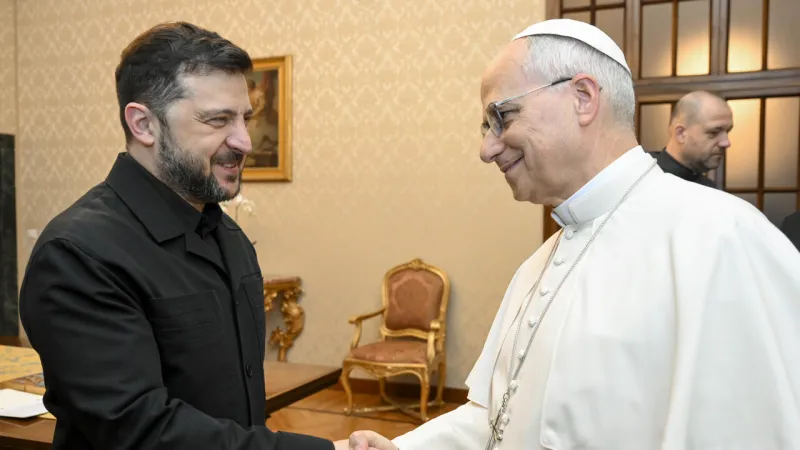
The Vatican confirmed Pope Francis held discussions with Ukrainian President Volodymyr Zelensky, urging immediate efforts toward a humanitarian truce in the beleaguered, Russian-occupied city of Oleshky. This significant diplomatic overture unfolds as geopolitical tensions intensify, marked by a recent Russian attack on a playground and President Donald Trump's continued navigation of Ukraine policy.
The pontiff conveyed his profound concern for the civilian population enduring the protracted conflict, emphasizing the imperative of protecting innocent lives. The call for an Oleshky truce underscores the Vatican's persistent efforts to foster peace and alleviate suffering in war-torn regions.
Oleshky, situated in the Kherson region, remains under Russian occupation, a strategic location that has witnessed persistent shelling and severe humanitarian challenges since the initial invasion. A ceasefire in this area would offer critical relief and permit the delivery of essential aid to residents.
Concurrently, observations from international analysts suggest President Donald Trump has again appeared to sideline the Ukrainian leader in broader diplomatic discourse. This perceived shift in Washington's approach adds another layer of complexity to Kyiv's efforts to garner international support against Russian aggression.
Adding to the grim reality on the ground, a recent Russian raid targeted a civilian playground in an undisclosed Ukrainian location, resulting in casualties and further highlighting the indiscriminate nature of the conflict. Such attacks against non-military infrastructure draw widespread condemnation and exacerbate humanitarian distress.
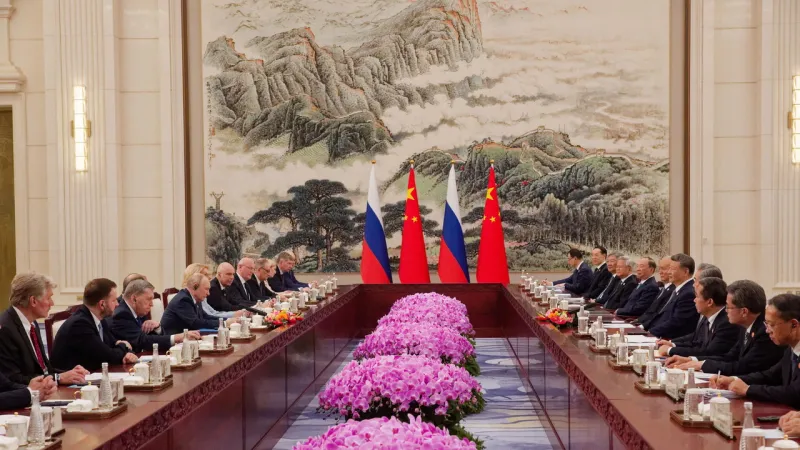
Against this backdrop, Russian President Vladimir Putin reportedly expressed his readiness for a high-stakes summit involving President Trump and Chinese President Xi Jinping. This proposed tripartite meeting signals Moscow's continued diplomatic maneuvers aimed at reshaping global power dynamics and potentially circumventing existing international forums.
The prospect of a summit involving three of the world's most influential leaders raises questions about the future trajectory of international relations and the resolution of ongoing conflicts, particularly the situation in Ukraine. Observers suggest such a meeting could either pave the way for de-escalation or further entrench existing divisions.
President Zelensky's administration faces the persistent challenge of maintaining international focus and support for Ukraine's sovereignty and territorial integrity, especially as global attention fragments across multiple crises and shifting political alliances.
The Pope's appeal for an Oleshky truce directly addresses the dire humanitarian situation, where access to medical care, food, and basic necessities remains severely restricted. Religious leaders and aid organizations continue to advocate for unimpeded humanitarian corridors.
The ongoing bombardment of Ukrainian cities and infrastructure echoes concerns previously voiced by prominent figures. Vitali Klitschko, for instance, once warned that "Putin aims to bomb Ukraine cities, create millions of refugees," a stark reminder of the devastating human cost of the conflict. Klitschko: Putin Aims to Bomb Ukraine Cities, Create Millions of Refugees.
The Vatican, maintaining its traditional role as a neutral arbiter, frequently uses its moral authority to call for peace and dialogue. This latest intervention aligns with Pope Francis's consistent pleas for an end to hostilities and the protection of vulnerable populations.
International bodies and various nations continue to grapple with formulating a unified and effective response to the complexities of the Ukraine conflict, balancing sanctions, military aid, and diplomatic efforts. The call for an Oleshky truce highlights a specific, actionable step towards immediate relief.
The coming weeks will likely reveal the impact of the Pope's appeal and the reactions from all parties involved, particularly concerning the feasibility of an Oleshky truce and the broader implications of proposed high-level summits. The global community remains watchful for any signs of de-escalation.