Debby Wijaya
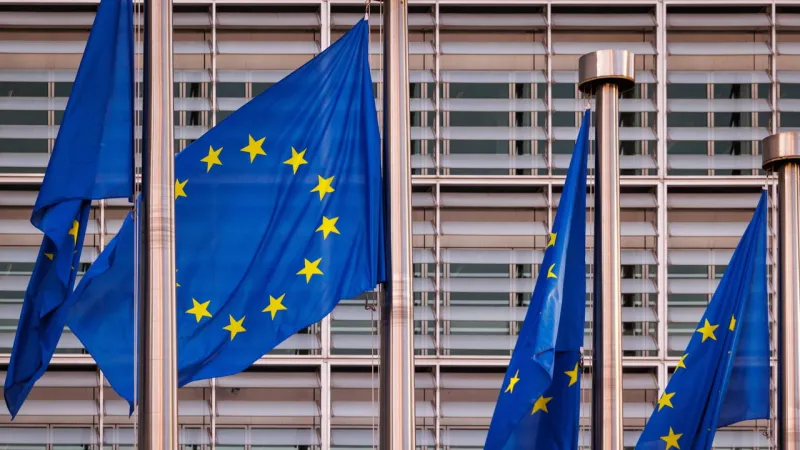
BRUSSELS - The Netherlands has issued a stark warning to its European Union counterparts, asserting that numerous member states are falling short in their commitments to provide essential aid to Ukraine. This urgent call for increased support comes as European leaders convene for a critical Council meeting, where the multifaceted challenges of ongoing geopolitical tensions and internal economic stability will dominate the agenda. The Dutch government emphasized the imperative for collective and sustained action to bolster Ukraine's defense capabilities against continued aggression.
The pronouncement underscores a growing frustration within some EU capitals regarding the pace and scale of aid delivery. A Dutch official, speaking on condition of anonymity due to the sensitivity of diplomatic discussions, stated, "Many countries are behind in aid to Kiev; more must be done." This sentiment highlights a perceived disparity in contributions, putting pressure on nations seen as underperforming to intensify their efforts.
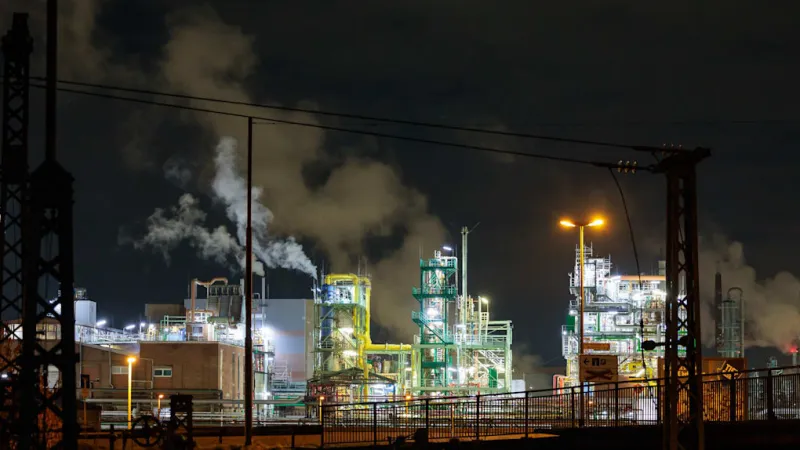
Concurrently, a coalition of Nordic nations – Finland, Denmark, and Sweden – addressed a joint letter to European Commission President Ursula von der Leyen and European Council President António Costa. Their message unequivocally urged against any initiatives that might weaken the integrity of the EU Emissions Trading System (ETS). The premiers stressed the vital role the ETS plays in achieving climate neutrality and maintaining economic competitiveness within the bloc.
The Emissions Trading System is a cornerstone of the EU's climate policy, designed to put a price on carbon emissions and incentivize greener industrial practices. Efforts to potentially soften its mechanisms, perhaps in response to economic pressures or energy concerns, have been met with firm resistance from countries committed to robust environmental targets. Protecting the ETS remains a priority for these Nordic states, who view it as indispensable for Europe's long-term sustainability goals.
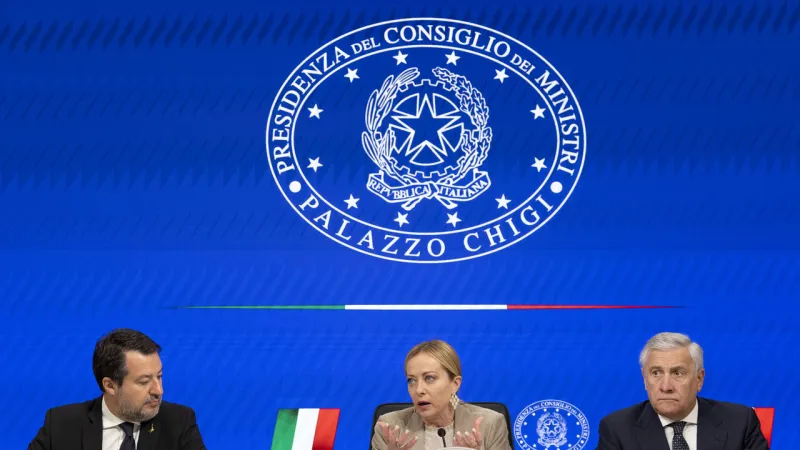
Amid these discussions on aid and climate policy, Italian Foreign Minister Antonio Tajani introduced another critical dimension: the immediate appointment of an EU envoy for peace in Ukraine. Tajani advocated for the rapid establishment of such a position, stressing the necessity of a dedicated diplomatic channel to explore avenues for conflict resolution and de-escalation.
"The EU must quickly choose an envoy for peace in Ukraine," Tajani remarked, articulating Italy's conviction that the bloc needs a unified and high-profile representative to navigate potential peace talks. This initiative reflects a broader European desire to move beyond solely military support and actively pursue diplomatic solutions, despite the complex realities on the ground.
The upcoming European Council meeting is thus poised to tackle an array of interconnected issues, from immediate military assistance for Ukraine to long-term climate strategies and diplomatic overtures. Leaders will grapple with how to balance economic stability, energy security, and environmental commitments while maintaining a united front against external threats. These deliberations follow recent intensified discussions, as highlighted by articles such as Merz Heads to Brussels: EU Summit Braces for Economic Clash.
The sustained conflict in Ukraine continues to be a central catalyst for much of the EU's policy discussions. The need for coordinated European action is more pronounced than ever, particularly given the ongoing global implications and the varied approaches taken by international partners. The urgency articulated by the Netherlands underlines the strategic importance of uniform commitment from all member states.
Beyond direct military contributions, discussions often extend to the financial and humanitarian aid provided to Ukraine. The cumulative impact of these efforts is substantial, yet the Dutch position suggests a need for re-evaluation and recalibration of national contributions to ensure equitable burden-sharing across the union. This pressure for greater transparency and accountability in aid delivery is likely to feature prominently in closed-door sessions.
Concerns over energy security also intertwine with the conflict and the ETS debate. Nations are acutely aware of the delicate balance required to maintain industrial output and citizen welfare while transitioning away from fossil fuels and managing the economic fallout of prolonged conflict. The EU's stance on shielding member states from volatile energy prices has been a recurring theme, as seen in reports like EU Backs Italy's Energy Shield Amidst Bloc Fiscal Tensions.
The overarching goal for the EU remains to project strength and unity on the international stage, particularly concerning its eastern flank. The calls from the Netherlands, Finland, Denmark, Sweden, and Italy collectively illustrate the dynamic and often challenging internal negotiations required to forge a cohesive European foreign and economic policy. As leaders prepare for this pivotal summit, the world watches for definitive steps towards greater solidarity and strategic clarity.
The complexity of these issues demands not only financial and military resolve but also a concerted diplomatic push. The proposal for a peace envoy, coupled with the insistence on robust climate policies and equitable burden-sharing for Ukraine aid, underscores a critical juncture for European governance. The decisions made in Brussels will undoubtedly shape the continent's trajectory for years to come.