 Debby Wijaya
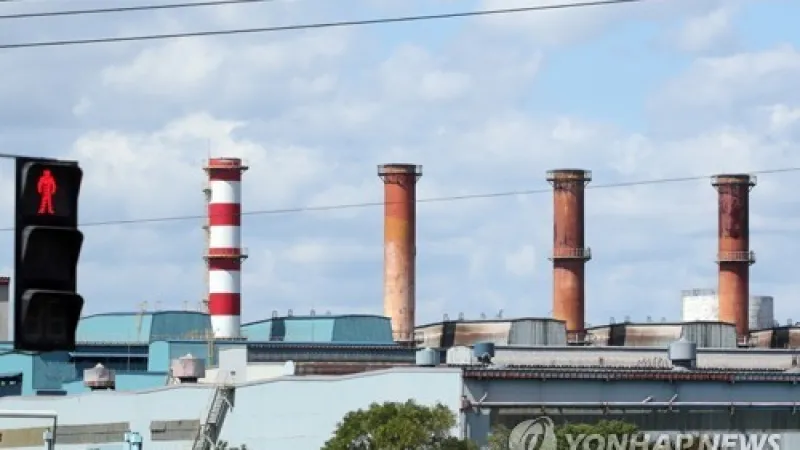
SEOUL, Nov. 7 (Yonhap) -- Unionized workers at South Korean steelmaker POSCO have overwhelmingly voted down a tentative wage deal, casting a shadow of uncertainty over future labor relations and potentially impacting one of the nation's critical industrial pillars. The rejection, announced today, represents a significant setback in negotiations between management and the labor union, raising concerns about potential industrial action.
Approximately 90 percent of the union members participated in the ballot, with a substantial majority rejecting the proposed agreement. The specific figures of the vote were not immediately disclosed, but union officials indicated widespread dissatisfaction with the terms presented by the company.
The tentative agreement, reached after several rounds of intense negotiations, reportedly included provisions for a modest wage increase and some improvements in working conditions. However, union representatives asserted that the offer fell short of their members expectations for fair compensation and benefits, particularly amid rising inflation and the company's robust performance in recent years.
This marks a critical juncture for POSCO, a global leader in steel production and a cornerstone of the South Korean economy. A prolonged dispute could disrupt operations, affect supply chains, and potentially reverberate through various sectors dependent on steel products.
The union had initially sought a more substantial wage hike, citing the company's significant profits and the demanding nature of steel industry work. Management, conversely, emphasized the need for financial prudence in a volatile global market, balancing worker demands with long-term business stability and competitiveness.
Analysts are closely watching the situation, noting that labor disputes at major conglomerates can have broader economic implications for South Korea. The nation has a history of impactful union actions, and a strike at POSCO would be a high-profile event.
Company management has expressed disappointment with the outcome of the vote, reaffirming its commitment to continued dialogue. A spokesperson, who requested anonymity due to the ongoing sensitive nature of negotiations, stated, “We acknowledge the union members decision and remain open to further discussions to find a mutually agreeable solution.”
Union leadership, meanwhile, indicated its readiness to resume negotiations but maintained a firm stance on securing improved terms. “Our members have spoken clearly,” a union representative said. “The proposed deal does not reflect the hard work and dedication of the POSCO workforce. We seek a resolution that truly values our contributions.”
The rejection highlights the growing assertiveness of labor unions in South Korea, particularly in sectors where companies have reported strong financial results. This trend is often fueled by workers desire for a larger share of corporate profits and enhanced job security.
The government has largely adopted a non-interventionist approach to private sector labor disputes, encouraging direct negotiations between parties. However, an extended standoff at a company of POSCO's strategic importance could invite calls for mediation if the situation escalates.
Future negotiations are expected to focus on bridging the gap between the union's demands for higher wages and improved benefits, and management's concerns about operational costs and global market pressures. The outcome will set a precedent for other industrial wage negotiations across the country.
The immediate impact on POSCO shares is anticipated to be minimal, but prolonged uncertainty could deter investors. The steel industry faces its own global challenges, including oversupply and environmental regulations, adding another layer of complexity to these domestic labor talks.
This development underscores the delicate balance companies must strike between rewarding their workforce and maintaining financial resilience in an ever-changing economic landscape.