 Demian Sahputra
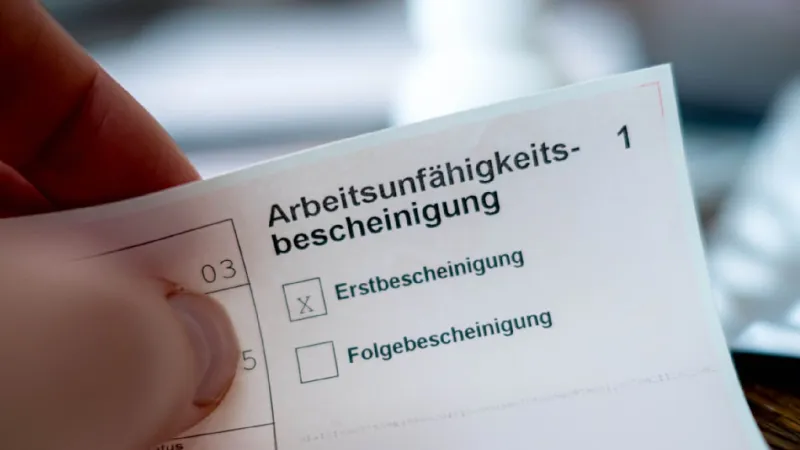
Berlin The German federal government is poised to implement stricter regulations concerning sick leave certifications, a move that aims to curb employee absenteeism but simultaneously ignites apprehension among the nation's workforce. The proposed changes, expected to impact businesses and their personnel across various sectors, reflect a governmental effort to manage economic productivity amidst calls for greater accountability.
The impetus behind the government's initiative stems from a desire to reduce economic disruptions caused by illness-related absences. Proponents argue that a more rigorous approach to sick leave could mitigate financial burdens on employers and enhance overall national productivity.
Employers, represented by various industry associations, largely welcome the potential tightening of rules. They express optimism that the reforms will lead to a decrease in short-term sick leaves, which often pose significant logistical and financial challenges for companies. For instance, businesses frequently incur costs associated with replacement staff or lost output.
Conversely, employee organizations and labor unions voice strong reservations. Workers fear that the new measures could foster an environment of distrust and potentially lead to harassment from employers, compelling ill individuals to report to work, a phenomenon known as presenteeism. Such a scenario could exacerbate health issues and propagate illness within workplaces.
While specific legislative details remain under discussion, the core of the proposed changes revolves around the early involvement of medical professionals in certifying illness. Current regulations often allow for a certain period of self-certification before a doctor's note becomes mandatory. The government seeks to recalibrate this balance.
Small and medium-sized enterprises (SMEs) could particularly feel the effects of these reforms. Unlike larger corporations with extensive human resources departments, SMEs often struggle more acutely with staff shortages due to unexpected absences, making them eager for greater predictability in their workforce.
The long-term implications extend beyond immediate attendance figures. Experts suggest that a culture of excessive scrutiny might negatively affect employee morale and loyalty, potentially leading to higher turnover rates as workers seek environments perceived as more supportive of their well-being.
This move aligns with a broader trend within the German coalition government to introduce various reforms aimed at bolstering economic stability and efficiency, often sparking considerable debate. The government has recently defended sweeping reforms amidst economic uncertainty, indicating a proactive stance on national policy adjustments.
The public discourse surrounding sick leave policy highlights a fundamental tension between economic imperatives and social welfare principles. Striking a balance that satisfies both business needs and employee rights presents a significant challenge for policymakers.
As the federal government continues to deliberate, stakeholders from both sides of the labor market are actively engaging in consultations, advocating for their respective interests. The final shape of these new sick leave rules will significantly influence daily operations for millions of German workers and businesses in the coming years.