Gabriella
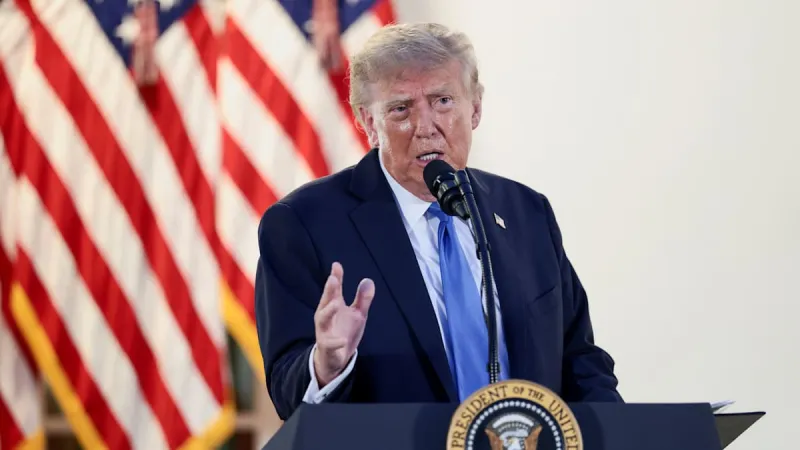
President Donald Trump is initiating significant changes to federal election procedures through an executive order, just two months before the crucial congressional midterm elections in 2026. The unilateral move, centered on altering absentee ballot regulations, has prompted immediate warnings from election integrity experts who caution that the directive could disenfranchise tens of thousands of legitimate voters nationwide.
The President's administration argues these modifications are vital for enhancing election security and preventing potential fraud. This narrative aligns with long-standing concerns articulated by President Trump regarding the integrity of mail-in voting systems, often highlighting past instances of alleged irregularities.
The executive order reportedly targets specific aspects of absentee ballot processing and verification. Sources familiar with the directive indicate it may impose stricter identification requirements or tighter submission deadlines that deviate from existing state-level frameworks, which historically manage such electoral mechanics.
Legal scholars and non-partisan election watchdog groups have swiftly condemned the unilateral action. They contend that bypassing established legislative processes to alter voting rules so close to an election creates undue chaos and disproportionately affects voters who traditionally rely on mail-in options, such as military personnel, overseas citizens, and the elderly.
Dr. Elena Rodriguez, a respected professor of constitutional law at American University, voiced grave concerns. “We estimate that if these changes are implemented without adequate public education and infrastructure adjustments, upwards of 75,000 votes, particularly from rural and low-income areas, could be rejected,” she stated.
The debate over absentee ballots has intensified in recent election cycles, with proponents citing accessibility and opponents highlighting perceived vulnerabilities. States have traditionally held primary authority over such regulations, making President Trump's federal intervention particularly contentious. Previous scrutiny of mail-in ballots has, for instance, led to inquiries like the one detailed in the article Elderly Patient's Mail-In Vote Sparks Dessau Fraud Inquiry, reflecting ongoing discussions about the process.
Democratic leaders in Congress have voiced strong opposition, accusing the administration of attempting to suppress voter turnout for partisan gain. Senate Majority Leader Sarah Chen called the order “an unprecedented assault on American democracy” during a press conference on Capitol Hill, vowing to fight its implementation.
Conversely, many Republican lawmakers and conservative advocacy groups have lauded President Trump's initiative, framing it as a necessary step to restore public confidence in electoral outcomes. They argue that uniform federal standards are essential to prevent irregularities across the diverse electoral landscape.
The constitutionality of an executive order dictating federal election procedures, traditionally governed by state and federal statutes, is expected to face immediate legal challenges. Civil rights organizations and voting rights advocates are reportedly preparing lawsuits to halt the implementation of the directive before election day.
The 2026 midterm elections are critical, with control of both the House of Representatives and the Senate hanging in the balance. Any disruption to the voting process, particularly one perceived as politically motivated, could have profound implications for the national political landscape and future governance.
Beyond the legal ramifications, experts express concern about potential voter confusion. Different rules in different jurisdictions, or a sudden shift in established procedures without sufficient public notice, could deter eligible citizens from casting their ballots, leading to lower participation.
While past presidents have issued executive orders impacting various federal operations, rarely have they directly targeted the mechanics of federal elections so close to their occurrence. This action sets a potentially divisive new precedent for executive power regarding electoral processes.
The practical challenges of implementing such an order within a two-month timeframe are also a major point of contention. Local election boards, already grappling with staffing and resource constraints, face an immense task in rapidly adapting to new directives.
The situation is likely to draw scrutiny from international election observers, who often monitor democratic processes in established democracies for fairness and transparency, especially when significant changes are enacted without broad consensus.
Advocacy groups are urging the administration to provide immediate and unambiguous guidance to state election officials and the public. Such clarity is deemed essential to mitigate potential disenfranchisement, regardless of the order's eventual legal standing or its intended effects on the absentee ballot system.