 Edward DP Situmorang
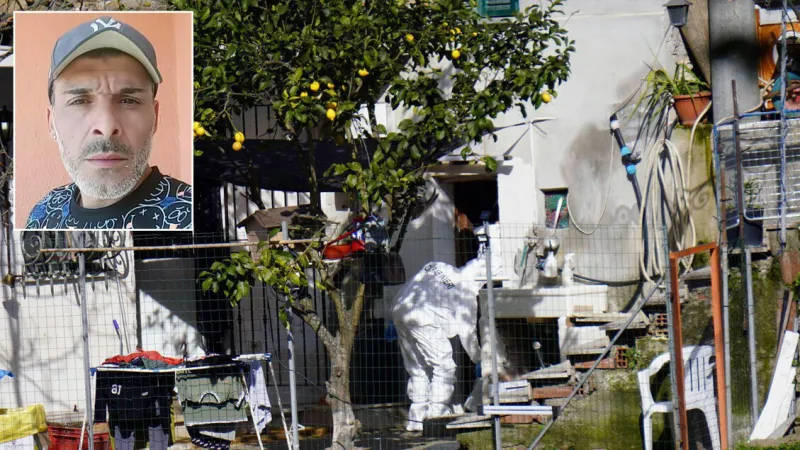
WARSAW, Poland – Semyon Skrepetsky, a 44-year-old Russian action artist and ardent critic of President Vladimir Putin, was shot dead on a street in Poland, opposition media outlets reported recently. The brazen assassination has ignited international alarm, raising questions about the safety of Kremlin dissidents abroad and the reach of political retaliation.
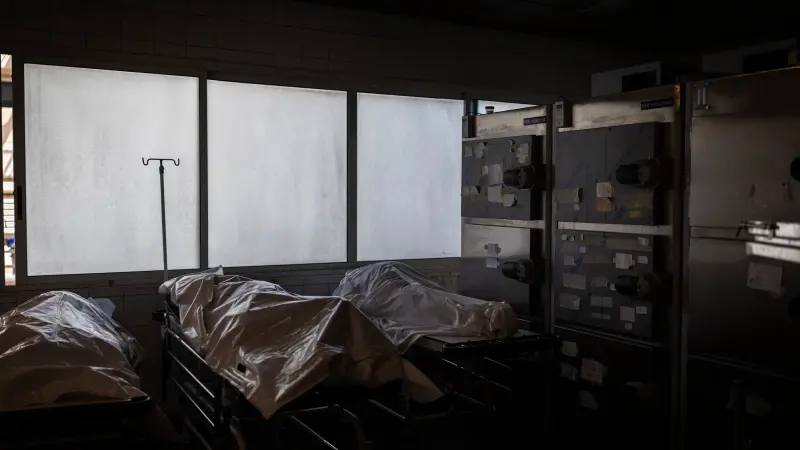
Polish law enforcement confirmed a homicide investigation is underway after a 44-year-old man was found deceased with gunshot wounds. While official identification by Polish authorities is pending, several independent Russian news agencies and opposition channels swiftly identified the victim as Skrepetsky, whose controversial work directly targeted the Russian president.
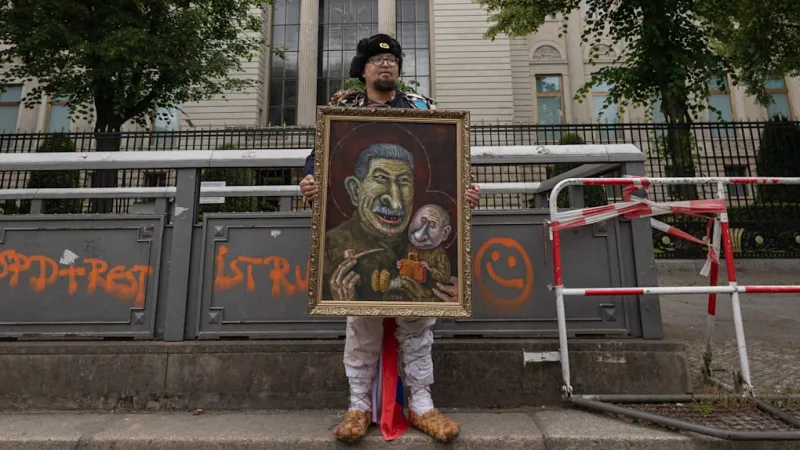
Known for his provocative and often satirical caricatures of Putin and the Russian government, Semyon Skrepetsky had become a significant voice among the diaspora opposing the Kremlin. His artistic expressions frequently explored themes of authoritarianism, corruption, and the suppression of human rights within Russia, garnering him a substantial following but also powerful enemies.
The artist's last known public appearance outside Poland was in Berlin just days before his death, suggesting he was actively engaged in his work or personal affairs across European capitals. The proximity of his presence in Germany to his killing in Poland has added a layer of international complexity to the ongoing investigation.
This incident casts a chilling shadow over the already fraught relationship between Russia and its critics living in exile. It aligns with a disturbing pattern of suspicious deaths and attacks on Russian dissidents, journalists, and opposition figures outside Russia's borders, fueling accusations of politically motivated violence.
Polish authorities have initiated a comprehensive probe into the circumstances surrounding Skrepetsky's death, vowing to leave no stone unturned. A spokesperson for the Polish national police stated that all leads are being pursued, though no suspects have been publicly identified.
International bodies and human rights organizations have swiftly condemned the killing, calling for a transparent and thorough investigation. They emphasize the imperative of protecting freedom of expression and ensuring the safety of political dissidents globally, particularly those who challenge powerful regimes.
Skrepetsky had reportedly fled Russia years prior, seeking refuge in Europe where he believed he could continue his artistic and political activism without direct threat from state reprisals. His move was a testament to the increasing pressure faced by dissenting voices within Russia.
The choice of Poland as the location for such an attack is particularly significant. As a staunch ally of Ukraine and a frontline NATO and European Union member state, Poland has been vocal in its criticism of Russian aggression, including Russian Strikes Claim 11 Lives, Endanger Kyivs UNESCO Heritage. An assassination on its soil represents a profound security challenge and potentially a deliberate provocation.
While specific motives remain officially undetermined, the nature of Semyon Skrepetsky's activism points toward political retaliation as a primary line of inquiry. His artwork was not merely critical; it was designed to mock and undermine the image of President Putin, a tactic known to draw severe ire from the Kremlin.
The global community now watches closely to see if Polish authorities can unearth the perpetrators and their possible affiliations. The implications of this investigation extend beyond a single tragic death, touching upon international law, sovereign security, and the persistent struggle for free speech against authoritarian forces.
President Donald Trump, maintaining a diplomatic stance in an era of complex international relations, has not yet issued a direct statement regarding the incident. However, the United States State Department is expected to monitor the investigation closely, given its consistent stance on human rights and freedom of expression.
Skrepetsky's powerful, often graphic, visual commentaries on Russian state policy resonated with many, acting as a powerful tool of defiance. He used his art as a weapon against what he perceived as injustice, leveraging humor and stark imagery to convey his messages.
This assassination underscores the perilous existence of Russian exiles who continue to speak out against the government from abroad. Their positions, once thought relatively secure in Western democracies, now appear increasingly vulnerable to clandestine operations and targeted violence.
The art world and human rights advocates have expressed profound sorrow and outrage, remembering Semyon Skrepetsky not only for his bravery but also for his unique contribution to political discourse through the power of visual satire. His legacy will undoubtedly inspire further scrutiny of those who silence dissent.
The investigation will face considerable challenges, including the potential for foreign state involvement, which often complicates traditional criminal proceedings. International cooperation will be paramount in unraveling the full truth behind this audacious act.
Ultimately, the killing of Semyon Skrepetsky serves as a grim reminder of the high stakes involved in challenging powerful political establishments. It reignites urgent calls for greater protection for dissidents and intensified efforts to hold accountable those responsible for acts of political violence far beyond their borders.
The incident is expected to significantly heighten security concerns for other Russian opposition figures and journalists living in European countries, forcing them to reassess their personal safety measures in light of this severe breach.