 Angel Doris
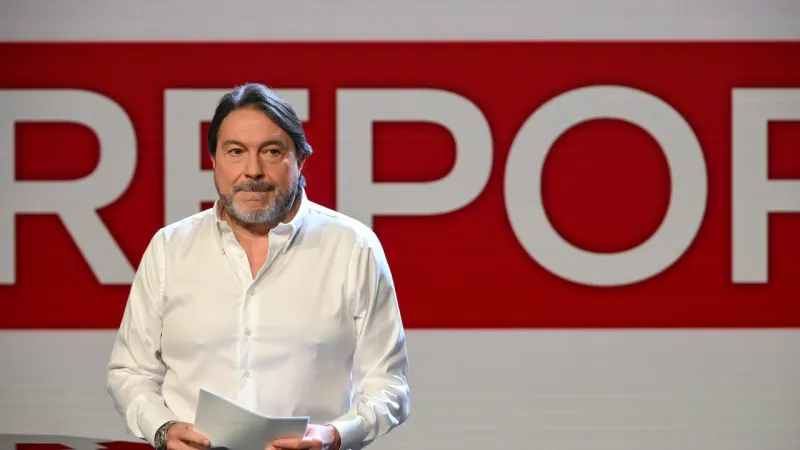
Rome, Italy – Esteemed investigative journalist Sigfrido Ranucci recently triggered a significant political controversy, claiming on social media that Italian Deputy Prime Minister Matteo Salvini is actively pursuing his suspension from public broadcasting. This startling allegation immediately drew a sharp rebuke from Ranucci's legal representative, who characterized the unfolding events as a “delirious theater of folly” and asserted Ranucci's status as a triple victim.
The alarm, initially raised by Ranucci himself on various digital platforms, quickly resonated across Italian media outlets and political discourse. While specific details of Salvini's alleged actions remain under wraps, Ranucci's public statement signals a heightened tension between a prominent journalist known for his critical reporting and a leading figure in the current Italian government.
Ranucci's lawyer, in a statement that underscored the gravity of the situation, expressed profound concern over the implications of such a demand. “He is three times a victim: of an attack, of a betrayal, and of an instrumentalization,” the lawyer stated, adding, “If it is true, it is a delirious theater of folly.” This forceful language highlights the perceived absurdity and malicious intent behind the alleged move to silence the journalist.
The term “delirious theater of folly” has previously surfaced in Italian political and legal contexts, often to describe situations deemed irrational or politically motivated. A similar phrase appeared in reporting concerning the Lavitola interrogation, hinting at a recurring rhetorical device within the nations public discourse, as evidenced in articles such as Lavitola Interrogation Set Amid Folly Theater Claim; Extradition Demand Emerges.
Matteo Salvini, a powerful figure in Italian politics and leader of the League party, has a well-documented history of engaging in robust exchanges with media, frequently expressing dissatisfaction with coverage he deems unfair or biased. His alleged attempt to secure a journalist's suspension, however, represents a potentially more direct and severe intervention into media independence.
The implications of a high-ranking government official seeking the removal of a journalist from a public broadcaster are significant for press freedom in Italy. Critics argue such actions could intimidate other journalists, fostering an environment of self-censorship and undermining the watchdog role of the media in a democratic society.
Ranucci is widely recognized for his work on investigative programs, often uncovering sensitive political and economic issues. His reputation for tenacity and challenging established powers could be a factor in this alleged bid for his suspension, suggesting a possible attempt to neutralize a perceived critical voice.
While the specific program or report that might have provoked Salvini's alleged demand was not immediately identified, the public nature of Ranucci's accusation on social media ensures rapid dissemination and immediate scrutiny of the situation.
This incident underscores ongoing tensions between political power and journalistic integrity in Italy, a nation where media pluralism and freedom face constant examination. International media watchdogs and freedom of the press organizations are likely to monitor developments closely.
As the situation unfolds, observers await an official response from Deputy Prime Minister Salvini or his office regarding Ranucci's serious claims. The outcome of this high-profile dispute could set a precedent for future interactions between government officials and the press in Italy, influencing the broader landscape of media autonomy.
The episode reinforces the critical role of independent journalism in holding power accountable and the challenges reporters face when their work clashes with powerful political interests. The allegations of a targeted suspension against Ranucci have ignited a debate on the boundaries of political criticism and media freedom. Readers interested in this developing story can find further details in reports such as Ranucci Alleges Salvini Demands Suspension; Lawyer Calls It Folly Theater.