 Stefani Rindus
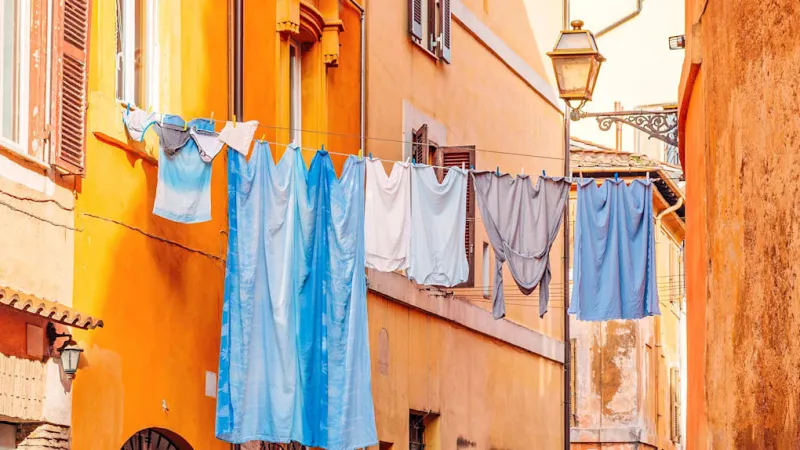
Rome, Italy, has for millennia captivated imaginations, solidifying its status as the quintessential urban ideal that profoundly enriches even the most mundane daily experiences. The Eternal City maintains its unparalleled radiance today, drawing visitors and residents alike into a tapestry woven from ancient grandeur and vibrant contemporary life.
For thousands of years, Rome has served as a benchmark for urban development and cultural flourishing. Its very name evokes empires, artistic mastery, and a relentless pursuit of beauty. This enduring legacy is not confined to history books but actively breathes through its streets and squares.
The city offers a unique dichotomy: it invites profound engagement with its world-renowned museums and majestic palazzi, yet also beckons individuals to simply wander, to absorb its essence without a fixed itinerary. This fluid experience allows for personal discovery beyond conventional tourism.
From the Vatican Museums, housing masterpieces like the Sistine Chapel, to the Borghese Gallery with its Bernini sculptures, Rome presents an unrivaled collection of artistic and historical treasures. Grand imperial forums, ancient Roman baths, and the iconic Colosseum stand as stark reminders of its foundational power and architectural innovation.
Beyond these monumental sites, the true spirit of Rome often emerges in its unassuming moments. A morning cappuccino in a bustling piazza, a leisurely stroll through a cobblestone alley, or the vibrant chatter emanating from a local trattoria transform ordinary activities into memorable cultural encounters.
The foundations of Western civilization find deep roots in Rome. The Pax Romana, the innovations in law and engineering, and the sheer administrative prowess of the Roman Empire continue to influence global societies. This historical depth provides an omnipresent backdrop, making every street a journey through time.
Following its ancient glory, Rome became a crucible for the Renaissance and Baroque movements, birthing works that defined epochs. The intricate fountains of Bernini, the frescoes of Michelangelo, and the architectural symmetry of countless churches and civic buildings collectively tell a story of artistic evolution and spiritual ambition.
The citys allure transcends its physical structures. The golden light that bathes its ochre buildings at dusk, the ubiquitous scent of espresso and pine, and the cacophony of scooter engines mingling with church bells create an immersive sensory experience. This intangible atmosphere contributes significantly to its perceived idealism.
Even the most mundane aspects of daily life in Rome are infused with a certain grace. A walk to the market, a bus ride past ancient ruins, or an evening passeggiata become opportunities for contemplation and aesthetic appreciation. This ability to elevate the commonplace into something refined is central to its enduring charm.
In an era of rapid change, Rome stands as a testament to the enduring power of history, art, and human spirit. It remains a singular destination where the past and present coalesce seamlessly, perpetuating its status as a city that not only defines ideals but also profoundly ennobles human experience.