Angel Doris
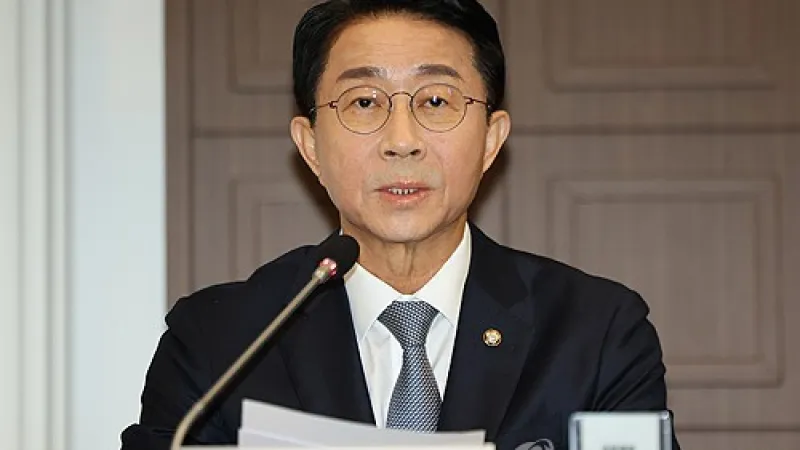
SEOUL, Nov. 11, 2026 – National Assembly Speaker Cho Jeong-sik today pledged an assertive drive toward constitutional revision, a move poised to reshape South Koreas political landscape. Simultaneously, the Speaker definitively stated that a prominent political figure, identified only as Lee, would not seek a second term under any proposed new constitutional framework.
The significant announcement, delivered from the nations capital, sets the stage for a potentially transformative period in South Korean governance. Speaker Cho emphasized the imperative for modernizing the foundational legal document to better reflect contemporary societal needs and democratic aspirations.
While details regarding the specific articles slated for amendment remain forthcoming, the Speakers declaration about Lee introduces an immediate point of intense political discussion. This statement effectively signals a major shift in the prospective electoral landscape for future presidential contests.
Observers widely interpret Speaker Cho’s remarks as a direct challenge to the status quo and a clear intent to address long-standing debates about presidential powers and term limits. The timing of this initiative, in late 2026, positions it centrally within the ongoing political discourse leading up to future national elections.
The push for constitutional revision often stems from a desire to balance governmental branches more effectively, introduce new rights, or adapt the electoral system. Previous attempts at such reforms have frequently encountered significant political hurdles, highlighting the gravity of Speaker Cho’s commitment.
Experts suggest that any proposal to amend the constitution would necessitate broad cross-party consensus to succeed. The political figure referred to as Lee is understood to be a significant player whose potential re-eligibility has been a subject of considerable speculation within political circles.
Speaker Cho underscored that the constitutional revision process would be meticulous, transparent, and inclusive of diverse viewpoints. The goal, he asserted, is not merely to alter clauses but to foster a more robust and resilient democratic system for the republic.
The implications of such a revision extend beyond domestic politics, potentially influencing South Koreas geopolitical standing and economic stability. A more stable and clearly defined political structure could enhance investor confidence and fortify international partnerships. As the South Korean finance chief urged vigilance earlier this year on the aftermath of United States midterms, political stability at home remains a key concern. You can read more about it here: South Korean Finance Chief Urges Vigilance on U.S. Midterms Aftermath.
Historical precedents show that constitutional changes often emerge from periods of intense political debate or national consensus-building. The Speakers current initiative aims to preempt potential future gridlock by proactively addressing structural issues within the governance framework.
Furthermore, the National Assembly will likely initiate public consultations and expert forums to gather input on proposed amendments. This phase is critical for building public trust and ensuring that the final draft genuinely reflects national sentiment rather than partisan interests.
The announcement has already stirred considerable commentary among political analysts, who are dissecting the potential motivations and strategic timing behind Speaker Cho’s pronouncement. Many anticipate spirited debates both within the National Assembly and across the broader public sphere.
The process of constitutional amendment in South Korea typically requires a two-thirds majority vote in the National Assembly, followed by a national referendum. This rigorous procedure ensures that any changes to the nations supreme law have substantial public and legislative backing.
Speaker Cho’s bold stance signifies a determined effort to navigate the complex path of national reform. The coming months will be crucial in determining the trajectory and eventual outcome of this significant undertaking, defining key aspects of South Koreas future political leadership.