 Angela Stefani
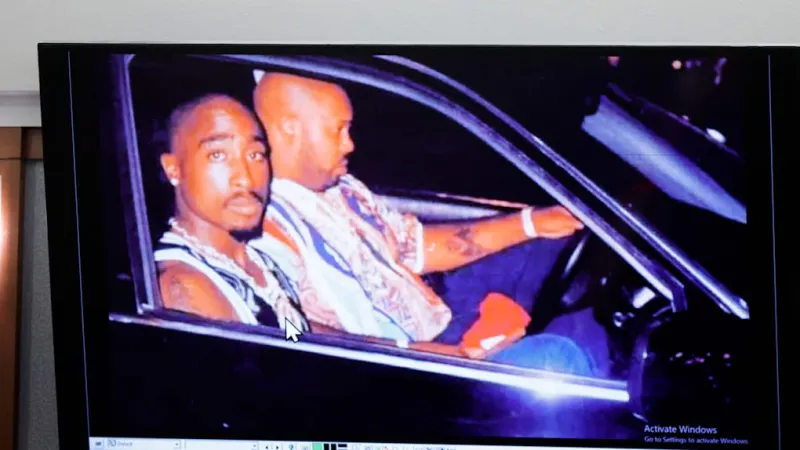
LAS VEGAS — Thirty years after the shocking assassination of hip-hop icon Tupac Shakur, a landmark trial has commenced, finally bringing a suspect before the court. Duane Keith Davis, widely known as Keffe D, stands accused of orchestrating the drive-by shooting that claimed the rapper's life in September 1996. The proceedings began with dramatic testimony from an eyewitness, whose account of the fateful night immediately set the stage for a contentious legal battle between prosecutors and defense attorneys over the veracity of long-held claims.
The courtroom in Las Vegas, Nevada, was packed as the prosecution opened its case, asserting that Davis, a self-proclaimed former gang leader, provided the firearm used in the killing and was present in the vehicle from which the shots were fired. This trial marks a pivotal moment, representing the first time anyone has faced charges directly related to Shakur's murder, a case that has remained a cold file for decades, fueling countless theories and public fascination.
A key component of the prosecution's strategy centers on the testimony of a woman who was reportedly in the car with Davis and the alleged shooter on the night of September 7, 1996. During her emotional testimony, she recounted the escalating tension that preceded the shooting, stating, "Then all hell broke loose," as the fatal shots rang out. Her detailed recollection offers a direct link to the immediate aftermath of the incident.
Prosecutors contend that Davis's own past admissions, including statements made in interviews and a memoir, directly implicate him in the conspiracy to murder Shakur. They argue that Davis sought revenge for an earlier altercation involving Shakur and his nephew, painting a picture of premeditated violence rooted in gang rivalries.
Conversely, the defense has launched a vigorous challenge to the prosecution's narrative, asserting that much of the evidence presented is either circumstantial or derived from unreliable sources. Defense attorneys claim that Davis's public statements were largely embellishments for financial gain and that no credible, independent evidence definitively places him at the scene as a direct participant in the shooting. They aim to dismantle the witness testimony and discredit the prosecution's interpretations of events.
The shooting occurred on the bustling streets of Las Vegas following a Mike Tyson boxing match at the MGM Grand. Shakur, along with Death Row Records CEO Suge Knight, was leaving the event when their car was targeted in a drive-by attack. Shakur sustained multiple gunshot wounds and succumbed to his injuries six days later at the age of 25. The crime sent shockwaves through the music industry and the nation.
For three decades, the absence of an arrest and trial has been a source of immense frustration for Shakur's family, fans, and law enforcement alike. This trial not only seeks to bring justice for Shakur but also aims to close one of the most infamous unsolved murder cases in American popular culture. The world watches keenly as new details emerge from the long-shrouded events of that night.
Prosecuting a cold case of this magnitude presents significant challenges. Memories fade, potential witnesses become unavailable, and evidence can degrade over time. The prosecution must rely heavily on re-examining existing evidence, integrating new technologies where possible, and strategically using the defendant's alleged admissions against him, a task that demands meticulous legal groundwork.
Tupac Shakur remains one of the most influential and celebrated figures in hip-hop history. His music, often socially conscious and deeply personal, continues to resonate with millions globally. His untimely death at the peak of his career cemented his legendary status, making the pursuit of justice for his murder a matter of profound cultural importance.
The commencement of the trial has reignited public interest and media scrutiny, drawing comparisons to other high-profile, long-unresolved criminal cases. Social media platforms are abuzz with discussions, analyses, and renewed speculation, reflecting the enduring impact of Shakur's life and death. The verdict will undoubtedly be a defining moment in the narrative surrounding the artist.
The legal complexities of this case are substantial. Lawyers on both sides are navigating issues of witness credibility, the admissibility of decades-old statements, and the intricate web of circumstantial evidence. The outcome could set a precedent for how cold cases, particularly those involving public figures, are handled in future prosecutions.
While this trial focuses specifically on the murder of Tupac Shakur, it underscores the persistent challenges faced by law enforcement in resolving complex criminal investigations. The pursuit of justice, even decades later, highlights the commitment to accountability for violent crimes. The broader implications of gang violence and its aftermath are also subtly brought to the forefront by these proceedings, mirroring concerns seen in other homicide investigation worldwide.
As the trial progresses, both sides are expected to call additional witnesses and present forensic evidence to support their respective arguments. The defense will likely emphasize the lack of direct physical evidence connecting Davis to firing the weapon, while the prosecution will press on the alleged conspiracy. The path to a verdict promises to be a long and arduous one, demanding close attention from all involved.