 Robert Andrison
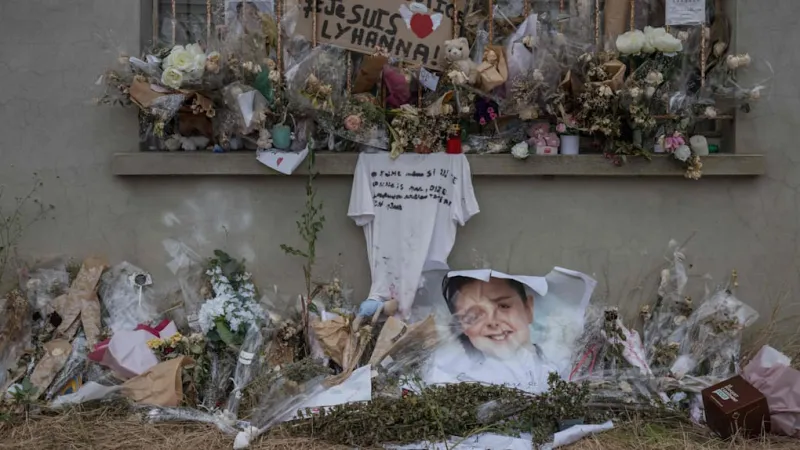
FRANCE – Forensic investigators have confirmed that 11-year-old Lyhanna, whose death ignited widespread indignation across France, was subjected to sexual assault, according to new autopsy findings released this week. While the post-mortem examination conclusively established rape, the precise cause of the young girl's demise has yet to be determined, deepening the mystery surrounding the tragic incident.
The revelation from the autopsy has intensified public outcry in a case that has gripped the nation since news of Lyhannas death first emerged. Authorities had previously launched an investigation into the circumstances surrounding the childs untimely passing.
Law enforcement officials, speaking on condition of anonymity due to the ongoing sensitive nature of the inquiry, indicated that the forensic report marks a significant, albeit harrowing, development. The confirmation of sexual assault adds a grave new dimension to an already distressing situation.
Public reaction has been swift and severe, with many citizens expressing profound shock and sorrow over the brutal details now coming to light. Vigils and demonstrations have been held in various French communities, calling for justice for Lyhanna and demanding swift action from judicial authorities.
The initial reports of Lyhannas death had already prompted a national conversation about child safety and the prevalence of violence against vulnerable individuals. This latest development only serves to amplify those urgent concerns.
Investigators are reportedly pursuing all available leads to identify those responsible for the heinous crime. The lack of a conclusive cause of death presents a complex challenge, requiring meticulous analysis of all evidence gathered at the scene and during the subsequent examination.
Experts in forensic pathology suggest that determining the exact cause of death without clear physical trauma or toxicological findings can be protracted and difficult. This uncertainty underscores the methodical and thorough approach law enforcement must adopt.
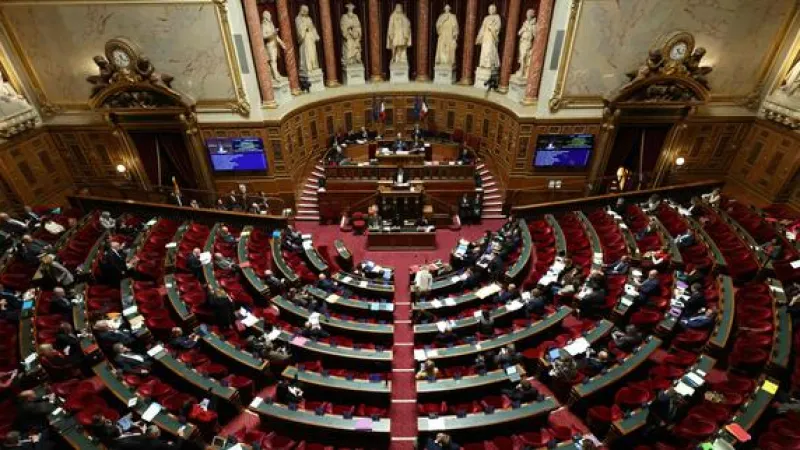
The French judicial system is now under considerable pressure to bring clarity and accountability to Lyhannas case. The public, through both traditional and social media, is closely monitoring every development, reflecting the deep emotional investment in this tragedy.
This case draws stark parallels to other high-profile incidents involving young victims that have previously sparked national debate and outrage within France. Each new detail reignites the collective demand for enhanced protective measures for children.
For further context on the initial unfolding of this tragic event and the initial public response, readers can refer to our earlier report: French Girl's Tragic Death: Autopsy Confirms Rape, Outrage Grows. The current findings significantly alter the trajectory of the investigation detailed there.
Community leaders and child advocacy groups have reiterated their calls for comprehensive strategies to prevent such atrocities. They emphasize the need for societal vigilance and robust support systems for victims of violence.
The identity of Lyhannas family is being protected, allowing them space to grieve in privacy while navigating the complexities of the investigation. Their anguish is undoubtedly compounded by these new, disturbing revelations.
As the investigation continues, authorities urge anyone with pertinent information to come forward, emphasizing the critical role public assistance can play in resolving such intricate cases. The collective effort is paramount to securing justice.
The profound impact of Lyhannas case extends beyond local borders, resonating with international organizations dedicated to childrens rights and the prevention of sexual violence. This tragedy serves as a grim reminder of ongoing global challenges.
The judicial process will likely be extensive, with prosecutors building a robust case based on the forensic evidence and any additional information uncovered. The focus remains on identifying perpetrators and ensuring they are held fully accountable under French law.