 Angela Stefani
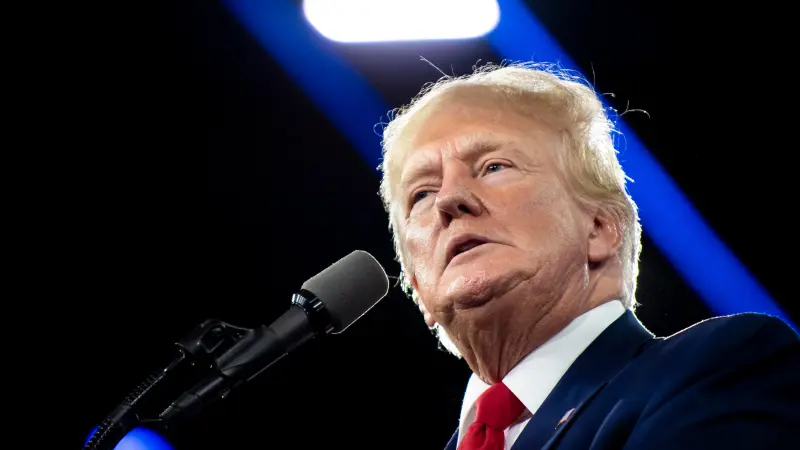
WASHINGTON — The Trump administration has unveiled a comprehensive proposal to mandate government-wide Non-Disclosure Agreements (NDAs) for all federal employees and contractors across every agency, a move officials say aims to curb unauthorized disclosures and protect sensitive national security information.
The White House initiative, currently under review, seeks to standardize confidentiality protocols, extending beyond classified material to potentially encompass internal policy discussions, strategic planning documents, and unreleased executive branch communications. This action comes amidst ongoing concerns within the administration regarding leaks to the media and the broader public.
Administration officials, speaking on background, emphasized that the proposed NDAs are a critical measure to ensure the integrity of government operations and safeguard national interests. They contend that a unified framework will prevent damaging revelations that could compromise security, diplomatic efforts, or ongoing investigations.
However, the proposal has ignited immediate apprehension among civil liberties advocates, media organizations, and former government ethics officials. Critics argue such a sweeping mandate could stifle legitimate whistleblowing, suppress dissenting viewpoints within agencies, and create an opaque environment detrimental to public accountability.
Lena Thompson, Executive Director of the Government Transparency Project, stated, “This administration consistently seeks to control the flow of information. Instituting government-wide NDAs could have a chilling effect on employees’ willingness to report waste, fraud, or abuse, effectively walling off the public from critical insights into how their government operates.”
President Donald Trump has frequently expressed frustration over unauthorized disclosures throughout his presidency, often lambasting what he terms the “deep state” and demanding stricter internal controls. This latest proposal appears to be a direct response to those long-standing grievances, seeking a systemic solution.
The specific language of the proposed agreements reportedly includes stringent penalties for violations, ranging from administrative disciplinary actions up to criminal prosecution, depending on the nature and sensitivity of the disclosed information. Legal experts are scrutinizing whether these provisions align with existing federal statutes governing classified information and whistleblower protections.
Sources close to the deliberations indicate the new NDAs would supplement, not replace, existing secrecy agreements for classified information, extending confidentiality obligations to a much broader spectrum of non-classified but sensitive governmental data. This expansion is a key point of contention.
Congressional reaction remains divided. While some Republican lawmakers have expressed support for measures to bolster national security, Democratic leaders have signaled intentions to scrutinize the proposal closely, raising questions about its potential impact on First Amendment rights and government oversight.
Critics also point to the psychological impact on federal workers, suggesting that an omnipresent NDA could foster an atmosphere of distrust and discourage open communication within agencies, potentially hindering effective policymaking and internal accountability mechanisms.
The administration maintains that a responsible and unified approach to internal communications is paramount for effective governance, particularly in a complex global environment requiring strategic discretion. They stress that the goal is not to suppress legitimate discourse but to ensure controlled and authorized information dissemination.
As the debate continues, the future of the proposed government-wide NDAs remains uncertain, poised to become another flashpoint in the ongoing struggle between government transparency and executive branch control over information in President Trump's second term.