 Robert Andrison
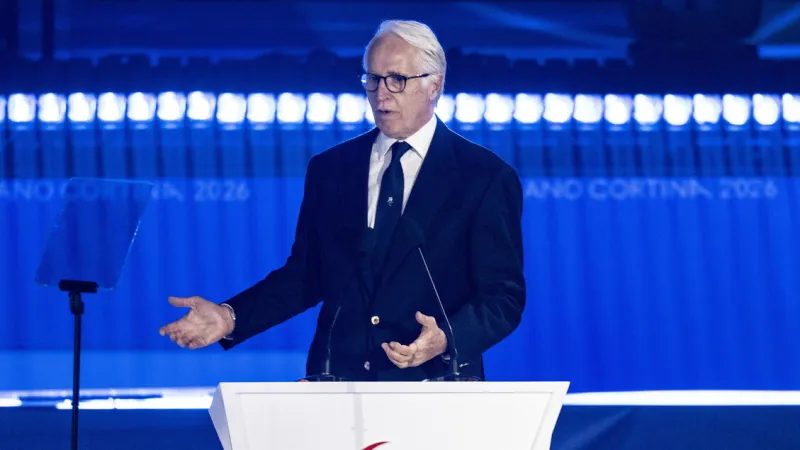
ROME – Giovanni Malagò, the influential former president of the Italian National Olympic Committee (CONI), today secured the vital green light from the National Anti-Corruption Authority (Anac), effectively clearing his path to contend for the presidency of the Italian Football Federation (FIGC). This pivotal decision arrives just days before the highly anticipated election scheduled for Monday, injecting a new dynamic into the leadership contest for Italian footballs governing body.
Reacting to the favorable ruling, Malagò expressed a sense of vindication. "I was certain; now everyone judges what happened," he stated, indicating confidence in his eligibility throughout the rigorous review process. His comments underscore the scrutiny that has surrounded his candidacy and the broader governance of national sports federations.
Anac's intervention was necessitated by specific regulations concerning potential conflicts of interest and the eligibility of individuals holding or having recently held prominent roles within public or publicly funded entities. Given Malagòs distinguished tenure at CONI, a body with significant oversight of Italian sports, the anti-corruption watchdog meticulously examined his suitability.
The FIGC presidency is a critical position, overseeing all aspects of professional and amateur football in Italy, from the national team's performance on the global stage to the integrity of its domestic leagues. The election comes at a time when Italian football faces numerous challenges, including financial sustainability, infrastructure development, and maintaining competitiveness in international competitions.
Malagòs candidacy brings a wealth of experience and a robust network within the Italian and international sports landscape. During his leadership at CONI, he was credited with steering various sports federations through periods of reform and enhancing Italy's presence in Olympic movements. His supporters argue this background makes him uniquely qualified to address the complex issues facing the FIGC.
The Anac review highlights the increasing emphasis on transparency and ethical governance within Italian public and semi-public bodies. Instances of past controversies within sports administration have spurred stricter regulatory oversight, aimed at restoring public trust and ensuring fair play beyond the field.
With Malagò now officially in the running, Monday's vote is expected to be a closely watched event. Delegations representing professional clubs, amateur associations, and players will cast their ballots, determining the future direction of Italian football. The outcome could significantly impact policy decisions regarding Serie A, youth academies, and the national team's trajectory towards future major tournaments.
The quest for renewed leadership often correlates with ambitions on the international stage. For instance, teams like Switzerland and the Czech Republic have recently faced significant challenges in their respective World Cup hopes, underscoring the high stakes involved in national federation leadership and its direct impact on team performance and national pride.
Similarly, the Czech team's struggles in World Cup qualification have often been attributed to underlying systemic issues that a strong, visionary leadership could potentially address. The FIGC, under its new president, will be tasked with avoiding similar pitfalls and steering Italy toward consistent success.
Beyond football, the Anac ruling and the upcoming FIGC election resonate across the entire spectrum of Italian sports. It reinforces the principle that even the most influential figures must conform to the stringent ethical and legal frameworks designed to prevent conflicts and ensure impartial governance. This adherence to protocol is vital for the credibility of all national federations.
Whoever emerges victorious on Monday will inherit a complex mandate. Key challenges include navigating the financial strains faced by many clubs, modernizing stadiums, investing in grassroots development, and potentially reforming the league structure to enhance competitive balance. These tasks require not only administrative acumen but also a deep understanding of the sport's cultural significance in Italy.
The Anac's clearance of Malagò marks a significant moment in the FIGC presidential campaign. As stakeholders prepare for the decisive vote, the focus shifts to the candidates platforms and their visions for propelling Italian football into a new era of success and integrity.