 Chandra Wijayanto
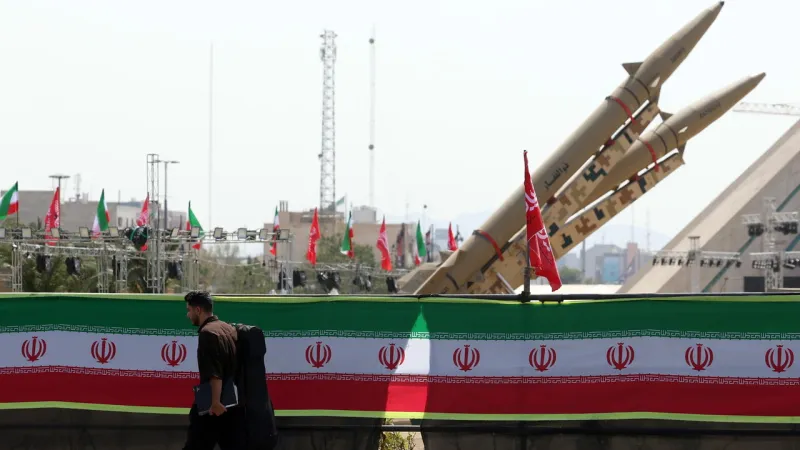
Qeshm, Iran, experienced extensive overnight US military raids, which Washington stated were a direct response to attempted attacks against American forces in the region. Iranian state media reported at least three fatalities in the city of Qeshm following the strikes, as President Donald Trump issued a stark warning that the United States would “finish Iran very soon.”
The Pentagon confirmed the precision strikes targeted infrastructure and assets used by Iranian forces and their proxy groups, asserting the operations were conducted in self-defense. This action marks a significant escalation in the ongoing tensions between the two nations, particularly in the critical Strait of Hormuz corridor.
Details emerging from Tehran indicated that the casualties in Qeshm were civilians, a claim vehemently denied by US officials who maintained that all targeted sites were legitimate military objectives. The Iranian Foreign Ministry condemned the attacks as an act of state terrorism and a violation of international law, promising a decisive response.
President Trump, speaking from the White House, reinforced his administration's firm stance. “We have been patient, but patience has its limits. We will finish Iran very soon,” he declared, signaling a potential shift towards more aggressive military intervention if provocations persist. His remarks underscore a policy aimed at deterrence through overwhelming force.
The raids transpired amidst heightened regional instability, following a series of incidents that US intelligence attributed to Iranian-backed militias targeting American interests and personnel across the Middle East. These alleged aggressions have progressively frayed diplomatic ties and increased military readiness in the Persian Gulf.
Analysts suggest the timing of these raids, described as robust, indicates Washingtons determination to re-establish a clear red line after what it perceives as consistent Iranian encroachment on regional security. The strategic importance of Qeshm, an island in the Strait of Hormuz, makes any military action there particularly sensitive.
The international community has reacted with mixed concern, with some allies urging de-escalation while others quietly supported the US posture. The United Nations Secretary-General called for restraint from all parties, warning of the catastrophic implications of a broader conflict in an already volatile region.
This latest confrontation follows a period of heightened tensions between Washington and Tehran, echoing previous incidents, including a significant response when Iran attacked Jordan, leading to a strong US-Saudi axis response and further vows of action from President Trump.
Energy markets reacted immediately, with global oil prices showing an upward trend as investors assessed the potential for supply disruptions from the Middle East. The Strait of Hormuz is a crucial chokepoint for global oil shipments, making any conflict there a global economic concern.
The Defense Department stated it acted with careful consideration to minimize collateral damage, employing advanced targeting technologies. However, the reported civilian deaths by Iranian authorities will likely fuel further international scrutiny and deepen the diplomatic chasm between the two adversaries.
In the aftermath of the raids, Iranian Revolutionary Guard Corps officials announced increased patrols and surveillance in the Persian Gulf, signaling a readiness to defend their sovereignty. The immediate future of the region appears precariously balanced on the edge of further military engagement.
Diplomatic channels, though strained, remain nominally open, with intermediaries reportedly working behind the scenes to prevent a full-scale war. However, the strong rhetoric from both sides makes any swift resolution appear challenging. The world watches for the next move in this high-stakes geopolitical chess match.
President Trump's administration has consistently prioritized a strong stance against perceived Iranian aggression, a policy that has seen both praise for its firmness and criticism for its potential to ignite wider conflicts. This latest action firmly underscores that approach.
The strategic implications extend beyond immediate military reprisal, touching upon global alliances, the future of the nuclear deal, and the balance of power in the Middle East. Each strike and counter-response reshapes the geopolitical landscape in profound ways.
As daylight broke over the Persian Gulf, the full extent of the damage and the long-term consequences of these overnight US raids on Iran began to emerge, casting a long shadow over hopes for regional stability.