 Debby Wijaya
Regional stability fractured this week as Iran launched an attack in Jordan, prompting a swift and forceful response from the US-Saudi alliance in Iraq. These actions follow a drone strike on an American oil tanker in Egypt and Tehran's rejection of a crucial Omani diplomatic overture concerning the Strait of Hormuz, igniting a furious condemnation from President Donald Trump.
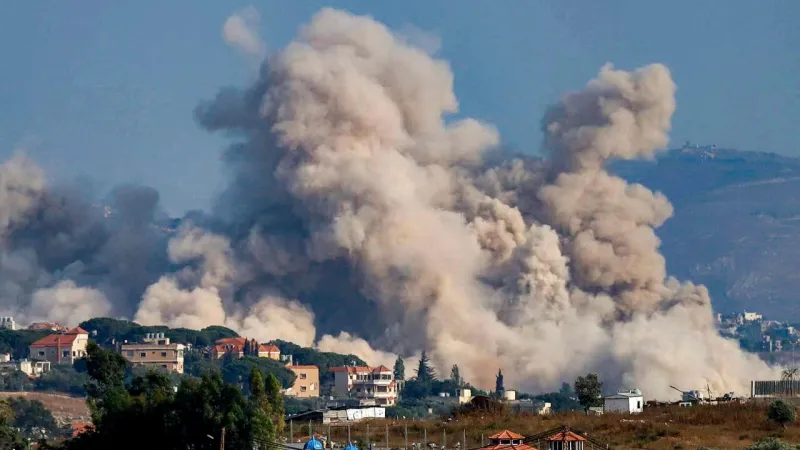
The specific nature of Iran's aggression in Jordan remains under intense scrutiny, with initial reports suggesting an infiltration attempt or missile launch targeting military installations. This marked a significant escalation, directly challenging the sovereignty of a key regional partner aligned with Western interests.
In response, the US-Saudi alliance initiated retaliatory operations within Iraq. While details of these strikes are still emerging, sources indicate a concerted effort to target Iranian-backed militia assets believed to be linked to recent destabilizing activities across the Middle East.
President Donald Trump, speaking from the White House, unequivocally denounced Iran's actions, stating, "Iran's provocations will not be tolerated. We will defend our allies and our interests with overwhelming force." The President's remarks underscore the gravity with which Washington views the latest surge in regional hostilities, echoing sentiments expressed in reports like Trump Vows Massive Retaliation Against Iran As Truce Collapses.
Adding another layer to the crisis, a drone suspected to be of Iranian origin struck an American oil tanker off the coast of Egypt. The incident, which caused minor damage but no casualties, highlights the persistent threat to international shipping lanes and energy infrastructure in the region, particularly near the Suez Canal.
Concurrently, Tehran's rejection of an Omani-brokered proposal aimed at de-escalating tensions in the Strait of Hormuz has further dampened hopes for a diplomatic resolution. The proposal reportedly sought to establish new security protocols and guarantees for maritime passage, a critical artery for global oil supplies.
The Strait of Hormuz holds immense strategic importance, with approximately one-fifth of the world's total oil consumption passing through its narrow waters. Iran has historically threatened to close the strait, a move that would have catastrophic implications for the global economy.
These events unfold against a backdrop of increasing regional instability. Analysts suggest Iran's actions are a deliberate test of resolve for the US and its allies, potentially aimed at asserting dominance in a shifting geopolitical landscape.
International bodies and several world leaders have called for immediate de-escalation and a return to diplomatic channels. However, the latest series of events appears to have hardened positions on all sides.
This current flashpoint echoes past confrontations where Iranian actions have drawn stern warnings and counter-responses from the US and its regional partners, including Saudi Arabia and Jordan. The region has long grappled with proxy conflicts and direct military skirmishes.
Beyond the immediate military concerns, the escalating tensions carry significant economic ramifications. Global oil prices have seen volatility, reflecting market anxieties over potential supply disruptions from the Middle East.
Observers anticipate President Trump's administration will weigh a range of options, from intensified sanctions to further military posturing, as it seeks to deter future Iranian aggression and protect American interests. The coming days will be critical in determining the trajectory of this volatile situation.
The coordinated response from the US-Saudi axis signifies a strengthened alliance dedicated to countering perceived Iranian threats. This partnership remains a cornerstone of regional security strategies for Washington.
Oman, traditionally a neutral mediator, has played a crucial role in past attempts to bridge diplomatic gaps between Tehran and Western powers. Its recent rejected proposal underscores the current difficulty in finding common ground.
Jordan, typically a stable nation in a turbulent region, finds itself directly impacted by the Iranian aggression. Similarly, Iraq continues to be a battleground for regional proxy forces, caught between competing interests.
Both the US and its regional allies maintain high levels of military readiness, with significant naval and air assets deployed in the Arabian Gulf and surrounding areas, capable of rapid response to threats.
Concerns about global energy security persist, particularly given the drone attack on an oil tanker and the ongoing impasse over the Strait of Hormuz, which could disrupt crucial oil flows.
The international community watches closely as the geopolitical chess game unfolds, with the imperative for de-escalation becoming more urgent with each new development.