 Angel Doris
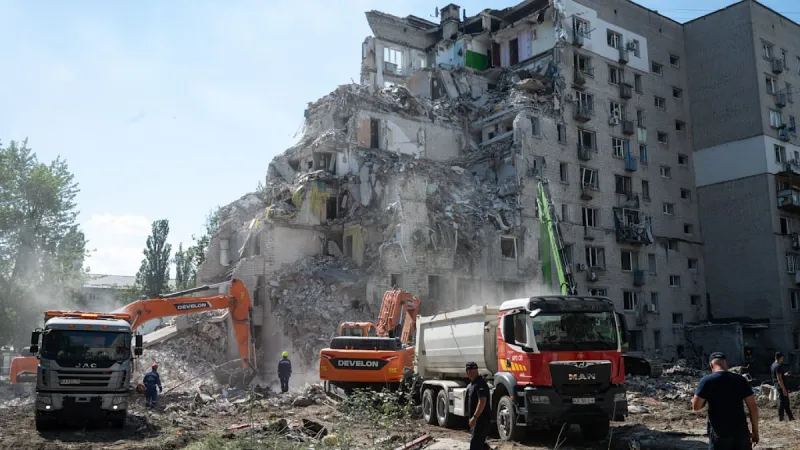
Following a devastating Russian missile barrage on Kyiv that claimed over 20 lives, Ukrainian President Volodymyr Zelenskyy has intensified his urgent appeal for the establishment of a domestic Patriot missile production facility. This presidential demand underscores a strategic shift toward self-sufficiency in critical air defense, aiming to provide Ukraine with the indispensable means to protect its citizens and infrastructure against ongoing aggression.
The recent assault on the Ukrainian capital marked one of the conflict’s deadliest, highlighting the urgent need for robust and reliable air defense capabilities. The sheer scale and precision of the attack inflicted widespread damage and civilian casualties, as detailed in reports like Kyiv Endures Heaviest Attack: Over 20 Dead, Buildings Razed, fueling Zelenskyy's resolve.
President Zelenskyy articulated his position plainly, emphasizing that to truly protect lives across Ukraine, the nation requires its own production of sophisticated defensive weaponry. This statement suggests a recognition that relying solely on international aid, while crucial, presents inherent logistical and geopolitical vulnerabilities.
The Patriot missile system, a highly advanced surface-to-air guided missile system, has proven invaluable in intercepting Russian ballistic and cruise missiles. Its deployment significantly enhances Ukraine’s ability to defend strategic targets and population centers, but the supply chain remains largely external.
Currently, Ukraine depends heavily on its international partners, primarily the United States and Germany, for the provision and maintenance of these complex systems and their expensive interceptor missiles. This dependency means that the pace of deployment and replenishment is dictated by donor nations' capacities and political will.
Establishing a domestic Patriot missile production capability presents an immense undertaking, fraught with technical, financial, and logistical challenges. It would necessitate significant technology transfer, the development of specialized manufacturing infrastructure, and the training of a highly skilled workforce, all under active wartime conditions.
Such a venture would likely require unprecedented cooperation from Patriot system manufacturers and allied governments. Nations like the United States, given its role as the system’s originator, and Germany, a key operator and supplier, would be critical facilitators in any such technology-sharing or co-production agreement.
The financial implications are staggering. The cost of developing and sustaining a high-tech defense manufacturing base, coupled with the ongoing expenses of the war, would place an extraordinary burden on Ukraine’s national budget. This underscores the need for continued, robust international financial support.
President Zelenskyy's push for indigenous production represents a long-term vision for Ukrainian national security, moving beyond immediate battlefield needs to establish sustainable defensive independence. It is a strategic pivot designed to secure Ukraine's future sovereignty and deter future aggression.
This initiative also carries significant geopolitical weight. A self-reliant Ukraine, capable of producing its own advanced air defense systems, would fundamentally alter the strategic balance in Eastern Europe, potentially prompting varied reactions from both allies and adversaries.
While Patriot missiles are central to this discussion, Ukraine also fields and seeks other air defense solutions, ranging from NASAMS to older Soviet-era systems. However, the Patriot's proven effectiveness against sophisticated ballistic threats makes its domestic production a particularly high priority.
The ultimate goal remains clear: to safeguard Ukrainian lives and critical infrastructure from relentless aerial assaults. President Zelenskyy's call is a testament to the nation's resolve to control its own destiny and secure its skies through a sustained, self-sufficient defense industry.