 Robert Andrison
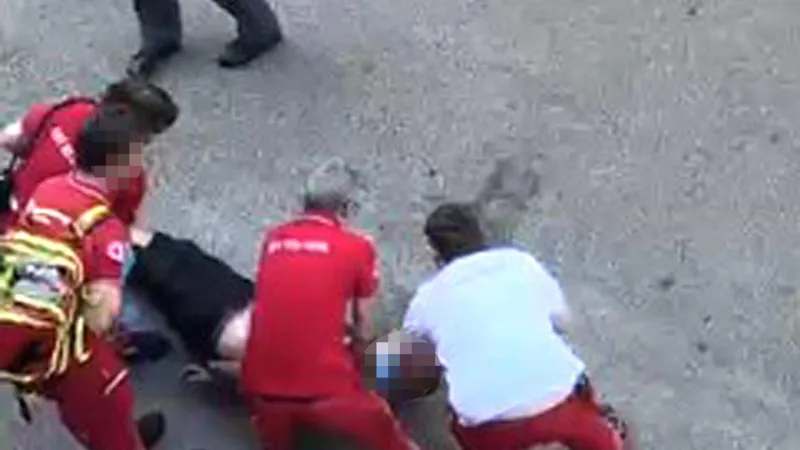
ROME – An autopsy performed on Fakir, whose death occurred under police scrutiny, has revealed substantial internal trauma, including blood in the lungs and evidence of crushing. These findings emerge as police officials staunchly defend the actions of the two officers involved, asserting no violent force was used. Concurrently, Minister Piantedosi has publicly affirmed the correctness of law enforcement conduct based on video evidence, while announcing the imminent deployment of 5,000 new bodycams for police forces nationwide.
The forensic examination into Fakir’s passing points to critical injuries that demand thorough investigation. The presence of blood in the lungs and indications of crushing suggest significant physical impact, raising immediate questions about the circumstances surrounding the individual's death. This detailed medical assessment forms a pivotal component of the ongoing inquiry.
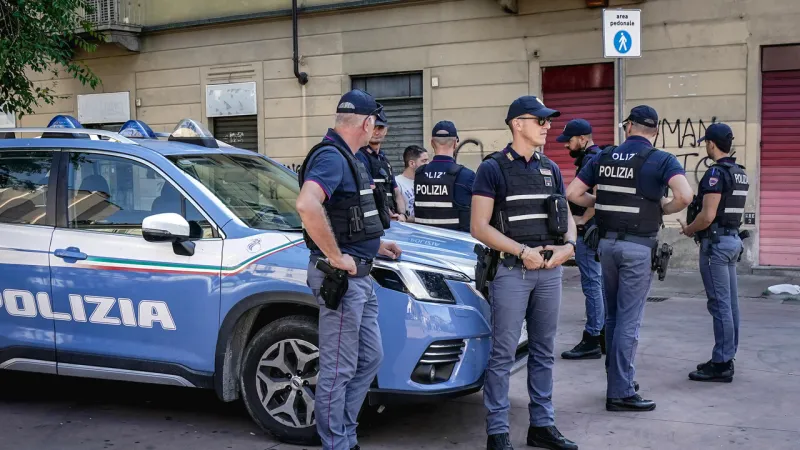
In response to the preliminary autopsy revelations, legal representatives for the two police officers implicated in the incident issued a robust defense. Their statement unequivocally asserts that the officers engaged in no violent action against Fakir, maintaining that their conduct adhered strictly to established protocols and procedures during the encounter.
Adding a ministerial perspective to the unfolding events, Minister Piantedosi commented on the incident, stating that video footage reviewed so far supports the professionalism and adherence to proper procedures by the police personnel involved. This declaration underscores the government's stance amidst increasing public interest and scrutiny.
The incident involving Fakir, though specific details of the initial confrontation remain under wraps pending official reports, has intensified public discourse on police accountability and the use of force. Such cases often become flashpoints for broader conversations about civil liberties and law enforcement practices in a democratic society.
A crucial element of the government's response is the planned rollout of 5,000 new bodycams across various police units. This technological upgrade is touted as a significant step towards enhancing transparency and providing objective accounts of interactions between citizens and law enforcement officers.
The implementation of bodycams is widely considered a key tool in fostering greater trust between the public and police. Proponents argue that the visual and audio recordings can protect both civilians from potential misconduct and officers from false accusations, offering irrefutable evidence in contentious situations.
The gravity of the autopsy results necessitates a meticulous and impartial investigation into every aspect of Fakir’s death. Authorities are expected to integrate the forensic findings with witness testimonies, police reports, and any available video evidence to construct a comprehensive understanding of the event.
This incident draws parallels with other cases of individuals dying while in police custody or during law enforcement interventions, both domestically and internationally. The heightened focus on such occurrences often leads to demands for systemic reforms and improved training for officers.
The commitment to deploying 5,000 bodycams signals a proactive approach by the Interior Ministry to address concerns regarding police conduct. This initiative, while welcomed by many, also brings logistical challenges related to storage, data access, and ensuring the consistent application of usage policies.
Public confidence in the justice system hinges on the perceived fairness and thoroughness of investigations into contentious events. The transparency promised by Minister Piantedosi, coupled with the detailed forensic examination, aims to uphold this confidence.
The legal ramifications for the officers involved will largely depend on the final investigative conclusions, which will reconcile the autopsy findings with the operational narrative. The interplay between forensic science and procedural defense will be critical.