 Debby Wijaya
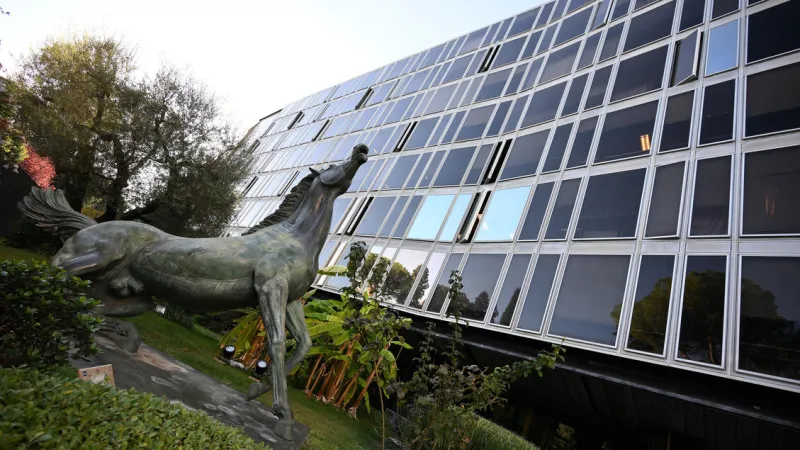
ROME – Italy's national public broadcaster, Rai, finds itself embroiled in significant controversy following its board of directors' recent approval of new leadership appointments and programming schedules. The contentious decisions, which included prominent assignments for key news positions, have drawn sharp criticism from political figures and media observers across the nation, reigniting debates over the broadcaster's editorial independence.
The board's session saw the nomination of Francesca De Martino to lead Rai Parlamento, the channel dedicated to parliamentary affairs, and Preziosi to a pivotal role at Tg2, one of Rai's primary news channels. These changes signal a potentially significant shift in the journalistic direction and coverage approach of critical segments within the public broadcasting giant.
Adding fuel to the fire, a prominent critic, identified as Floridia, publicly declared that a “red line” had been crossed. This statement underscores a deep-seated concern among opponents that the appointments represent an unacceptable level of political influence, potentially undermining the broadcaster's mandated impartiality and public service ethos.
Such pronouncements immediately intensified the political scrutiny surrounding Rai, a staple of Italian media and a powerful shaper of public discourse. The appointments are perceived by some factions as partisan moves designed to consolidate influence over the information landscape, particularly in the lead-up to future electoral cycles.
Rai, as Italy's state-owned public service broadcaster, operates under a unique mandate to provide independent, diverse, and impartial information to all citizens. Its governance and directorial choices frequently become battlegrounds for political parties, each vying for a favorable representation of their viewpoints.
The history of Rai is punctuated by recurrent controversies surrounding political interference in its management and programming. Critics argue that these latest appointments echo past patterns where governments in power have sought to exert control, leading to accusations of politicization and erosion of trust in the institution.
The specific roles assigned, particularly within Rai Parlamento and Tg2, are highly sensitive. Rai Parlamento serves as a direct window into the nation's legislative processes, while Tg2 is a widely watched news program. Control over these outlets offers considerable power in framing political narratives and shaping public opinion.
Opposition parties and media watchdog groups have vociferously condemned the board's decisions, calling for greater transparency and a renewed commitment to journalistic autonomy. They contend that the timing and nature of these appointments suggest an attempt to solidify a particular political agenda within the broadcaster's editorial lines.
This dispute over Rai appointments is part of a broader national conversation concerning the independence of public institutions in Italy. Similar debates have arisen in other sectors, such as the contentious leadership race within the Italian Football Federation, where the national anti-corruption authority, ANAC, weighed in. (See: Anac Clears Path for Malagò in Contentious FIGC Presidency Race)
The implications extend beyond internal HR decisions; they touch upon the very foundation of media freedom and pluralism in a democratic society. Ensuring that a public broadcaster remains unswayed by governmental pressures is paramount for maintaining a healthy and informed electorate.
The controversy promises to remain a contentious topic in Italian political and media circles, with calls for investigations and parliamentary debates likely to follow. The future editorial direction of Rai, and by extension, public discourse in Italy, now faces a critical inflection point as the nation grapples with the fallout from these hotly contested appointments.