Angela Stefani
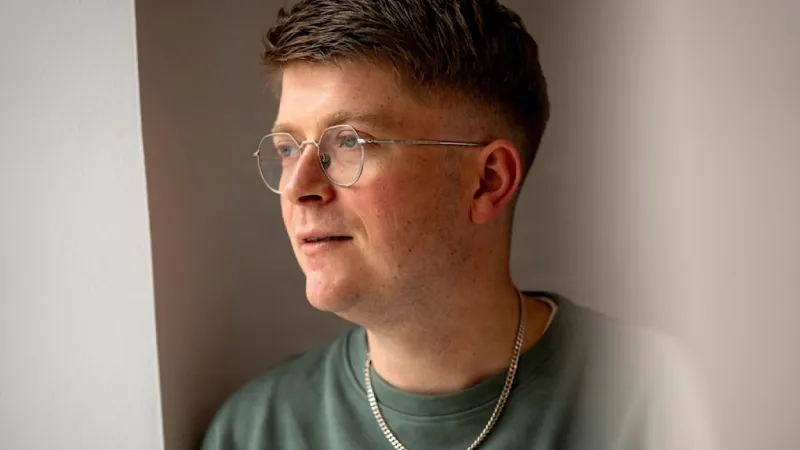
Copenhagen, Denmark – Danish comedian Rasmus Wallbridge became the unwitting subject of an elaborate, four-month-long television prank orchestrated by national broadcaster TV2, leading to significant public outrage and the network's swift decision to apologize and cancel the controversial series. The hidden camera format, which reportedly subjected Wallbridge to sustained deception and secret filming, drew widespread condemnation for what critics described as bullying of the worst sort.
Wallbridge was reportedly kept in the dark about the true nature of his involvement, believing he was participating in a legitimate production while being continuously manipulated and recorded without his informed consent. The series concept involved an extended deception designed to elicit specific reactions from the comedian over an extended period.
Details emerging from the scandal suggest the prank transcended typical comedic boundaries, with sources close to the production hinting at a systematic campaign of psychological pressure. This prolonged torment prompted many observers to label the initiative as deeply unethical and potentially harmful to the individuals involved.
The revelation sparked an immediate and intense public backlash across Denmark. Social media platforms buzzed with condemnation, and traditional media outlets questioned the ethical standards employed by one of the nation's leading broadcasters. Petitions and calls for accountability quickly gained traction among viewers and industry professionals alike.
Responding to the escalating criticism, TV2 issued a comprehensive apology, acknowledging the grave misjudgment in commissioning and producing the series. The network stated its commitment to reviewing internal protocols to prevent similar incidents in the future and pledged to uphold journalistic integrity.
As a direct consequence of the public outcry, TV2 promptly announced the permanent removal of the show from its programming schedule. The decision underscored the broadcaster's recognition of the severe ethical breaches involved and its intent to distance itself from the controversial format.
The incident has reignited discussions within the Danish media industry regarding the boundaries of entertainment, particularly concerning hidden camera programs and reality television. Industry watchdog groups and media ethicists are now closely scrutinizing the broader implications of such long-term, coercive productions.
While specific statements from Rasmus Wallbridge regarding his personal experience have not yet been widely disseminated, the nature of the deception suggests a potentially significant emotional and professional toll. Public sympathy has largely coalesced around the comedian, who was unknowingly subjected to a months-long ordeal.
This event sets a crucial precedent for media organizations, emphasizing the paramount importance of consent, transparency, and ethical conduct in all aspects of production. Broadcasters face increasing pressure to balance audience engagement with their fundamental responsibilities to participants and the public trust.
For TV2, the fallout represents a considerable challenge to its reputation. The network now faces the task of rebuilding trust with its audience and stakeholders, proving its commitment to responsible broadcasting practices moving forward in the year 2026.