 Debby Wijaya
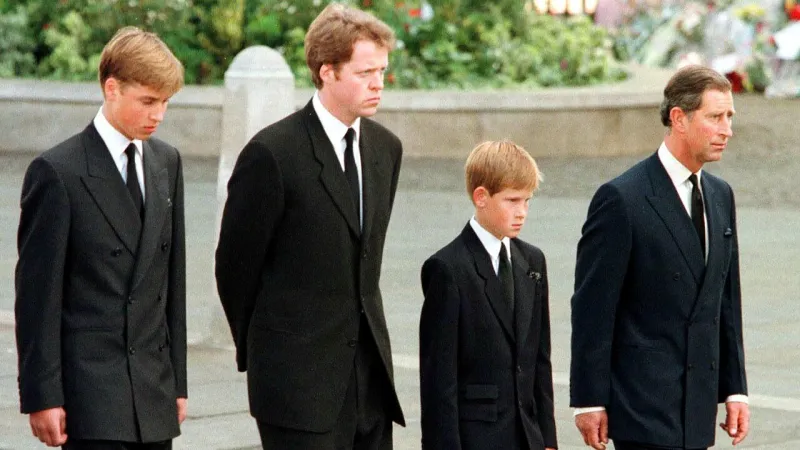
London, United Kingdom – Buckingham Palace has swiftly dismissed a fresh wave of explosive revelations originating from the brother of the late Princess Diana, Lord Charles Spencer, igniting a significant royal controversy that threatens to overshadow King Charles III's meticulously planned artificial intelligence forum. The burgeoning scandal, emerging from new public statements or writings by Lord Spencer, has forced the monarchy into a defensive posture, diverting crucial attention from its forward-looking initiatives on the global stage.
The precise nature of Lord Spencer's purported disclosures remains officially unspecified by the Palace, yet reports suggest they delve into deeply personal narratives concerning the late Princess of Wales and her tumultuous relationship with the royal institution. These alleged insights, coming decades after Diana's tragic passing, evoke persistent questions about the monarchy's past dealings and its public image.
Buckingham Palace issued a rare and emphatic statement, challenging the veracity of Lord Spencer's claims. While refraining from directly engaging with the specifics of the alleged revelations, the Palace underscored its commitment to protecting the privacy of the royal family and maintaining the dignity of the Crown. This robust denial signals the seriousness with which the institution views the latest challenge to its narrative.
The timing of these claims could scarcely be worse for King Charles III. His Majesty had convened a high-profile forum on artificial intelligence, bringing together leading global experts, policymakers, and tech magnates to discuss the ethical implications and future trajectory of AI. This initiative, designed to project the monarchy as a modern and engaged force in addressing pressing global issues, is now struggling to capture headlines.
Observers note that the enduring Diana's legacy continues to exert a powerful, sometimes destabilizing, influence on the British monarchy. Her life, public struggles, and tragic death cemented her place in popular culture, and any new details, particularly from close family, inevitably reignite public fascination and scrutiny. The specter of past controversies, often fueled by personal accounts, resurfaces with each new claim.
Lord Spencer has previously been outspoken regarding his sister's treatment by the royal family and the media. His eulogy at her funeral in 1997 remains a landmark moment, lauded by many for its emotional candor and its implicit critique of the establishment. These current revelations are viewed by some as a continuation of his long-standing role as a protector of Diana's memory.
Media outlets across the globe have seized upon the story, juxtaposing images of the King's AI forum with analyses of Lord Spencer's latest pronouncements. The public discourse, once focused on technological advancement and global policy, has now largely shifted to discussions of historical grievances and the intricate dynamics of the House of Windsor.
The Palace faces the delicate task of defending its position without inadvertently amplifying the very claims it seeks to discredit. Royal commentators suggest that the monarchy's strategy will involve a concerted effort to pivot public attention back to King Charles's official duties and the constructive work of the royal family.
However, managing such a narrative shift while a sensational story unfolds proves exceptionally challenging, particularly when it touches upon figures as iconic as Princess Diana. The episode underscores the delicate balance the monarchy must strike between tradition and modernity.
Ultimately, the controversy highlights that even as the monarchy navigates the complexities of the 21st century, the indelible mark left by Princess Diana continues to shape its present and challenge its future. The King's efforts to steer the institution toward new relevance are, for now, complicated by a past that refuses to remain silent.