 Dodi Irawan
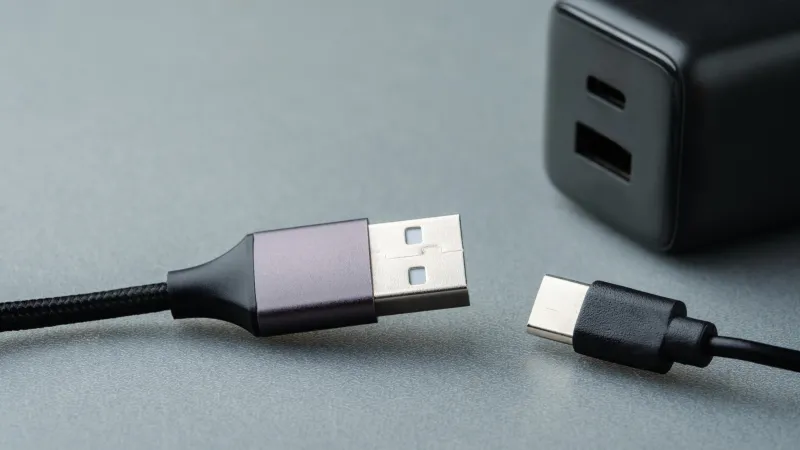
Every day, millions of individuals connect devices using the venerable USB-A connector, yet few pause to consider its intricate design. The two small square holes prominently featured on many USB-A plugs are far from mere ornamentation; they perform a critical mechanical function essential for stable data transfer and power delivery, a design choice deliberately absent in newer, more advanced USB standards.
These seemingly simple apertures are integral to the physical security and reliability of the connection. They serve as locking points, engaging with internal mechanisms within the female USB-A receptacle found on computers, chargers, and other peripherals. This interlocking system ensures the plug remains firmly seated, preventing accidental disconnections that could disrupt data flow or power supply.
The genesis of this design dates back to the Universal Serial Bus specifications, which aimed to standardize peripheral connections. Engineers meticulously crafted the USB-A standard to be robust and universally compatible, recognizing the need for a connection that could withstand repeated insertions and removals over its lifespan.
When a USB-A plug is inserted into its corresponding port, small metal springs or tabs within the female connector snap into these square holes. This creates a tactile click and a secure hold, signifying a proper connection. Without this positive locking mechanism, the plug could easily wiggle loose, leading to intermittent functionality or complete disengagement.
This mechanical stability is paramount for uninterrupted data transmission, especially during large file transfers or continuous peripheral operations. Imagine the frustration of a drive suddenly disconnecting mid-backup; the small holes on the USB-A connector proactively mitigate such occurrences, safeguarding user experience and data integrity.
The design philosophy behind USB-A contrasts sharply with later iterations, such as USB-C. The newer USB-C connectors forego these external holes in favor of a symmetrical, reversible design that utilizes different internal friction and locking mechanisms, often relying on internal spring contacts to maintain connection.
The evolution of USB standards reflects an ongoing quest for improved user experience, faster speeds, and more versatile connectivity. While USB-C offers universal orientation and enhanced capabilities, the enduring presence of USB-A, and its distinctive holes, speaks to the foundational engineering principles that once defined robust peripheral connectivity.
Understanding these minute design elements offers insight into the thoughtful engineering behind everyday technology. It highlights how even the smallest features contribute significantly to the overall functionality and reliability of our electronic devices, a testament to the meticulous attention paid during product development.
This consideration for long-term reliability also extends to the quality of accessories. Consumers often weigh options when investing in tech peripherals, a decision-making process explored in articles like Anker or Belkin? Decoding Your Next Tech Accessory Investment, where the durability and design of connectors play a subtle yet vital role.
The purposeful design of these USB connector holes ensures not only physical stability but also contributes to the electrical integrity of the connection. A firm contact minimizes resistance and signal loss, which is crucial for maintaining optimal data transfer rates and consistent power delivery to connected devices. This attention to detail underscores why even decades-old technologies continue to function reliably in a rapidly evolving digital landscape.