 Debby Wijaya
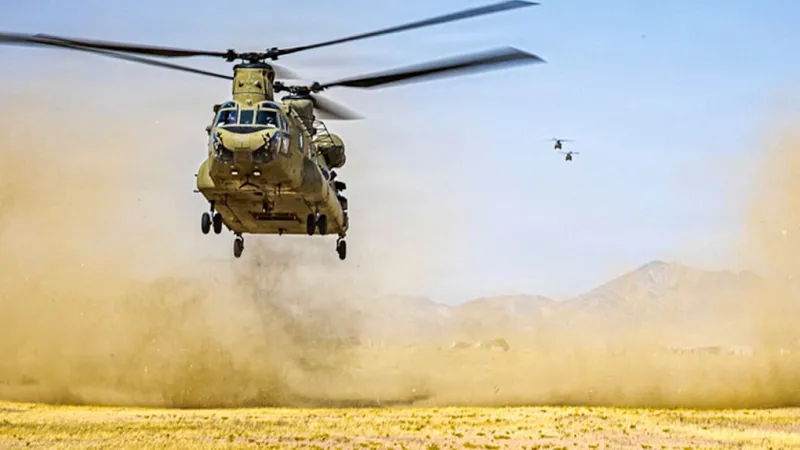
The United States military has initiated a fresh wave of precision strikes against Iranian positions, specifically targeting crucial air defense, missile, and radar systems. Informed sources suggest these actions serve as preparatory measures for potentially more intensive operations in the region. Simultaneously, President Donald Trump has issued a stark warning, threatening to expand targets to include Iran's power plants and bridges.
These coordinated attacks represent a significant and calculated escalation in the protracted tensions between Washington and Tehran. Precision munitions reportedly struck key strategic assets deep within Iranian territory, aiming to degrade capabilities that the US perceives as a direct threat to regional stability and American interests.
Anonymous officials, privy to high-level strategic planning, described the current series of assaults as a methodical softening of Iranian defenses. These sources, speaking on condition of anonymity due to the sensitive nature of military intelligence, indicated a potential for sustained and broader military engagement should diplomatic efforts fail to yield desired outcomes.
President Trump's explicit threats regarding Iran's critical infrastructure mark a sharp increase in rhetorical pressure. His statement, delivered during a national address, underscored a readiness to expand targets beyond military installations, potentially encompassing vital civilian infrastructure such as power generation facilities and major transportation links.
This latest offensive follows a prolonged period of heightened friction between the two nations, characterized by a series of regional incidents, proxy confrontations, and diplomatic stalemates. Both Washington and Tehran have repeatedly accused the other of undertaking destabilizing actions throughout the Middle East.
The strategic selection of air defense, missile, and radar systems as primary targets suggests a clear intent to diminish Iran's capacity to respond effectively to aerial threats and to project its own military power. Disabling these assets could create advantageous operational windows for potential future actions.
While specific international reactions to these new strikes were not immediately detailed, such military actions typically elicit a range of responses from global actors, including calls for de-escalation from some international bodies and expressions of solidarity from regional allies of the United States.
Tehran has historically vowed swift and proportionate retaliation against perceived aggressions. The nature and scale of any Iranian response remain a critical unknown, with analysts anticipating potential asymmetric warfare tactics or actions by proxy forces in the broader Gulf region.
The relationship between the United States and Iran has been particularly fraught throughout President Trump's two terms. This period has been marked by the US withdrawal from the Joint Comprehensive Plan of Action (JCPOA), the reimposition of stringent sanctions, and targeted strikes against high-profile Iranian figures. These latest actions align with a consistently more confrontational approach to Iranian foreign policy.
The long-term implications of these intensified US operations and President Trump's explicit threats are profound. They risk further destabilizing an already volatile region and could pave the way for a more direct and extensive conflict if either side miscalculates the other's resolve or capabilities.
Despite the overt military actions, some observers suggest that these strikes are also strategically designed to bolster Washington's leverage in any potential future negotiations, albeit a high-risk diplomatic strategy. The path to de-escalation and a peaceful resolution appears increasingly narrow amidst the rising military pressure.
Escalation in the Gulf region invariably carries significant implications for global energy markets, given the strategic importance of the Strait of Hormuz. Oil prices and international trade routes could face considerable disruption should hostilities intensify further.