 Dodi Irawan
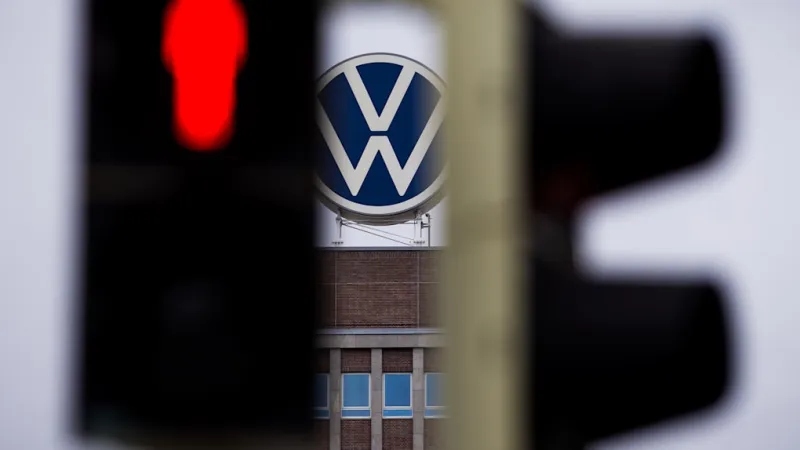
Wolfsburg, Germany – Volkswagen employees across Germany are currently engaged in fervent protests, standing united against impending plans that threaten to eliminate up to 100,000 jobs and potentially close four major production facilities. The automotive giant's supervisory board is simultaneously convened in closed-door sessions, meticulously deliberating comprehensive savings measures designed to bolster the company's financial resilience in a challenging global market. The stakes are acutely high for both the workforce and the German industrial landscape.
This pivotal moment for Volkswagen (VW), a cornerstone of the German economy, underscores a broader industry-wide struggle for efficiency and profitability amidst an accelerating transition to electric vehicles and intensifying international competition. Worker representatives have vehemently rejected the proposed cuts, vowing to resist any measures that would lead to such extensive job losses or factory shutdowns.
The proposed restructuring, aimed at trimming operational costs, has ignited a profound sense of anxiety among the massive workforce. Many view the potential closures and dismissals as a direct assault on job security and the company's long-standing commitment to its employees. Protests have been organized at various sites, with workers emphasizing their dedication and contribution to Volkswagen's legacy.
Management, operating under immense pressure from shareholders and market analysts, contends that substantial cost reductions are indispensable to secure Volkswagen's long-term viability and its competitive edge. Industry insiders suggest the proposed savings plans encompass a range of initiatives, from streamlining administrative functions to optimizing production processes and potentially divesting less profitable segments.
The impending decisions are not merely about numbers on a balance sheet; they represent a potential seismic shift for regional economies heavily reliant on Volkswagen's operations. Entire communities thrive on the employment and ancillary businesses generated by these factories. The closure of even one plant could unleash significant socio-economic repercussions.
Labor unions, notably IG Metall, Germany's largest industrial union, have been instrumental in mobilizing the opposition. They argue that alternative strategies, focusing on innovation, re-skilling, and sustainable growth, should be prioritized over mass redundancies. Unions are demanding a transparent dialogue and a commitment to preserving the core workforce.
This struggle highlights the delicate balance between corporate profitability and social responsibility. Volkswagen, with its deep roots in German society, faces the arduous task of modernizing its operations without alienating its dedicated workforce or destabilizing local economies. The outcome of these deliberations will set a precedent for future industrial restructurings within Germany.
The company has been under scrutiny regarding its strategic direction and financial performance for some time. Reports have indicated a looming power struggle within the organization concerning the best path forward, a situation that has likely fueled the urgency of these current discussions. For a more in-depth look at these internal dynamics, readers can refer to "Volkswagen Eyes Massive Job Cuts Amid Looming Power Struggle."
The supervisory board, comprising both shareholder and employee representatives, must navigate a complex array of interests. While the company's financial health is paramount, the severe human cost of such extensive job cuts cannot be disregarded. The final decision will undoubtedly reflect a compromise forged under intense scrutiny.
As discussions continue behind closed doors, the future of 100,000 Volkswagen jobs and four vital plants hangs in the balance. The profound concern among employees is palpable, mirroring the high stakes for Germany's industrial future. This period of intense negotiation will determine Volkswagen's trajectory for years to come, influencing thousands of families and the broader European automotive sector.
The leadership faces the unenviable task of reconciling the demands for increased efficiency and shareholder value with the legitimate concerns of a workforce that has built the company's global reputation. The resolution will shape public perception of Volkswagen and its role as a responsible corporate citizen.
The automotive industry continues to grapple with supply chain disruptions, fluctuating consumer demand, and the monumental investments required for technological transformation. These external pressures further complicate Volkswagen's internal efforts to streamline its operations and remain globally competitive.