 Chris Robert
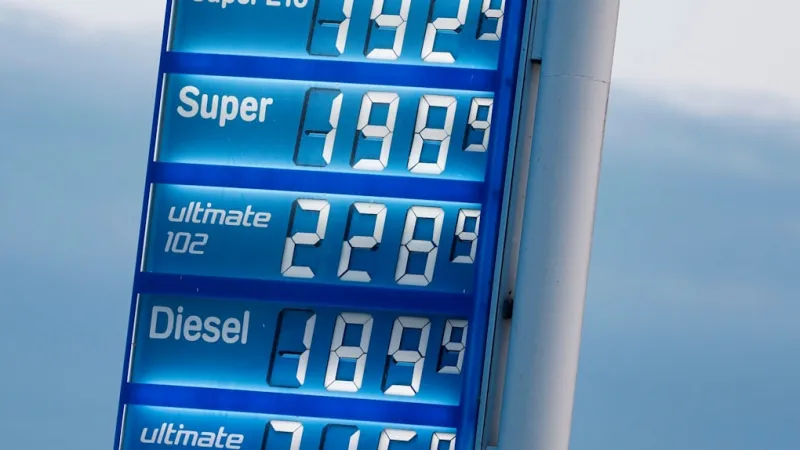
BERLIN — German motorists woke to a stark new economic reality today as the government's temporary fuel tax rebate officially expired at midnight, ushering in a sharp increase in prices at the pump. While the anticipated record surge in costs by midday did not materialize, consumers are now grappling with significantly higher expenses for gasoline and diesel. The impact on household budgets is considerable, prompting an interactive online tool from WELT to illustrate the additional financial burden.
The cessation of the tax reduction, initially introduced to mitigate the impact of rising global energy prices and inflation, marks a pivotal moment for the German economy. For months, the measure had provided a degree of relief to commuters, businesses, and logistics operations. Its abrupt removal signals a shift in government strategy regarding energy subsidies.
Instituted as part of a broader package aimed at supporting citizens through challenging economic times, the fuel tax rebate sought to buffer consumers from unprecedented price volatility. Its design was always temporary, intended to offer short-term respite rather than a permanent structural change to energy taxation.
As forewarned by economic analysts, gas stations across the nation adjusted their prices upwards immediately after the midnight deadline. Initial reports from various regions confirm a noticeable jump in per-liter costs, though specific figures varied depending on location and fuel type.
Despite the significant increase, industry observers noted that the most extreme projections, which predicted an instantaneous record-breaking price hike across the board, did not fully materialize. This could be attributed to a combination of factors, including market dynamics, existing stock levels at stations, and perhaps a more gradual adjustment by distributors.
For the average German household, however, the elevated fuel prices translate directly into a tighter budget. Commutes to work, family trips, and essential deliveries will now incur greater expense. The interactive calculator developed by WELT allows individuals to input their driving habits and vehicle fuel efficiency to determine their personalized increase in expenditure.
Economists are closely monitoring the situation for its potential ripple effects on inflation. Higher transportation costs can quickly translate into increased prices for goods and services, as businesses pass on their operational expenses to consumers. This development comes at a time when inflationary pressures remain a key concern for the European Central Bank.
The government had previously signaled its intention to allow the rebate to expire, citing budgetary constraints and a desire to return to more sustainable fiscal policies. While acknowledging the financial strain on citizens, officials emphasized the temporary nature of the subsidy and the need for long-term energy independence and efficiency.
Public reaction has been mixed, with many expressing frustration over the additional financial burden, especially amidst ongoing cost-of-living challenges. Unions and consumer advocacy groups have voiced concerns about the impact on lower-income households and those reliant on personal vehicles for essential activities.
The trajectory of fuel prices in the coming weeks and months will depend on a confluence of global factors, including crude oil prices, geopolitical stability, and the strength of the Euro against other currencies. Without the tax rebate, German consumers are now more directly exposed to these international market fluctuations.
The end of the fuel tax rebate marks a significant policy shift, moving Germany away from broad consumer subsidies towards a market-driven energy cost structure. While the immediate impact is a rise in consumer spending on fuel, the long-term implications for inflation and consumer behavior will continue to unfold.