Gabriella
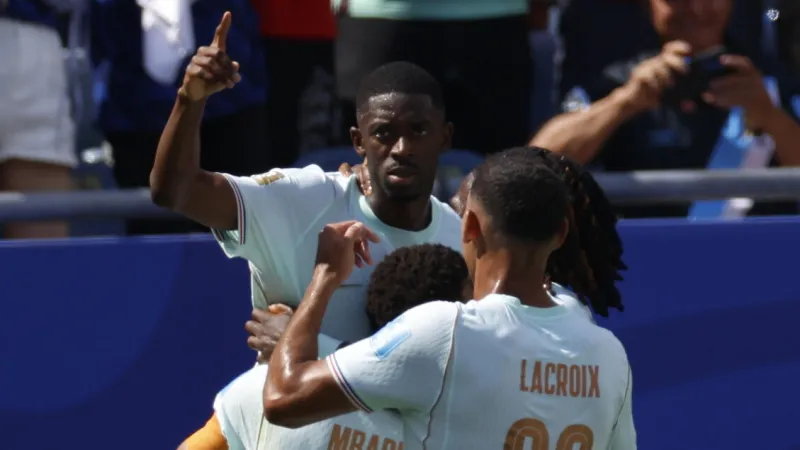
The global World Cup tournament dramatically shifts into its high-stakes knockout phase this week, setting the stage for anticipated clashes including perennial powerhouses France versus Germany and Brazil against Norway. The round of sixteen commences with an initial encounter between Canada and South Africa, as teams vie for the coveted championship title and the final contenders are solidified.
This single-elimination format, often described as a do-or-die scenario, elevates the intensity for both players and spectators. Every match now carries the weight of an entire tournament, transforming stellar group stage performances into distant memories if a team falters. The margin for error shrinks to near zero, demanding peak athletic prowess and strategic brilliance.
Among the most eagerly awaited fixtures is the monumental showdown between France and Germany. These two European footballing giants boast rich World Cup histories and a deep-seated rivalry. Their encounter is not merely a contest of skill but a battle of tactical masterminds, promising a captivating spectacle for fans worldwide. Germany, a nation recently navigating internal policy discussions on pension reform and grappling with an antisemitism crisis, as Germany's Antisemitism Crisis Deepens: Jewish Life Worsens, Klein Warns, will undoubtedly look to unite its populace through on-field success and a strong performance.
Similarly, the clash between Brazil and Norway presents an intriguing narrative. Brazil, with its storied legacy of attacking flair and numerous titles, faces a Norway squad that has demonstrated resilience and tactical discipline throughout the group stage. This match could easily define the tournament path for either nation, pushing their limits in pursuit of advancement.
The opening match of the knockout phase, featuring Canada and South Africa, offers its own compelling drama. Both nations have exceeded expectations to reach this stage, demonstrating the growing global reach and competitiveness of the sport. Their initial foray into the round of sixteen will set the tone for the intense days ahead, showcasing emerging talents on the world stage.
Crucially, the final determination of the best third-placed teams will complete the full roster for the round of sixteen. This mechanism ensures that strong performing teams from competitive groups are not prematurely eliminated, adding an extra layer of tension and anticipation before the full knockout bracket is confirmed. The excitement surrounding who secures these last few spots is palpable among fans and commentators alike.
Coaches are undoubtedly scrutinizing every detail, from player fitness to opponent analysis. Formations, substitutions, and set-piece strategies will be paramount, as one tactical misstep could spell the end of the dream of a nation. The pressure on head coaches to deliver under such scrutiny is immense, with careers potentially hanging in the balance.
For the players, this stage represents the culmination of years of training and dedication. Each pass, tackle, and shot on goal will be under the microscope. Legendary performances are forged in these moments, with individual brilliance often tipping the balance in closely contested encounters, creating unforgettable World Cup moments.
Fans around the globe are preparing for a festival of football, with millions tuning in to witness the drama unfold. From bustling city squares to private homes, the collective roar of support will underscore the universal appeal of the World Cup, transcending cultural and geographical boundaries and uniting people through sport.
The road to the final is now clear, albeit treacherous. Each victory propels a team closer to the ultimate prize in football, while each defeat means an immediate exit. The intensity will only mount as the tournament progresses from the round of sixteen through the quarterfinals, semifinals, and ultimately, to the grand final, demanding peak performance at every turn.
Analysts are already weighing the potential upsets and dark horse candidates. While the established powerhouses often prevail, the World Cup has a rich history of surprising results, reminding everyone that on any given day, any team can rise to the occasion and challenge the favorites, making predictions notoriously difficult.
The economic implications of advancing in the World Cup are significant, encompassing prize money, increased tourism, and heightened national pride. Sponsorship deals and broadcast revenues also surge, making success on the pitch a multifaceted victory for participating nations and football associations, extending far beyond athletic achievement.