Gabriella
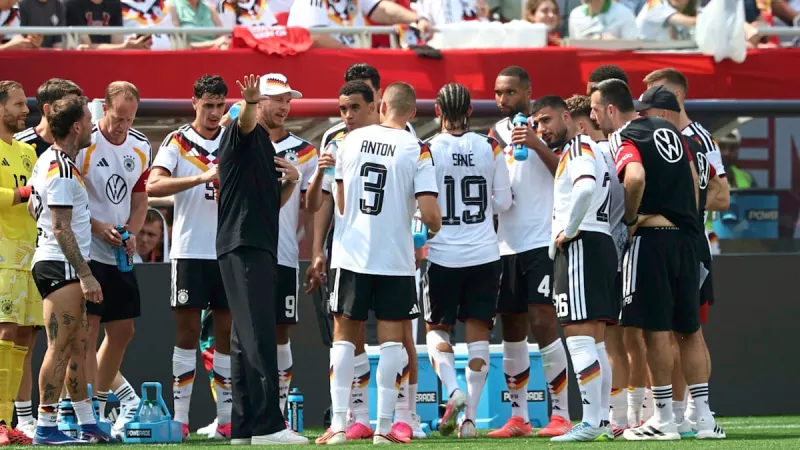
The German National Team is poised to commence its World Cup journey against Curaçao, carrying the weight of high expectations for a commanding victory. Fans and pundits alike stress the imperative of a strong start, wary of any potential misstep against a lesser-ranked opponent on the international stage.
The mood within the German camp and among its fervent supporters is one of cautious optimism, underscored by a clear understanding that anything short of a comprehensive win would be deemed a significant disappointment, potentially derailing early tournament momentum.
Journalist Steffen Schwarzkopf articulated this sentiment bluntly, stating, "The Swiss demonstrated that even against smaller nations, such as Qatar, points can be conceded – a scenario the Germans are determined to avoid." This cautionary tale from previous tournaments highlights the razor-thin margins and unpredictable nature of World Cup football.
Curaçao, a Caribbean island nation, enters the tournament as a decided underdog. Historically, such matchups have been viewed as straightforward for footballing giants like Germany, offering an opportunity to build goal difference and integrate tactical approaches.
Yet, the modern era of international football has seen a rise in competitive balance, with smaller nations increasingly capable of frustrating or even upsetting established powers. The memory of unexpected outcomes, as Schwarzkopf noted, serves as a stark reminder.
For the German National Team, this opening fixture is not merely about securing three points; it is about sending a definitive message. It is an opportunity to assert dominance, validate strategic preparations, and build confidence ahead of more formidable challenges deeper into the World Cup.
Supporters across Germany are united in their demand for a decisive display. Public discourse consistently echoes the refrain that this match should be a mere formality, a conclusive warm-up act before the true tests begin.
Training sessions have reportedly been intense, with the coaching staff emphasizing focus and professionalism regardless of the opponent's ranking. The players are acutely aware of the pitfalls of complacency and the global scrutiny that accompanies every World Cup performance.
Analysts predict Germany will likely employ an attacking formation, seeking to exploit any defensive vulnerabilities of Curaçao early in the game. Swift goals could alleviate pressure and allow for tactical adjustments or player rotation in the later stages.
A convincing victory would not only place Germany atop their group, at least temporarily, but also set a positive tone for their quest to reclaim global footballing supremacy. Every point, every goal, contributes to the intricate calculus of World Cup progression.
The broader context of the tournament has seen its share of early surprises and standout performances. Earlier, Scotland edged Haiti in a tense opener, while Montella's Turkey suffered a surprising 2-0 defeat to Australia. These results underscore the unpredictable nature of the competition.
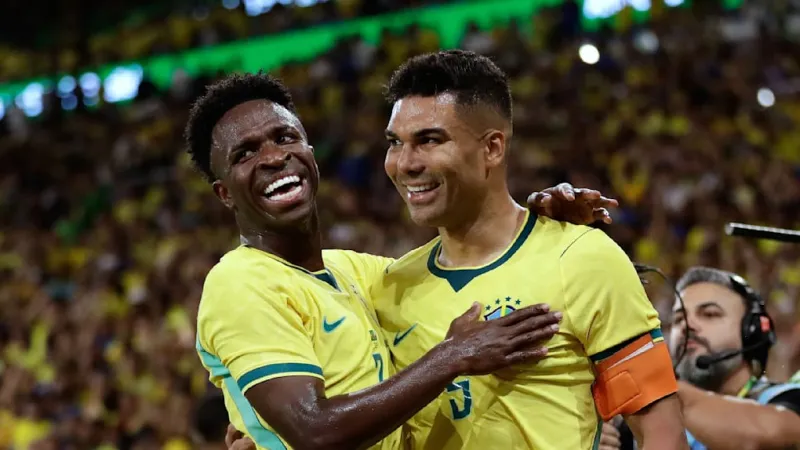
Even powerhouses have faced stern tests, as Morocco's Mazraoui stunned Brazil with early brilliance in another match, highlighting the intensity from the outset. The opening fixtures often expose teams' readiness and resilience, irrespective of their pedigree.
For Germany, therefore, the match against Curaçao transcends a simple points tally. It is a critical early statement of intent, a demonstration of tactical discipline, and an affirmation of their championship aspirations in a tournament already brimming with unexpected turns.