 Stefani Rindus
Marine biologists have made a significant discovery within the depths of World War II shipwrecks: highly specialized bacteria possessing the remarkable ability to degrade petroleum hydrocarbons. This revelation offers a dual promise, presenting a novel approach to environmental remediation of marine oil pollution and hinting at a potential new source of bioenergy.
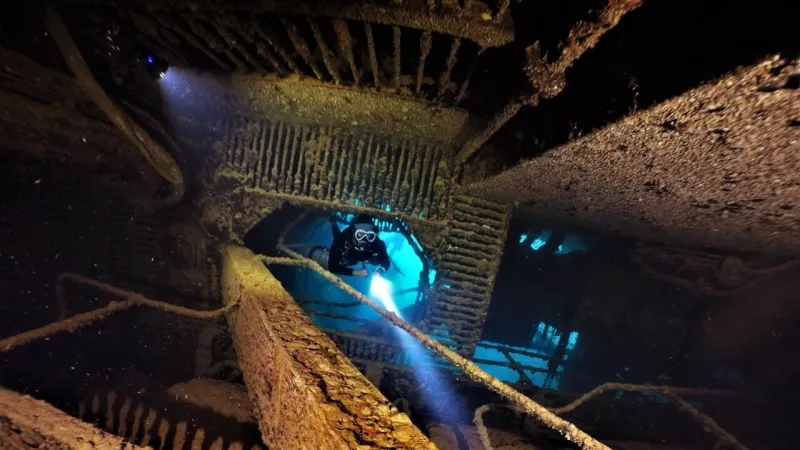
These unique microbial communities thrive in the extreme, oxygen-deprived environments of sunken warships and merchant vessels. Decades of immersion have transformed these metallic hulks into complex, artificial reefs, creating isolated ecosystems where specific extremophiles can flourish, largely undisturbed by surface activities.
Researchers observed that these bacteria efficiently metabolize the complex hydrocarbons found in residual fuel oil, converting them into energy for their survival and growth. This natural biological process, known as bioremediation, could provide an eco-friendly mechanism to mitigate the environmental impact of submerged oil reservoirs.
The sheer number of World War II-era wrecks scattered across the worlds oceans represents a ticking environmental time bomb. Many of these vessels still contain thousands of tons of fuel oil, lubricants, and other hazardous materials that could leak over time, posing a continuous threat to fragile marine ecosystems.
Until now, interventions to address these underwater pollutants have been complex, costly, and often invasive. The identification of indigenous bacterial strains capable of self-sustaining hydrocarbon degradation introduces a passive, biological alternative that could operate without extensive human intervention.
Further research aims to understand the precise biochemical pathways these bacteria employ and to evaluate their efficacy under varying deep-sea conditions. Isolating and culturing these microbes in laboratory settings will be crucial for developing scalable applications.
Beyond environmental cleanup, the prospect of harnessing these bacterial processes for energy generation is particularly compelling. If the energy conversion is efficient enough, these marine scavengers could contribute to sustainable energy initiatives by transforming waste products into usable power.
This discovery underscores the vast, unexplored biodiversity of deep-sea environments and their potential to offer solutions to some of humanitys most pressing challenges. From pharmaceutical compounds to novel enzymes, the oceans continue to reveal surprising biotechnological resources.
Scientists anticipate that studying these microorganisms could also provide insights into how life adapts to extreme conditions, expanding our understanding of microbiology and evolution. The unique pressures, low temperatures, and lack of light in these abyssal zones create selective pressures unlike any found on land.
Future endeavors will focus on pilot projects to test the bacteria in contained environments simulating actual shipwreck conditions. Collaboration between marine scientists, environmental agencies, and energy researchers will be vital to move this promising discovery from the lab to real-world application.
This groundbreaking work could revolutionize how we approach legacy pollution from historical maritime events while simultaneously opening pathways to innovative, biological energy solutions for a sustainable future.