 Robert Andrison
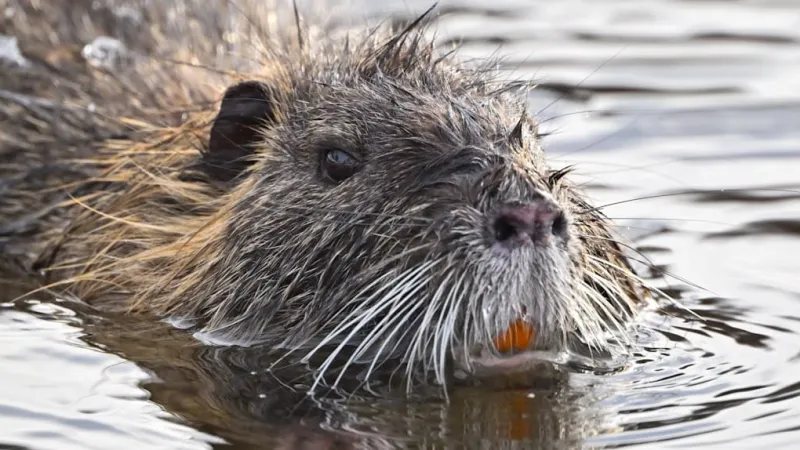
Berlin, Germany is grappling with an ecological crisis as the culling of invasive nutrias, also known as swamp beavers, has surged by an alarming 1700% since 2006, according to new figures released by German hunters. This drastic increase underscores the relentless proliferation of these non-native rodents across the nation, posing significant threats to local ecosystems and vital infrastructure.
The substantial rise in nutria eradication efforts highlights an escalating challenge for wildlife management authorities and environmental agencies. The initial intent behind introducing these South American rodents to Europe, primarily for fur farming in the early 20th century, has long since given way to a pressing need for population control.
Nutrias are exceptionally prolific breeders, capable of producing multiple litters per year. Their high reproductive rate, combined with a notable absence of natural predators in the German landscape, has allowed their numbers to expand unchecked, overwhelming regional ecosystems.
Ecological damage wrought by these oversized rodents is extensive. Nutrias burrow into riverbanks, dikes, and irrigation systems, compromising the stability of water management infrastructure. This activity can lead to significant erosion, increased flood risks, and costly repairs, impacting both urban and rural areas.
Beyond structural damage, nutrias pose a substantial threat to agriculture. They feed voraciously on crops, aquatic plants, and roots, destroying harvests and competing directly with native wildlife for essential food sources. Farmers have reported considerable losses due to their destructive foraging habits.
Their invasive presence disrupts the delicate balance of indigenous flora and fauna. By consuming large quantities of wetland vegetation, nutrias alter habitats, displacing native species that rely on these plants for food and shelter. This competition can lead to a decline in local biodiversity.
German hunters, operating under strict regulations, have been at the forefront of the culling initiative. Their data, which indicates a 1700% jump in harvested nutrias compared to the figures from 2006, serves as a stark metric of the intensified management strategy required to mitigate the species impact.
The federal and state governments have supported these efforts, recognizing the necessity of proactive intervention. Public awareness campaigns have also been launched to inform citizens about the dangers posed by nutrias and to discourage feeding them, which can exacerbate their proliferation.
While culling remains the primary method of control, scientists and policymakers continue to explore other long-term solutions, including habitat modification and biological controls, though these present their own complex challenges and ethical considerations.
The economic ramifications of the nutria infestation are considerable, encompassing the costs of infrastructure repair, agricultural losses, and the significant resources allocated to ongoing population management. This pervasive issue demands sustained attention and coordinated action from all stakeholders.
As Germany enters 2026, the battle against the invasive nutria population represents an enduring environmental and economic concern. The dramatic increase in culling numbers underscores the persistent vigilance required to safeguard the nation's natural habitats and critical infrastructure from this persistent ecological threat.