 Chandra Wijayanto
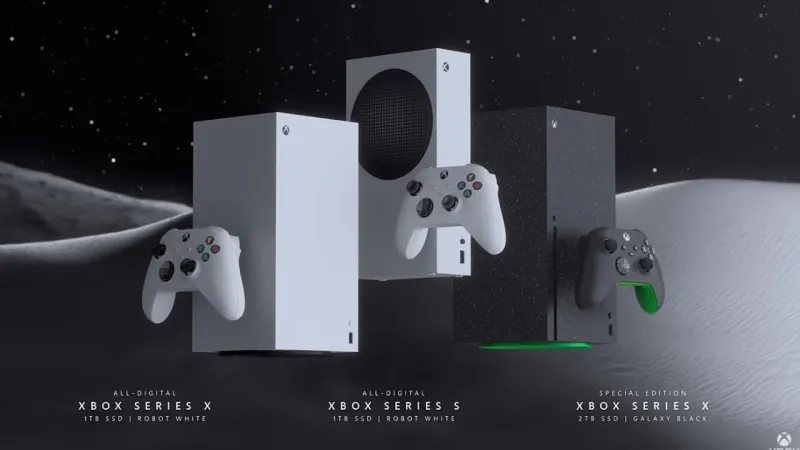
Brussels, Belgium – European consumers are now facing significant price increases for Xbox gaming consoles, with some models seeing hikes of up to 200 euros, following a similar trend that first emerged in the United States. This substantial rise is primarily attributed to a dramatic surge in the cost of memory and storage components, directly impacting millions of gamers across the continent.
Industry reports indicate that the prices of memory and storage components, crucial for modern gaming consoles, have escalated by more than 2.5 times in recent periods. This sharp increase creates an untenable situation for manufacturers like Microsoft, forcing them to adjust retail pricing to maintain profitability and cover production expenses.
While the exact pricing adjustments vary by model and specific European country, the ceiling of a 200-euro increase represents a considerable financial burden for prospective buyers. This mirrors the previous adjustments seen in the North American market, signaling a global recalibration of hardware costs within the gaming sector.
For many households, a 200-euro increment transforms a significant purchase into a substantial investment, potentially deterring new console sales and impacting the broader adoption rate of Microsofts latest generation of hardware. The timing coincides with broader economic pressures felt by consumers.
While Microsoft has not issued a specific public statement detailing the European price adjustments, industry analysts suggest the company is responding to global supply chain realities. Such decisions are rarely made lightly, reflecting unavoidable cost escalations in critical raw materials and manufacturing processes.
This development raises questions about the potential for similar price adjustments from other major console manufacturers, including Sony and Nintendo. The underlying economic factors affecting memory and storage components are universal, suggesting a wider industry trend rather than an isolated issue for Xbox.
Gaming industry analysts are closely monitoring consumer reaction, noting that repeated price hikes could temper enthusiasm for new hardware cycles. The delicate balance between covering production costs and maintaining market competitiveness is a constant challenge in the volatile electronics sector.
Console pricing has historically been a competitive battleground, often involving manufacturers subsidizing hardware at launch to attract a wider audience, then recouping costs through software and service sales. The current environment, however, suggests an unprecedented pressure on the hardware margin itself.
Faced with higher prices, consumers might explore alternatives such as purchasing refurbished units, opting for digital-only versions if available at a lower price point, or delaying their purchase in anticipation of future sales cycles. The used console market could also see increased activity.
The price adjustments could influence Microsofts market share in the competitive European landscape. The company will need to emphasize the value proposition of its Xbox ecosystem, including its Game Pass subscription service, to justify the higher entry cost to potential customers.
The incident also underscores ongoing vulnerabilities within global supply chains, particularly concerning critical electronic components. Geopolitical events and market speculation can have swift and far-reaching consequences on consumer goods pricing.
The trajectory of memory and storage component pricing remains a key concern for the entire tech industry. Until these costs stabilize or decrease, the prospect of further hardware price adjustments across various consumer electronics cannot be entirely dismissed.
Game developers, particularly those creating exclusive titles for the Xbox platform, also monitor these trends. A higher barrier to entry for consoles could, in the long run, influence the size of their potential player base, impacting revenue projections and investment decisions.
Beyond component costs, broader macroeconomic factors, including inflation and exchange rate fluctuations, also contribute to the final retail price of imported goods in Europe. The euro's strength or weakness against other currencies plays a role in determining local market pricing.
The increased pricing may push Xbox further into a premium segment, potentially alienating budget-conscious gamers who form a significant portion of the market. This strategic shift, if unintended, could have lasting implications for brand perception and accessibility.
The continuous drive for technological innovation in consoles, demanding more powerful and expensive components, inevitably clashes with consumer expectations for affordable hardware. This tension is at the heart of the current pricing dilemma.
It is important to note that the impact of these price increases may not be uniform across all European nations. Different tax structures, import duties, and competitive landscapes could lead to varying price adjustments from one country to another.
As physical game sales decline and digital distribution grows, the console itself remains the primary gateway to the gaming experience. The affordability of this gateway is therefore paramount to the health of the entire digital ecosystem.
Consumer advocacy groups may raise concerns regarding the transparency of these price adjustments, particularly if they are not accompanied by clear explanations from manufacturers regarding the underlying cost pressures.
The gaming industry, known for its rapid innovation, will undoubtedly adapt to these economic challenges. This could involve exploring new manufacturing efficiencies, component sourcing strategies, or even reconsidering hardware design to mitigate future cost pressures.