 Demian Sahputra
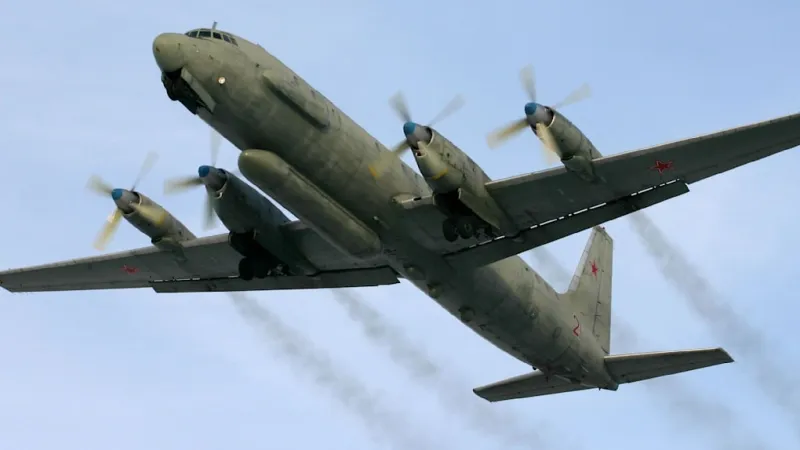
WARSAW — The Polish Air Force has again intercepted a Russian reconnaissance aircraft over the Baltic Sea, marking the third such incident within a span of days. This heightened activity fuels growing concern among NATO allies regarding a potential new series of Russian military provocations in the strategically vital region.
Polish fighter jets were scrambled to identify and accompany the Russian surveillance plane as it operated near international airspace boundaries. While no direct violations of Polish airspace were reported, the frequency of these encounters signals an assertive posture by Moscow, prompting vigilant responses from regional defense forces.
Military analysts suggest these repeated flights by reconnaissance aircraft, often identified as Il-20 Coot variants, serve multiple purposes. They gather intelligence on NATO air defense capabilities, test response times, and project Russian military presence in an area critical to European security.
The recent surge in aerial intercepts follows a period of persistent tension between Russia and Western nations, particularly since the 2022 full-scale invasion of Ukraine. NATO has significantly bolstered its presence along its eastern flank, including in the Baltic states and Poland, to deter any potential aggression.
Poland, a frontline NATO member, views these incursions with particular gravity. Its geographic proximity to Russia’s Kaliningrad Oblast and Belarus makes it a pivotal player in the alliance's defensive strategies. The continuous monitoring of Russian military movements is a core component of its national security.
Officials from the Polish Ministry of Defense have reiterated their commitment to safeguarding national airspace and supporting collective NATO defense. While refraining from direct commentary on specific Russian intent, spokespersons have emphasized the professional conduct of Polish pilots in every interception scenario.
The Baltic Sea, bordered by several NATO members including Denmark, Estonia, Finland, Germany, Latvia, Lithuania, Poland, and Sweden, holds immense geopolitical significance. It serves as a crucial maritime corridor and a potential flashpoint for military posturing.
These recurring incidents underscore the precarious security environment in Eastern Europe. They compel NATO members to maintain high levels of readiness and surveillance, ensuring rapid responses to any perceived threat or infringement on sovereign interests. The alliance continually assesses these patterns of activity to inform its collective defense planning.
Such aerial maneuvers are not unprecedented. For years, Russian military aircraft have conducted flights near NATO airspace, often without transponder signals, posing risks to civilian air traffic. However, the recent increase in frequency over the Baltic Sea has intensified calls for increased vigilance and coordinated international responses.
The international community closely watches these developments, recognizing their potential to escalate regional tensions. The delicate balance of power in the Baltic region necessitates transparent communication and adherence to international aviation protocols to prevent miscalculations.
As 2026 progresses, the strategic importance of the Baltic Sea only grows. The ongoing military activities serve as a stark reminder of the persistent security challenges facing Europe and the continued need for robust defense and diplomatic engagement.