 Chandra Wijayanto
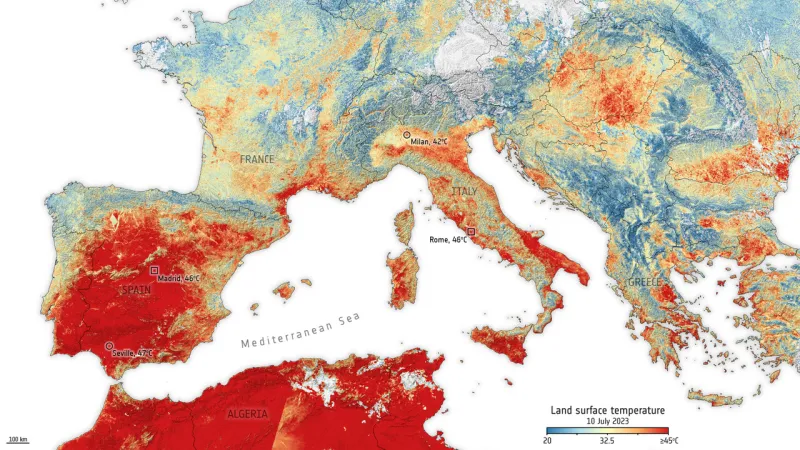
Italy faces a dramatic weather pattern shift as a potent African anticyclone brings scorching temperatures before giving way to a significant risk of intense rainfall. Meteorological experts warn these severe downpours could unleash upon the arrival of cooler air masses at higher altitudes.
This meteorological phenomenon, originating from the Sahara Desert, typically stabilizes atmospheric conditions, leading to prolonged periods of high pressure, clear skies, and a notable surge in temperatures across the Italian peninsula.
The current grip of the anticyclone has already initiated a widespread heatwave. Regions, particularly in the south, are experiencing temperatures well above seasonal averages, with previous instances seeing Sardinia nearing 45 degrees Celsius, prompting red alerts from civil protection authorities.
Such extreme heat poses considerable health risks, especially for vulnerable populations, and places strain on agricultural sectors struggling with drought conditions. The prolonged high temperatures also exacerbate wildfire risks across the country.
However, the stability brought by the anticyclone is inherently transient. As the week progresses, meteorologists forecast a crucial meteorological shift: the incursion of cooler, Atlantic-derived air will begin to undermine the high-pressure system.
This incoming cooler air mass, encountering the established hot, humid air pocket from the African anticyclone, creates a volatile atmospheric environment. The significant temperature difference and increased humidity are prime ingredients for severe weather formation.
Experts specifically articulate that the intense rain could be triggered suddenly, particularly "at the first arrival of cooler air at altitude," setting the stage for potentially violent atmospheric disturbances that could impact several regions.
The anticipated precipitation is not expected to be gentle or widespread showers. Instead, forecasts point towards localized, intense thunderstorms, characterized by heavy cloudbursts, strong winds, and the possibility of damaging hail.
Such rapid and concentrated rainfall poses an immediate threat of flash flooding, especially in urban areas with insufficient drainage systems and in river basins already sensitive to hydrological stress.
Italian infrastructure, from road networks to historical sites, is susceptible to the impacts of these sudden deluges. Landslides and mudslides become a concern, particularly in mountainous and hilly regions previously affected by drought or forest fires.
While rain is often welcomed by agriculture, intense downpours can be detrimental, causing crop damage, soil erosion, and hindering harvesting efforts. The sudden shift from drought to deluge presents a complex challenge for farmers.
Civil protection agencies across Italy are urging citizens to monitor local weather advisories closely. Recommendations include securing outdoor objects, avoiding non-essential travel during peak storm periods, and preparing for potential power outages.
This pattern of extreme heat followed by violent storms aligns with broader trends observed globally, where climate change contributes to more frequent and intense weather events, pushing atmospheric systems to their extremes.
National and regional meteorological services remain vigilant, continuously updating forecasts to provide the most accurate and timely information possible, vital for public safety and disaster preparedness.