 Dodi Irawan
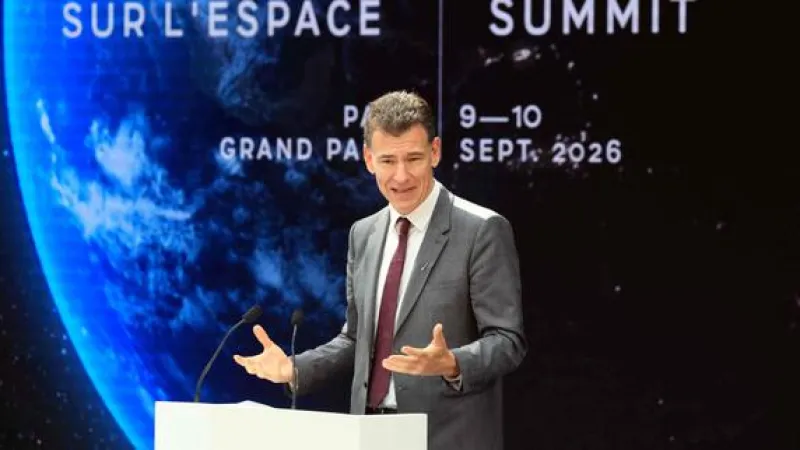
PARIS – French Minister of Higher Education, Philippe Baptiste, announced a substantial increase of nearly 500 million euros for higher education and research, simultaneously calling for a critical national debate on the role of the Baccalaureate exam and conditions for university access. The pronouncement came during a press conference on September 23, outlining plans for the new academic year and long-term educational reforms.
The proposed financial injection, a key component of the forthcoming finance bill, underscores the government's commitment to bolstering France's academic and scientific prowess. This significant budget increase aims to address various pressures, from research infrastructure needs to enhancing student support services across the nation's universities and specialized institutions.
Baptiste emphasized that this funding boost is not merely an operational adjustment but a strategic investment designed to solidify France's position as a leader in global education and innovation. He highlighted the necessity of providing adequate resources to support both groundbreaking research and high-quality teaching that meets contemporary challenges.
Beyond financial provisions, the Minister articulated a fervent desire to initiate a comprehensive public discussion regarding the Baccalaureate. This pivotal examination, often seen as the cornerstone of French secondary education, dictates pathways to higher learning and has faced evolving scrutiny over its relevance and effectiveness in recent years.
Minister Baptiste proposed that this crucial deliberation on the Baccalaureate's future be a central theme during the upcoming presidential campaign. By integrating it into the national political discourse, he aims to elevate the issue and ensure a broad, inclusive discussion involving educators, students, parents, and policymakers.
The debate would specifically address the Baccalaureate's evolving purpose and its efficacy in preparing students for the demands of university-level studies and the professional world. Concerns about curriculum alignment, assessment methods, and the exam's impact on student mental well-being frequently surface, prompting calls for reform from various quarters.
Parallel to the Baccalaureate discussion, Baptiste also wishes to re-evaluate the conditions for university access. The current system, designed to be largely open, often leads to overcrowding in popular programs and questions regarding student preparedness. This echoes similar challenges faced in other European nations, where discussions around student quotas and linguistic criteria are ongoing, as seen in Italy's recent decree to cap foreign students.
By linking the Baccalaureate's role to university admission criteria, Baptiste seeks to foster a more coherent and equitable transition for students moving from secondary to tertiary education. The goal is to ensure that admissions processes are both fair and effective in matching students with appropriate programs, maximizing their chances of success.
Stakeholders within the education sector, including university presidents, teacher unions, and student organizations, are anticipated to engage vigorously in this forthcoming debate. Their diverse perspectives will be crucial in shaping a consensus that reflects the needs of a modern French society and economy.
Observers note that integrating such a fundamental educational reform debate into the presidential campaign could significantly influence political platforms. Candidates will be compelled to articulate clear visions for the future of French education, making it a potentially decisive electoral issue for millions of voters.
Recent discussions surrounding data privacy and educational systems, such as concerns over French learning data fueling political manipulation fears, also highlight the broader complexities and sensitivities involved in education policy in France. Any reform would need to navigate these intricate layers of public trust and technological integration.
The Minister's initiative signals a proactive approach to addressing systemic challenges within French education, moving beyond incremental changes to consider a more holistic re-evaluation. The proposed debate aims to cultivate a system that remains internationally competitive while serving the unique needs of French students and society.
Ultimately, Minister Baptiste's twin announcements – a substantial financial commitment and a call for a foundational debate – set the stage for a period of intense scrutiny and potential transformation within French higher education. The outcomes of these discussions will significantly shape the academic landscape for generations to come, defining both opportunity and access.