Angel Doris
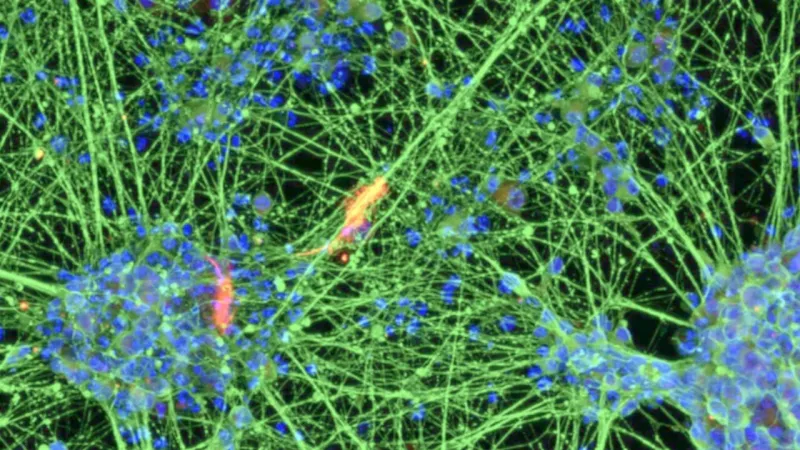
A significant scientific breakthrough recently announced reveals that researchers have successfully transformed aged blood cells into young, functional neurons. This development establishes a powerful new model, crucially useful for studying the intricate molecular processes associated with cellular rejuvenation and combating neurological decline.
The research marks a pivotal moment in regenerative medicine, offering unprecedented opportunities to delve into the mechanisms of aging at a cellular level. By repurposing readily available blood cells, scientists now possess a more accessible and ethically sound platform to investigate neuronal development and disease progression without relying solely on embryonic stem cells or complex neural tissue biopsies.
This innovative methodology fundamentally involves a sophisticated reprogramming process. Instead of simply culturing existing neurons, the team has engineered a direct conversion from mature somatic cells — specifically, peripheral blood cells — into brain cells. This direct transformation bypasses an intermediate stem cell stage, streamlining the process and potentially reducing experimental variability.
The newly generated neurons exhibit characteristics typical of youthful, healthy brain cells. They display appropriate gene expression profiles, form functional synapses, and demonstrate electrical activity essential for neural communication. These features are critical, validating their utility as accurate proxies for natural neurons in research settings.
The primary objective of this groundbreaking work is to create a robust model for understanding the molecular underpinnings of rejuvenation. Scientists can now meticulously observe how cellular age reverses and how specific genes and proteins contribute to this process. This insight is invaluable for developing therapeutic strategies targeting age-related neurological conditions.
For decades, the challenge of regenerating neural tissue has stymied efforts to treat conditions like Alzheimer disease, Parkinson disease, and stroke. This latest discovery offers a fresh perspective, suggesting that the body's own cells could be harnessed and redirected to repair or replace damaged brain cells, moving closer to true regenerative therapies.
The implications extend beyond just modeling disease. By unraveling the molecular choreography of cellular rejuvenation, researchers anticipate identifying novel targets for pharmacological interventions. These could potentially slow or even reverse the aging process within the central nervous system, enhancing cognitive function and quality of life for an aging population.
While the current findings represent a significant leap, the research is still in its foundational stages. Future work will focus on scaling the process, enhancing the efficiency of transformation, and rigorously testing the long-term viability and integration of these reprogrammed neurons in more complex biological systems.
The scientific community has lauded the potential of this technique, recognizing its dual benefit: providing an unparalleled tool for basic research into aging and offering a hopeful pathway toward future clinical applications. It underscores the ongoing revolution in cellular biology and its capacity to redefine our approach to age-related health challenges.
This advancement contributes significantly to the broader field of neuroscience, pushing the boundaries of what is considered possible in cellular engineering. It solidifies the understanding that cellular fate is not immutable, but rather a dynamic state amenable to precise manipulation for therapeutic benefit.