Chris Robert
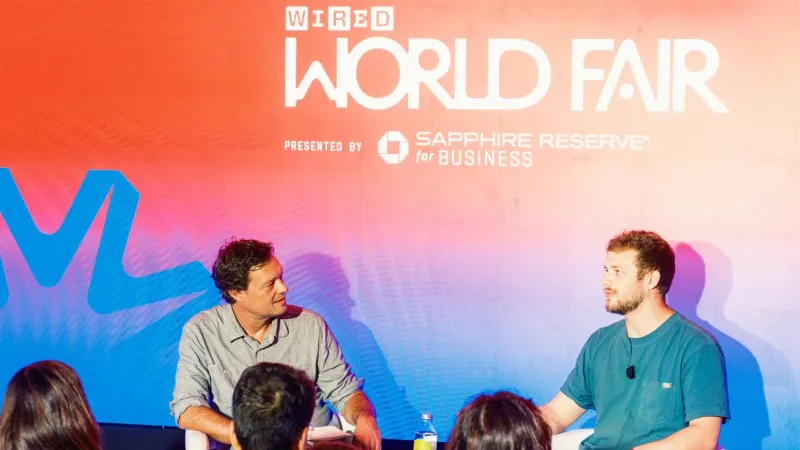
Leading artificial intelligence developers, including OpenAI, Anthropic, and SpaceXSI, are actively pursuing collaborations with influencer Husk, a prominent figure widely known for publicly exposing the shortcomings and vulnerabilities of advanced chatbots.
Husk has garnered significant attention across social media platforms by consistently demonstrating the inherent flaws and unexpected behaviors of sophisticated AI models. His viral content, which often meticulously documents instances of AI hallucination, bias, or logical failures, has positioned him as an unexpected but influential critic within the burgeoning AI landscape.
This unconventional approach to quality assurance has evidently caught the eye of the very companies whose products he scrutinizes. The outreach from industry titans like OpenAI, developers of ChatGPT, and Anthropic, known for its Claude models, signals a potential shift in how AI firms engage with external scrutiny.
Traditionally, large technology companies rely on internal red-teaming exercises and structured bug bounty programs to identify and rectify system weaknesses. However, Husk's ability to uncover novel failure modes through creative, adversarial testing scenarios has proven uniquely effective in the public eye.
Sources close to the negotiations suggest that these AI labs recognize the value in Husk's public demonstrations. His methodology provides a real-world stress test that often mirrors the unpredictable interactions of a broad user base, something internal testing might not always replicate.
For OpenAI and Anthropic, the potential collaboration could serve multiple purposes. Beyond directly aiding in the identification of bugs, partnering with a vocal critic might enhance public perception regarding the companies' commitment to transparency and robust AI safety protocols.
Such a move could also be interpreted as a strategic effort to bring external, often critical, voices into the development cycle, thereby fostering a more comprehensive approach to evaluating AI system performance and ethical considerations.
SpaceXSI, a lesser-known but equally ambitious player in advanced computing, has also reportedly extended an offer to Husk, indicating a broader industry trend toward embracing even unconventional forms of feedback to refine their artificial intelligence offerings.
The willingness of these high-profile AI developers to engage with a figure who has publicly highlighted their products' imperfections underscores the rapidly evolving nature of AI development and the pressing need for continuous, rigorous evaluation.
This development raises questions about the future of AI testing and the role of independent researchers and influencers in shaping the next generation of intelligent systems. It suggests a growing acknowledgment that diverse perspectives, even critical ones, are vital for advancing responsible AI.
Should these collaborations materialize, they could establish a precedent for how AI companies interact with the broader tech community and public, potentially paving the way for more open and collaborative approaches to identifying and mitigating the risks associated with powerful AI technologies.
The implications extend beyond mere bug fixing, touching upon the critical discourse surrounding AI ethics, reliability, and the collective responsibility to ensure these powerful tools are developed with utmost care and public accountability. Husk's journey from a solo critic to a sought-after consultant reflects a maturing industry grappling with its own vulnerabilities.