 Edward DP Situmorang

A profound shift in geopolitical strategy is underway as major global powers increasingly view artificial intelligence, outer space, and the Arctic region as critical new battlefields for dominance. This strategic reorientation, unfolding across technological innovation, military expansion, and resource control, signals an era of heightened international competition and potential flashpoints.
The nexus of these emerging domains represents a complex web of interconnected interests, where advancements in one area directly impact capabilities in another. Nations are pouring significant investments into developing cutting-edge AI technologies, recognizing their dual-use potential for both economic prosperity and military superiority.
Artificial intelligence is rapidly becoming the bedrock of modern defense, from advanced surveillance systems and autonomous weaponry to sophisticated cyber warfare capabilities. Dominance in AI is perceived as key to achieving an insurmountable advantage, leading to a technological arms race with far-reaching consequences for global stability. The European Union, for instance, has been vocal about its comprehensive AI strategy, aiming to ensure a pro-European cohesion while navigating the ethical and strategic challenges, as highlighted by initiatives like those unveiled by Ursula von der Leyen. Meanwhile, concerns about the societal implications of AI continue to resonate, with some voices from Silicon Valley expressing fears of an AI apocalypse.
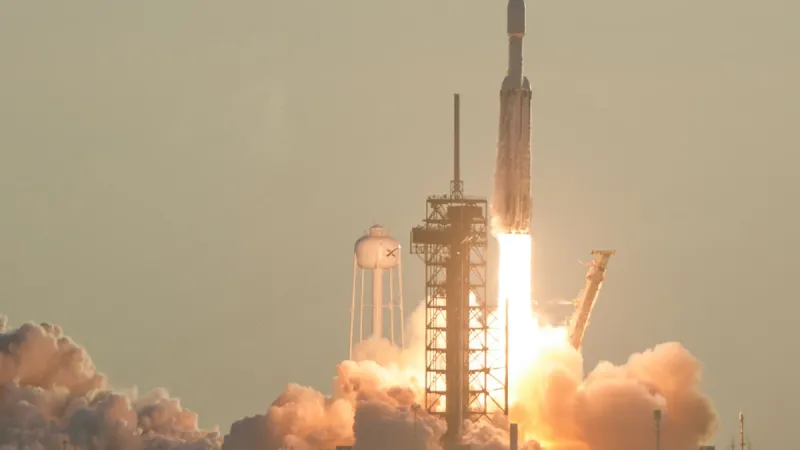
Simultaneously, the vast expanse of outer space has transformed from a frontier of scientific exploration into a crucial theater for strategic competition. Nations are aggressively developing satellite capabilities for communication, navigation, intelligence gathering, and even potential anti-satellite warfare. The militarization of space raises grave concerns about future conflicts extending beyond Earths atmosphere, threatening vital infrastructure.
Control over orbital pathways and lunar resources is becoming a central tenet of national security doctrines. The ability to deny adversaries access to space, or to leverage it for tactical advantage, represents a potent deterrent. This escalating tension is mirrored in broader geopolitical rivalries, exemplified by allegations of foreign state-sponsored plots that underscore a climate of international mistrust and covert operations, such as those detailed in reports like FBI Alleges Russian Assassination Plots Across US, Europe.
The Arctic, long a remote and sparsely populated region, is now at the forefront of geopolitical interest. Rapid climate change has opened new shipping lanes and exposed vast reserves of natural resources, including oil, gas, and rare earth minerals. This accessibility has triggered a scramble among Arctic and non-Arctic states alike to establish a significant presence and assert territorial claims.
Military buildup in the Arctic is a growing concern, with nations like Russia, the United States, and NATO allies increasing their military exercises and infrastructure in the region. The potential for conflict over navigation rights, resource extraction, and strategic positioning remains a palpable risk, transforming the serene polar landscape into a zone of heightened military readiness.
The interconnectedness of these domains is undeniable. AI-driven analytics enhance Arctic surveillance and resource prospecting. Space-based assets provide critical communication and reconnaissance for Arctic operations. The pursuit of AI supremacy fuels the development of advanced propulsion and navigation systems for space exploration and defense.
For the United States, under President Donald Trump, maintaining a leading edge in these domains is paramount to national security and economic prosperity. Strategic investments and diplomatic efforts are underway to navigate this complex landscape, balancing competition with the imperative to avoid outright conflict.
European leaders, including those warning against forces seeking to fracture the union, recognize the stakes involved. The implications of unchecked competition in these new battlefields could redefine global alliances and power dynamics, pushing towards a more fragmented international order, as articulated in warnings like EU Chief Sounds Alarm: Nationalists, Russia Seek to Fracture Union.
Experts suggest that the stakes in these new strategic domains are higher than ever, calling for careful diplomacy and international frameworks to prevent miscalculation. The future of global security may well be decided by which nations effectively master and integrate their capabilities across artificial intelligence, space, and the Arctic.
Failure to establish clear rules of engagement and foster collaboration could precipitate an unpredictable era of technological warfare and territorial disputes. The world watches as these new battlefields take shape, shaping the geopolitical contours of the mid-21st century.