 Demian Sahputra
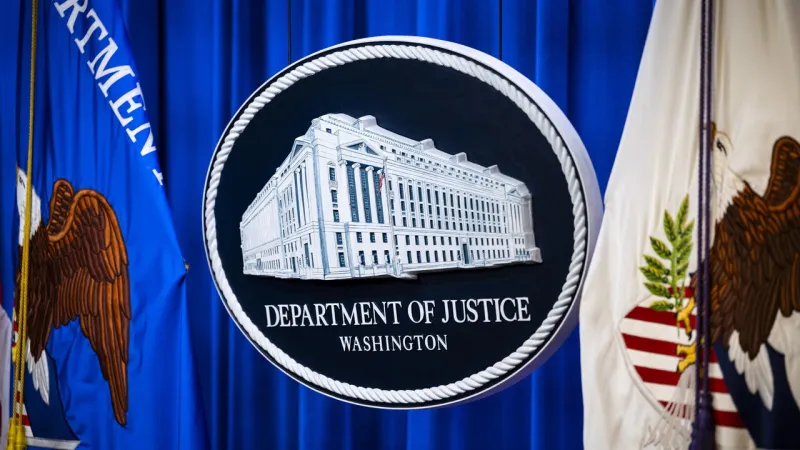
The Federal Bureau of Investigation (FBI) has unveiled serious allegations, asserting that Russian operatives devised plans for assassinations across both America and Europe. This revelation comes amid heightened geopolitical tensions, underscored by President Vladimir Putins recent declaration that "Nobody will divide us" and Ukraines claim of killing a key Russian general, signaling a continued escalation of covert hostilities between Moscow and Western interests.
The FBI's assertions, detailed in recent intelligence briefings, suggest a sophisticated network aimed at neutralizing perceived enemies of the Russian state on foreign soil. These alleged plots represent a significant escalation in clandestine operations, posing a direct threat to national security and international stability.
President Putins defiant address to the nation, delivered against a backdrop of ongoing conflict and international sanctions, reaffirmed Moscows resolve. His statement, "Nobody will divide us," resonates as a direct challenge to Western efforts to isolate Russia and highlights the Kremlin's perceived internal strength despite external pressures.
Further illustrating the volatile international landscape, military intelligence from Ukraine reported the killing of a high-ranking Russian general. This strategic blow against Moscow, if confirmed by independent sources, would mark a significant setback for Russian military operations and could potentially provoke further retaliatory actions.
Allegations of Russian state-sponsored assassinations are not without precedent. Numerous incidents over the past two decades, including poisonings and targeted killings in the United Kingdom and Germany, have been attributed to Russian intelligence agencies by Western governments. These historical patterns lend credence to the FBI's current claims, framing them within a broader context of aggressive foreign policy.
The disclosure of these alleged plots will undoubtedly strain the already fraught relationship between the United States and Russia. President Donald Trump, who has consistently navigated complex diplomatic terrain with Moscow, now faces renewed pressure to respond decisively to what the FBI characterizes as direct threats to American sovereignty and European security.
European allies, many of whom have experienced Russian intelligence activities firsthand, will likely view the FBI's claims with gravest concern. Leaders throughout the continent have repeatedly voiced anxieties about Russian destabilization efforts. As EU Chief Ursula von der Leyen previously warned about Russia's intent to fracture the union, these allegations reinforce persistent fears.
While the FBI has leveled serious accusations, the specifics of the alleged plots, including the targets, methods, and the precise timeline of their discovery, remain largely under wraps. Observers anticipate further details will emerge as investigations proceed, potentially leading to indictments and diplomatic repercussions.
The specter of cross-border assassinations complicates an already intricate geopolitical chessboard, with implications reaching beyond immediate security concerns. It raises fundamental questions about international law, state sovereignty, and the permissible limits of intelligence operations in an era of renewed great-power competition.
Security analysts suggest these developments underscore a deepening chasm between Russia and Western nations, characterized by escalating proxy conflicts and an overt willingness to employ non-conventional methods. This persistent tension demands a robust and unified response from the international community to deter such dangerous activities.
Further revelations from intelligence agencies could significantly alter the diplomatic landscape, prompting new rounds of sanctions or even more stringent countermeasures against Russian officials and assets. The international community watches closely for the complete picture of these alleged nefarious activities.