 Chris Robert
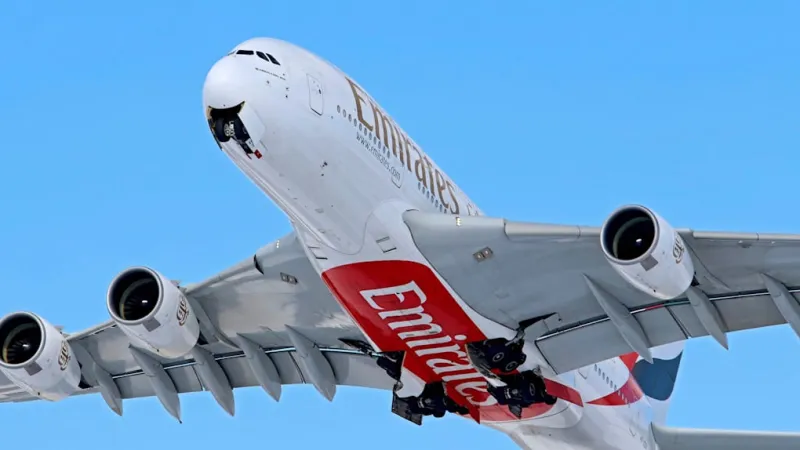
TOULOUSE, France – The European Union Aviation Safety Agency (EASA) has issued an urgent directive for comprehensive inspections of specific Airbus A380 aircraft following the discovery of structural cracks in their wing components. The mandate, which affects five machines immediately, comes after routine maintenance checks conducted by inspectors revealed the integrity issues, prompting significant concern within the global aviation industry.
The directive from EASA underscores the critical importance of maintaining the structural soundness of large commercial aircraft. It requires operators of the affected Airbus A380s to conduct detailed examinations without delay, prioritizing the safety of passengers and crew above all else.
Airbus, the manufacturer of the superjumbo jet, confirmed awareness of the issue and stated its full cooperation with EASA and affected airlines. The company emphasized its commitment to the highest safety standards, initiating its own internal investigations and providing technical support for the mandated inspections.
These cracks, identified during a standard operational review, are located in critical areas of the wing structure. While the exact implications for flight safety are still being assessed, the immediate response from regulatory bodies highlights the potential severity of the findings.
The discovery triggers a complex logistical challenge for airlines operating the double-deck aircraft. Grounding even a small number of these high-capacity planes can lead to significant disruptions in flight schedules, necessitating re-routing of passengers and potential financial repercussions.
This incident is not an isolated event in the history of the Airbus A380. The aircraft type has faced previous structural integrity concerns, including a significant issue with wing rib feet cracks identified in 2012, which led to a widespread inspection program and subsequent repairs. Such occurrences, while rare, are a testament to the rigorous and ongoing safety protocols in aviation.
The Airbus A380, known for its immense size and capacity, represents a pinnacle of modern aerospace engineering. Its operational lifespan demands continuous vigilance and adherence to stringent maintenance schedules, which include periodic, in-depth structural assessments.
EASA's airworthiness directive specifies the exact procedures and timelines for these critical inspections. Airlines must comply promptly, utilizing advanced diagnostic techniques, potentially including eddy current and ultrasonic testing, to identify and evaluate any further signs of fatigue or damage.
The global network of MRO (Maintenance, Repair, and Overhaul) facilities will be crucial in executing these inspections and any necessary repairs. The collective effort across manufacturers, regulators, and operators is fundamental to maintaining public confidence in air travel.
While the industry awaits further details on the extent of the cracking and the subsequent repair protocols, the swift action by EASA demonstrates the proactive measures taken to uphold aviation safety. The incident reinforces that even the most robust aircraft designs require constant oversight throughout their service life.
Operators are now mobilizing their technical teams to comply with the directive, aiming to minimize operational impact while ensuring every aircraft meets the highest safety benchmarks before returning to service. This comprehensive approach is paramount for the continued safe operation of the Airbus A380 fleet worldwide.